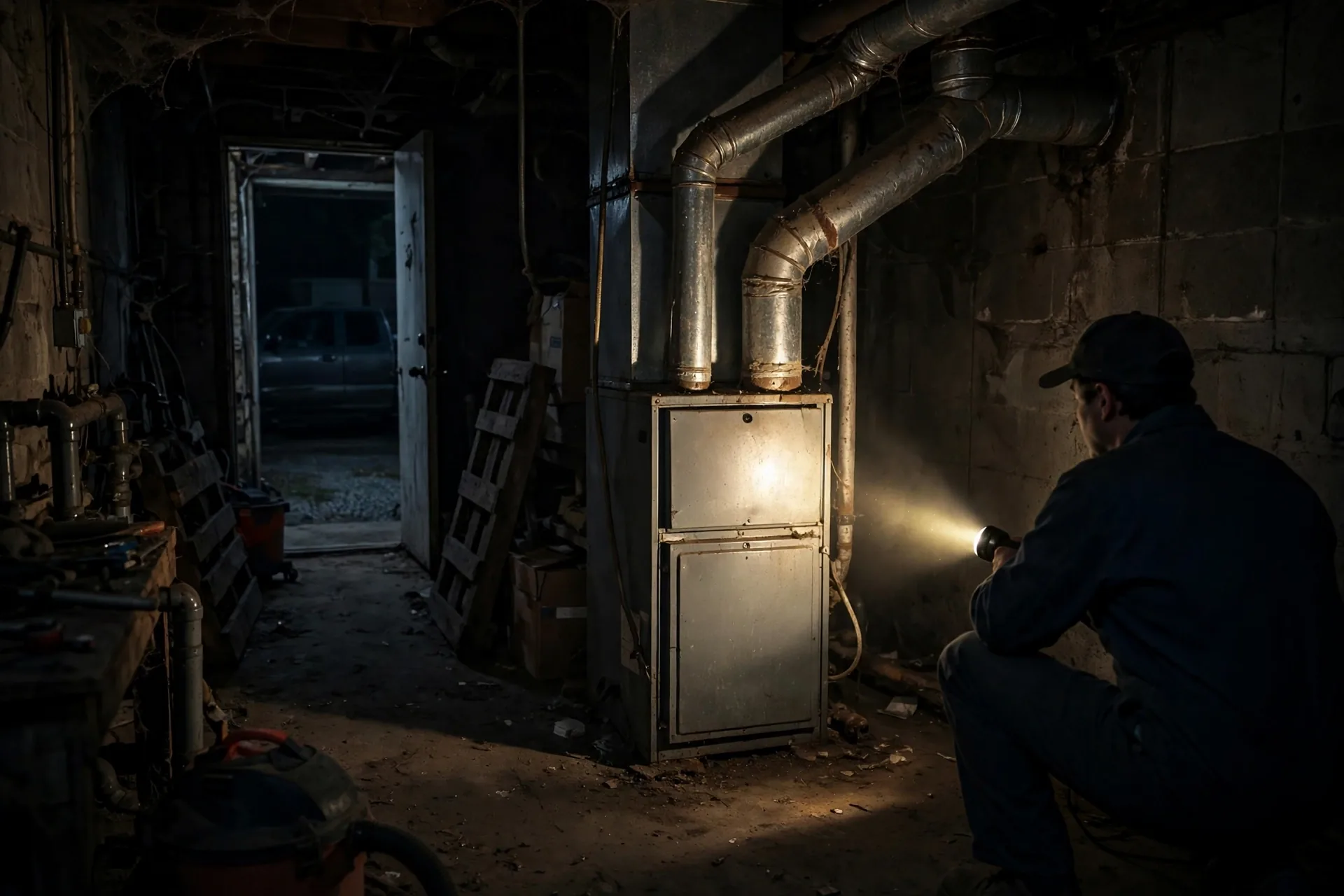
Furnace Not Turning On? Checks Before You Call in Delaware
Before calling for service, check the thermostat setting and batteries, the furnace power switch, the breaker …
Learn more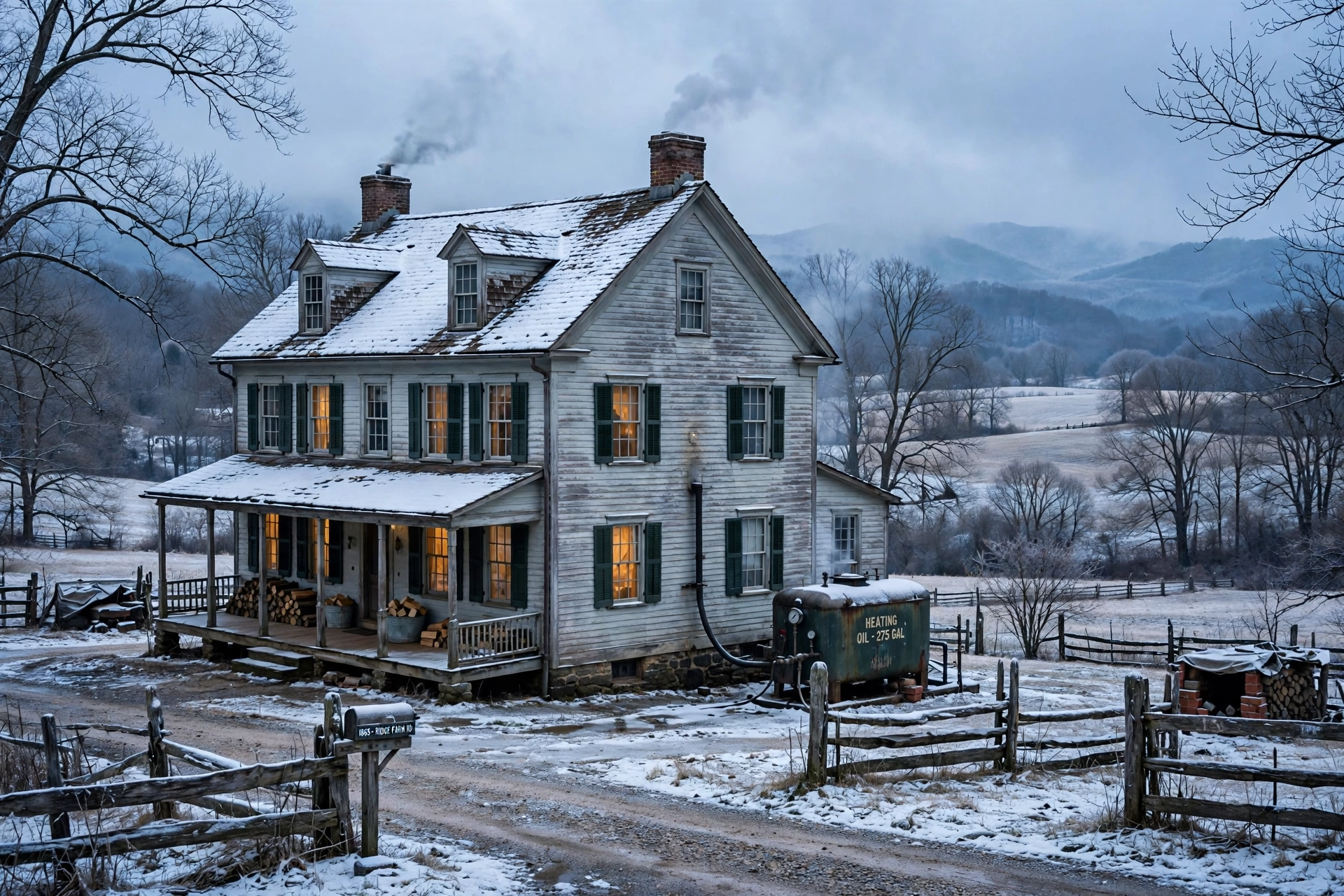
Delaware has many older homes, from historic rowhouses to mid-century ranches and farmhouses, and their furnaces face challenges that newer homes do not. Drafty windows, thin insulation, aging ductwork, and rooms added over decades all ask more of a heating system, and winter exposes every weakness at once.
Preparing an older home for winter is therefore a two-part job. The furnace itself needs its usual fall service, but the house around it needs attention too. A perfectly serviced furnace will still struggle in a home losing heat through every gap, and a drafty home will still feel cold even with a new system if the envelope is ignored.
This guide covers both halves: the furnace preparation that matters most in older homes, and the house-level issues, such as drafts, ducts, and insulation, that determine whether that furnace can keep the home comfortable through a Delaware winter.
Drafts are the defining heating challenge of older homes. Windows, doors, and gaps around pipes and wiring let cold air in and warm air out, forcing the furnace to run longer and more often to hold temperature. A simple hand test on a windy day can reveal the worst offenders: hold your hand near window frames, door edges, and outlets on exterior walls and feel for moving air.
Old ductwork compounds the problem. Ducts in older homes may be leaky, poorly insulated, or routed through unheated attics and crawl spaces, losing heat before it reaches rooms. Sealing accessible duct joints and insulating runs through cold spaces are among the highest-value improvements an older-home owner can make, and a technician can test for leaks hidden behind walls and floors.
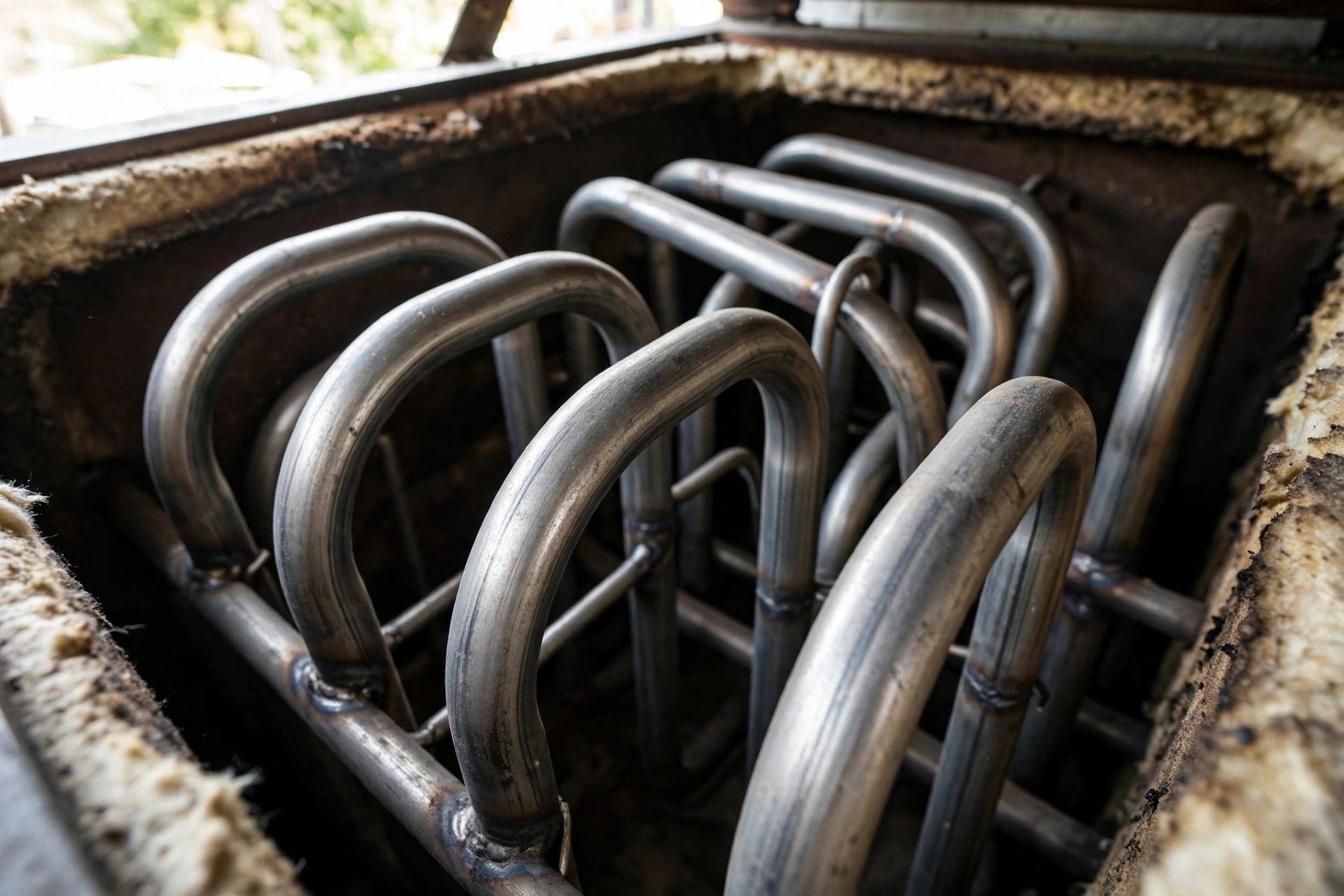
Many older homes have rooms that were never designed for modern heating: enclosed porches, finished attics, additions built decades after the original furnace, and rooms created by dividing larger spaces. These rooms often receive too little ductwork, or none at all, and they become the cold spots that frustrate owners every winter.
Before blaming the furnace for a cold addition, check whether that room actually receives adequate airflow. A room with a single small vent, or with a vent blocked by furniture, will stay cold no matter how hard the furnace works. Solutions range from duct adjustments to supplemental heating for a single room, and a technician can advise which approach fits the room and the system.
Older homes sometimes pair an aging furnace with aging infrastructure. Electrical panels may be near capacity, wiring may predate modern standards, and venting may follow older routes that no longer meet current practice. These are not reasons to panic, but they are reasons to have a professional look at the whole setup rather than just the furnace box.
Venting deserves particular attention. Older chimneys and flues can deteriorate, and a furnace vented into a damaged chimney risks allowing combustion gases into the home. During fall service, ask the technician to inspect the venting path, not just the furnace itself. Any soot marks, rust, or damage near the vent connection should be investigated promptly.
Insulation in older homes is often thin, settled, or missing in key places, especially attics and crawl spaces. A poorly insulated attic lets heat escape straight through the roof, while an uninsulated crawl space chills floors and the ductwork running beneath them. Both force the furnace to run longer, wear faster, and still leave rooms feeling cool.
Attic insulation is usually the best first investment, followed by air sealing around penetrations where pipes and wires pass through walls and ceilings. These improvements reduce furnace workload across the whole winter, and they often improve comfort more noticeably than a furnace upgrade alone. Think of insulation as part of the heating system, not separate from it.
A pre-winter walkthrough ties all of this together. Walk the house room by room with the heat running, feeling for drafts, checking that every vent delivers warm air, and noting rooms that lag behind. Check the basement or crawl space for dampness, look at the furnace area for rust or clutter, and test the thermostat with a full heating cycle before cold weather arrives.
Write down what you find, room by room, and share the list with your technician at the fall service visit. A room-by-room list turns a general complaint about a cold house into a specific set of problems a technician can address, and it helps prioritize improvements when the budget does not cover everything at once.
Older-home owners sometimes assume comfort requires a full renovation, but smaller upgrades often deliver most of the benefit. Weatherstripping doors and windows, sealing duct joints, adding attic insulation, upgrading the thermostat, and replacing a struggling furnace with a correctly sized model can each make a real difference, and they can be spread across seasons as budget allows.
Start with the items that address the worst symptoms first: the coldest rooms, the draftiest windows, the leakiest ducts. Each improvement reduces the load on the furnace, which extends its life and improves comfort at the same time. An older home need not be a cold home, and steady, targeted upgrades are how most older Delaware homes get there.
Older homes reward a collaborative approach with a technician, because the right plan depends on the house as much as the furnace. Share your room-by-room walkthrough notes, mention any renovations or additions and roughly when they happened, and point out the rooms that have always been cold and the ones that changed recently. That history helps a technician distinguish a furnace problem from a house problem, and the distinction matters, since each calls for a different fix.
Ask the technician to prioritize honestly. Not every improvement needs to happen at once, and a good plan sequences work by impact: the duct leak starving a bedroom, the attic insulation gap chilling the whole upstairs, the aging part most likely to fail this winter. A phased plan spread across seasons is often the most realistic path for an older home, and it keeps each step affordable in effort as well as disruption. The goal is steady progress toward a warm, reliable home, not a single overwhelming project.
Budgeting for an older home works best when it follows the same phased logic. Instead of treating every recommendation as urgent, sort improvements into what protects safety, what prevents a winter breakdown, and what improves comfort. Safety items, such as venting damage or a cracked heat exchanger, come first without debate. Breakdown prevention, such as a failing blower or a badly clogged duct, comes next. Comfort items, such as an extra vent for a cold room or a thermostat upgrade, can wait for a convenient season. That ordering keeps spending focused on what matters most, and it turns an intimidating list into a manageable plan that actually gets done.
Finally, keep records of what was done and when. A simple folder, digital or paper, holding service visit notes, filter sizes, and a list of completed improvements makes every future visit more productive. The next technician starts informed instead of guessing, and you can see at a glance which parts of the plan are finished and which remain. Older homes reward owners who keep track, because the house itself changes slowly and the record is what turns scattered repairs into a coherent story of care.
Read the guide, then describe your furnace problem and we will help arrange the next step.
Before calling for service, check the thermostat setting and batteries, the furnace power switch, the breaker …
Learn more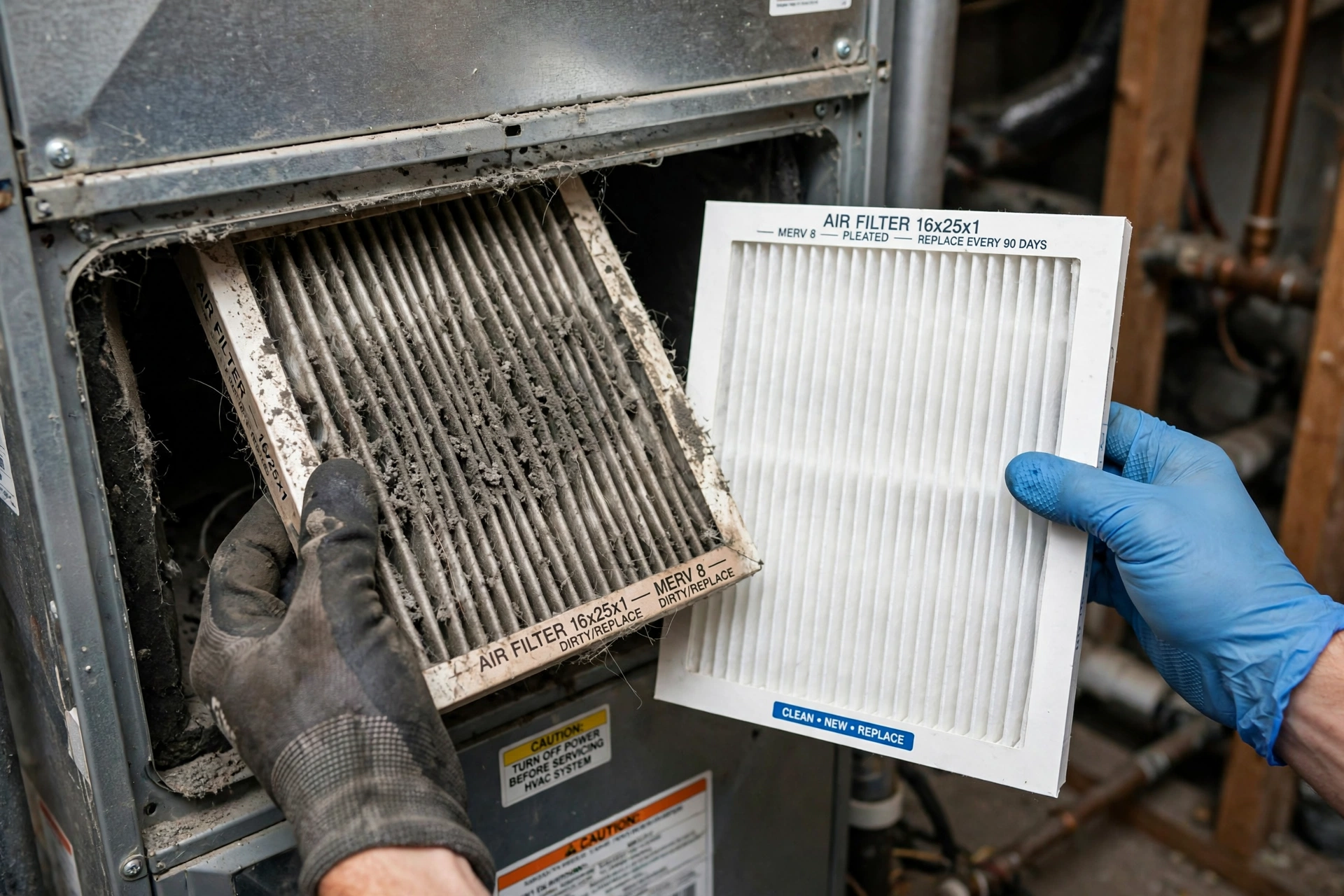
Fall furnace maintenance means changing the filter, testing the heating cycle before cold weather arrives, cle…
Learn more
Coastal salt air accelerates rust and corrosion on furnace metal parts, and year-round Delaware humidity adds …
Learn more