Emergency Furnace Repair
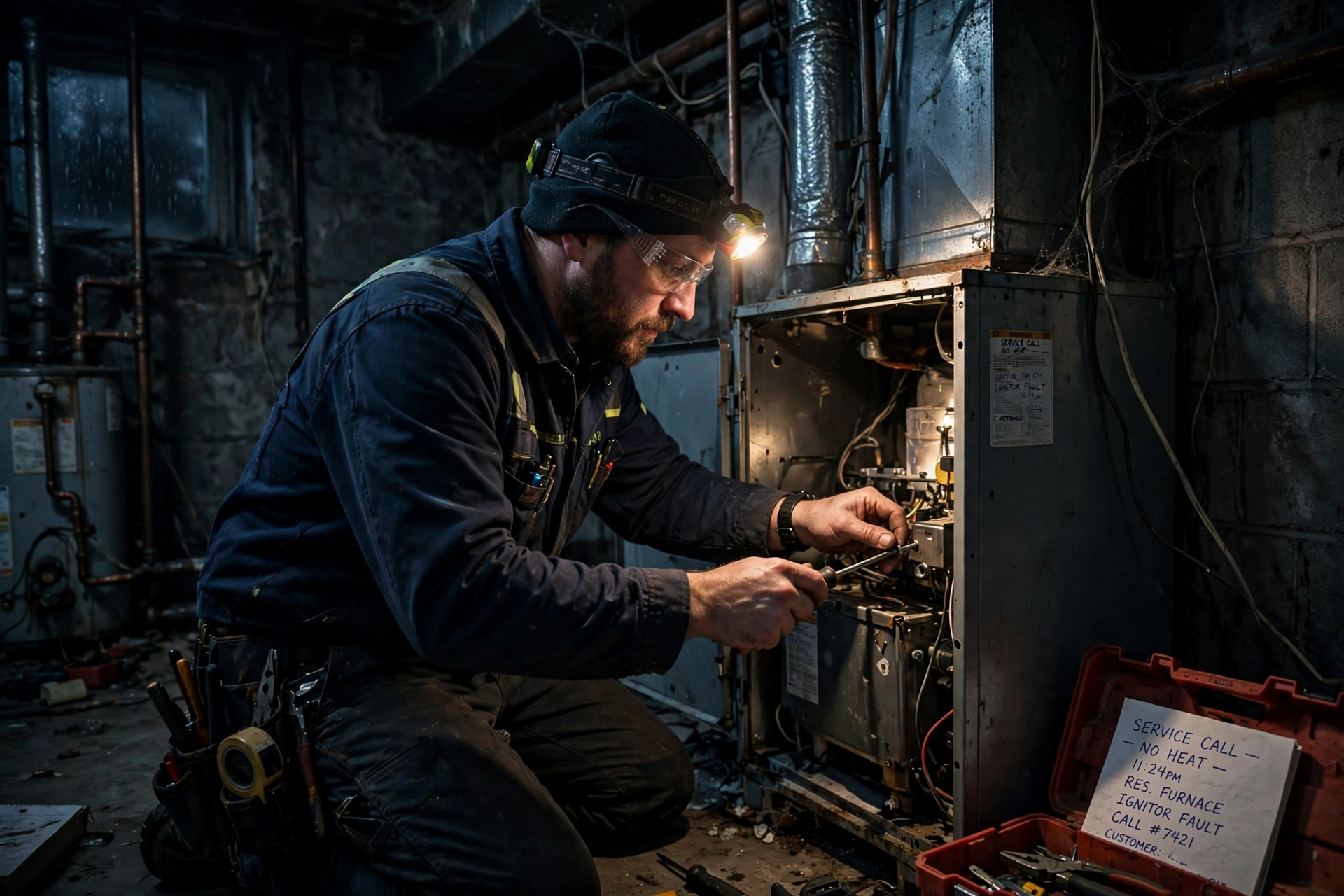
Emergency furnace repair covers a furnace that has stopped heating, is making unsafe sounds, or is showing sig…
Learn moreA furnace tune-up is the least dramatic heating service and also one of the most valuable. Nothing is broken when the technician arrives, nothing is urgent, and the visit ends with the same furnace you had before, only cleaner, tested, and better understood. That quiet outcome is the point. Maintenance finds the small problems that become breakdowns, while the weather is still mild and repairs can be made without urgency.
Delaware furnaces work hard through winter and then sit through humid summers, coastal salt air, and freeze and thaw cycles that affect ductwork, venting, and components even when the heat is off. Dust accumulates, sensors coat over, motors wear, and connections loosen, all gradually and invisibly. A tune-up interrupts that slow decline once a year, restoring the system toward the condition it was designed to run in.
This page explains what a thorough tune-up includes, why timing matters in Delaware, what maintenance can and cannot prevent, and how the habit of annual service pays off over the life of a furnace. Whether your system is new or has served for many seasons, a tune-up before heating season is the simplest step toward a winter without heating surprises.
A thorough tune-up begins with inspection: the heat exchanger, burners, ignition system, flame sensor, blower, motor, belts where fitted, electrical connections, and safety controls are all examined for wear, corrosion, dust, and damage. The technician is looking for the early signs of failure, such as a cracked or corroded component, a sensor coated in residue, or a motor that is beginning to strain, because those findings determine what needs attention before winter.
Cleaning follows inspection. Burners, flame sensors, blower components, and accessible internal surfaces are cleaned so combustion stays steady and airflow stays strong. Filters are checked and replaced where needed, and the area around the furnace is noted for clearance and dryness. Cleaning is not cosmetic work. Dust on a flame sensor can shut a furnace down, dust on a blower wheel reduces airflow, and debris in a burner area disturbs the flame.
Testing completes the visit. The technician runs the furnace through full heating cycles, checks temperature rise, airflow, ignition timing, safety control response, venting, and thermostat communication. Any part that fails a test, or shows wear likely to fail soon, is reported plainly with a recommendation, so you can approve repairs while the system is still running rather than after it has stopped.
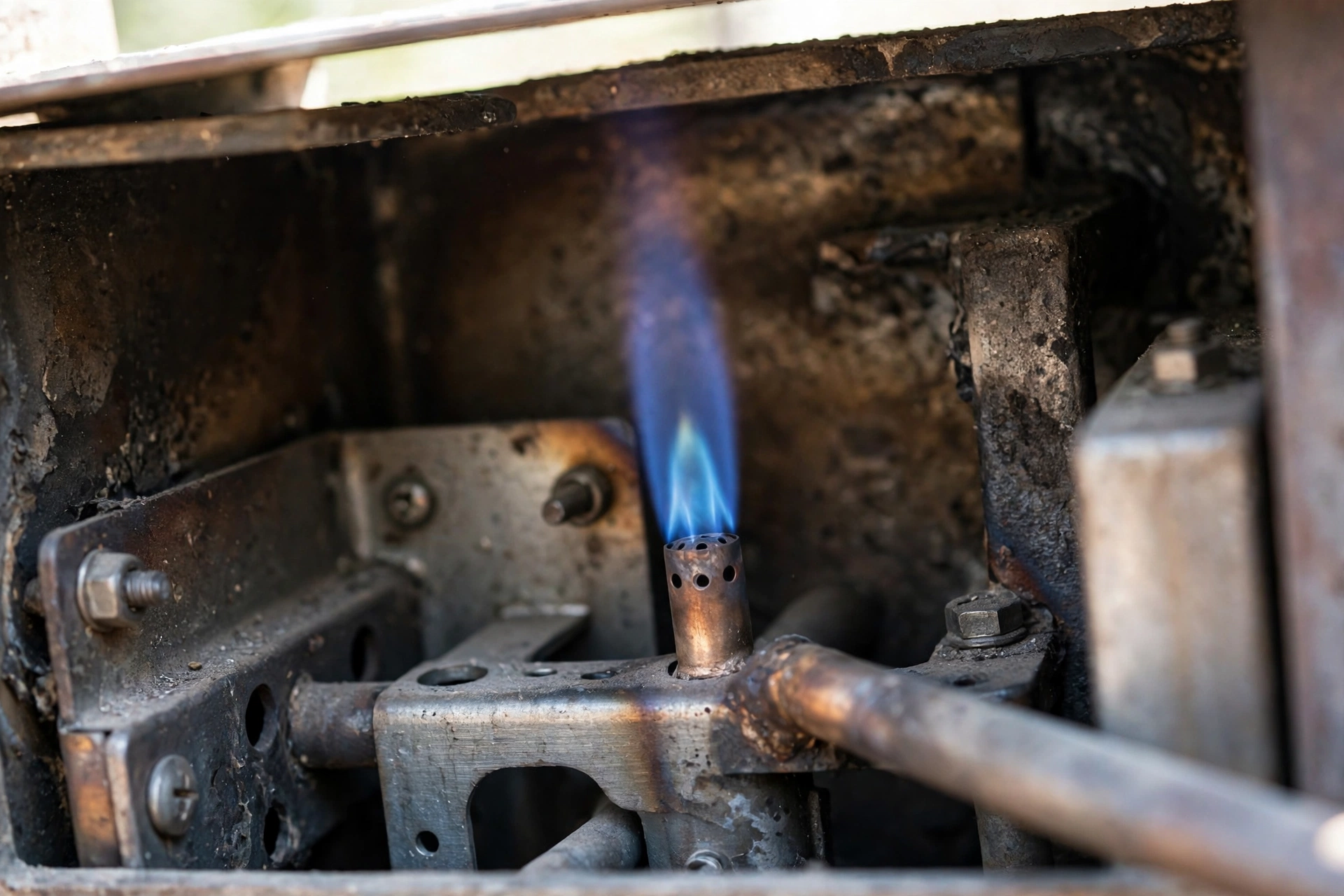
Early autumn is the natural tune-up season in Delaware because it sits between the demands of summer and winter. The furnace has rested through the warm months, any summer humidity or dust buildup is visible, and there is still time to repair a worn part before the first cold snap. Scheduling in autumn also avoids the midwinter rush, when technicians are responding to breakdowns and routine appointments take longer to arrange.
Autumn timing also gives the tune-up a diagnostic advantage. A furnace tested in mild weather can be run through its cycles without the pressure of a cold house waiting on the result, and the technician can take time to check airflow in every room and verify thermostat behavior across a full cycle. Problems found in autumn are simply easier to fix well than the same problems found during a January emergency.
If autumn has already passed, a tune-up is still worthwhile at any point in the season. A midwinter tune-up can catch a developing fault before it becomes a failure, and a spring tune-up after heating season can address wear while it is fresh and plan repairs before the next winter. The best tune-up is the one that actually happens, and the second best time is whenever you can schedule it.
Safety testing is the most important part of a tune-up, even though it produces no visible improvement in comfort. The technician checks that safety controls shut the furnace down correctly when they should, that venting carries combustion gases out of the home properly, that gas connections are sound where fitted, and that the heat exchanger shows no cracks or corrosion that could allow combustion gases into the air supply.
Carbon monoxide safety deserves particular attention. A furnace with a compromised heat exchanger or poor venting can introduce carbon monoxide into the home without any obvious smell or symptom, which is why inspection and testing matter more than reassurance. The technician should also confirm that carbon monoxide detectors in the home are present and functioning, and advise on placement if any area of the home lacks coverage.
Electrical safety is checked alongside combustion safety. Loose connections, damaged wiring, and failing capacitors can overheat or fail suddenly, and a tune-up catches those conditions before they cause a shutdown or a hazard. Safety testing is not an upsell or an extra. It is the core reason maintenance exists, and a tune-up that skips it is incomplete.
Comfort improves after maintenance in ways homeowners often notice without being told why. Clean burners produce a steadier flame, a clean blower moves air more effectively, and correct airflow means rooms warm at similar rates instead of some racing ahead while others lag. A furnace that has been cleaned and tested simply heats more evenly, because every part of the heating chain is working as designed rather than compensating for a dirty or worn link.
Airflow is where maintenance pays off most visibly. A clogged filter, a dusty blower wheel, or a blocked return can reduce airflow enough to overheat the furnace, trigger safety shutdowns, and leave distant rooms cold. A tune-up restores airflow to its intended level, and the technician can also spot duct problems, such as disconnected or crushed sections, that restrict delivery to particular rooms and recommend repairs for them.
Thermostat calibration is another comfort factor checked during maintenance. A thermostat that reads inaccurately, whether from dust, aging sensors, or poor placement, drives the furnace to the wrong target and produces the familiar pattern of a home that feels too hot and then too cold. Verifying thermostat accuracy during a tune-up ensures the furnace responds to the real temperature of the home, not a distorted reading.
Honesty about maintenance matters. A tune-up reduces breakdown risk substantially, but it cannot make an aging furnace new again, reverse corrosion, or guarantee that no part will ever fail. Components wear on their own schedules, and a part that tests well in autumn can still fail in February. Maintenance shifts the odds strongly in your favor, but it is not a warranty against all failure.
Maintenance also cannot fix structural problems on its own. Undersized ductwork, a furnace sized wrongly for the home, poor insulation, or a thermostat in a bad location will still limit comfort even after a perfect tune-up. A good technician will distinguish maintenance findings from structural issues and say so plainly, so you can address the real limit on comfort rather than expecting another tune-up to solve it.
Understanding those limits helps you use maintenance well. Think of a tune-up as the foundation of reliability, not the whole building. Combined with prompt repairs when wear is found, sensible filter habits between visits, and honest conversations about replacement when a system ages out, maintenance is what keeps a furnace dependable for as long as it reasonably can be.
The easiest maintenance habit is a fixed annual rhythm: a tune-up every autumn, filter changes on a regular schedule between visits, and a quick listen for new sounds at the start of heating season. Tying the tune-up to a seasonal marker, such as the first cool week of autumn or the start of the school year, makes it automatic rather than something to remember under pressure.
Keep a simple service record, noting the date of each tune-up, what was cleaned or replaced, and any wear the technician flagged for watching. That record turns isolated visits into a history, and a history reveals patterns: a motor wearing over two seasons, a sensor needing frequent cleaning, or a furnace that is steadily accumulating findings. Patterns support better decisions than any single visit can.
Finally, treat maintenance findings as information, not pressure. A technician who reports a worn part is giving you time to plan, and planning is the whole advantage of maintenance. Approve repairs that address real wear, ask questions about anything unclear, and use the quiet autumn visit to keep winter uneventful. That is the real product of a tune-up: a winter you do not have to think about your furnace at all.
Describe what your system is doing and we will help arrange the next step.
Once a year, ideally in early autumn before heating season. Annual service catches wear, dirt, and safety issues while repairs can still be planned calmly.
The heat exchanger, burners, ignition, flame sensor, blower, electrical connections, safety controls, venting, filter, and thermostat are inspected, cleaned, and tested through full heating cycles.
No, but it substantially reduces the risk by catching wear and airflow problems early. Parts can still fail, which is why prompt repair of flagged wear matters too.
Yes. Filter changes on a regular schedule between visits protect airflow, prevent overheating, and reduce strain on the blower. Your technician can advise a schedule for your home.
Yes, especially for a newer furnace. Early maintenance preserves the condition the system was installed in and catches installation or early wear issues before they affect reliability.
You can, but wear and dirt accumulate invisibly, and a skipped year often means two years of buildup at the next visit. A steady annual rhythm is the safer habit.
Not seeing your question? Request service and describe what your system is doing.
Book a Furnace Tune-UpEmergency furnace repair covers a furnace that has stopped heating, is making unsafe sounds, or is showing sig…
Learn more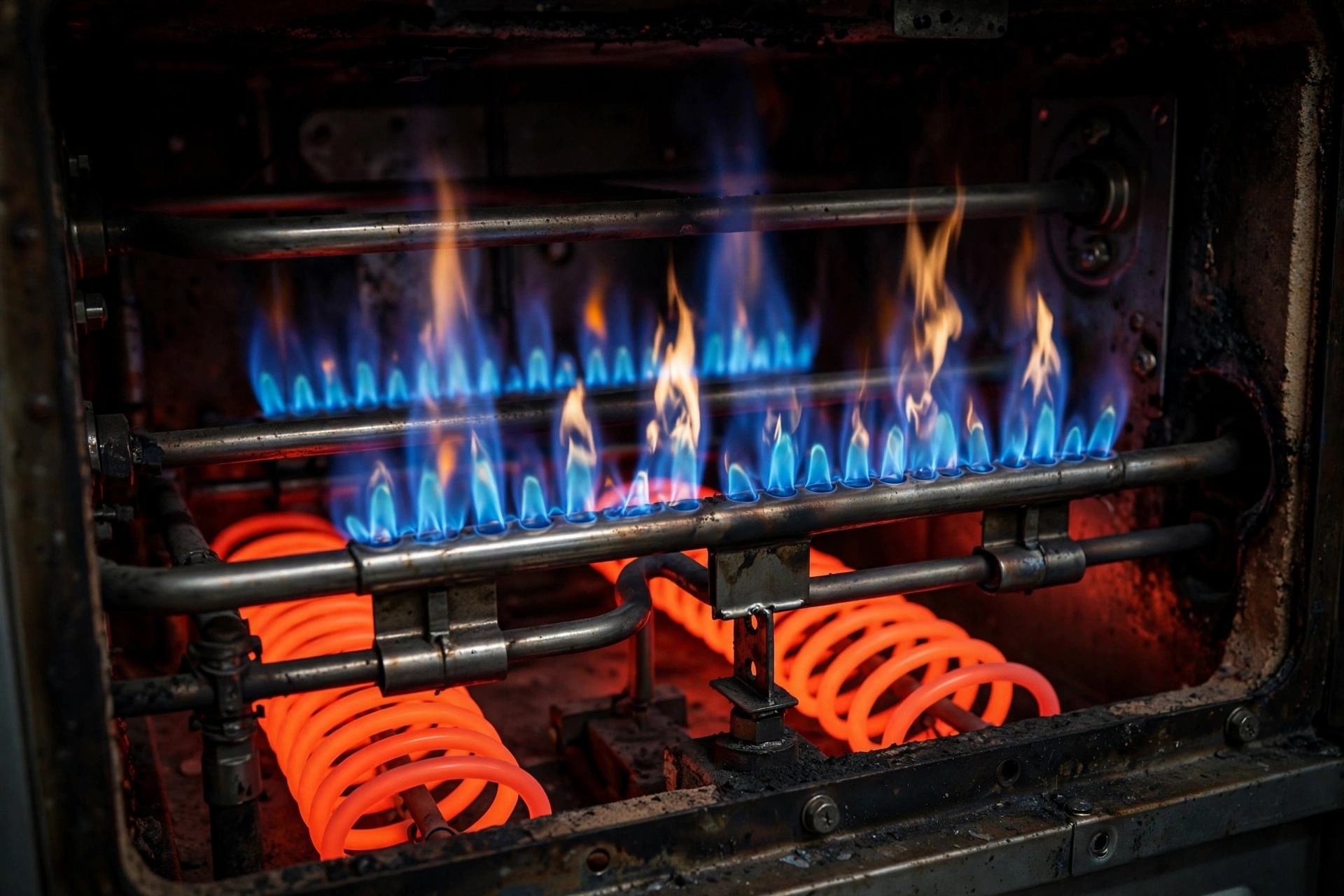
Furnace repair restores safe, even heat by diagnosing the failed part or control, explaining the fault in plai…
Learn more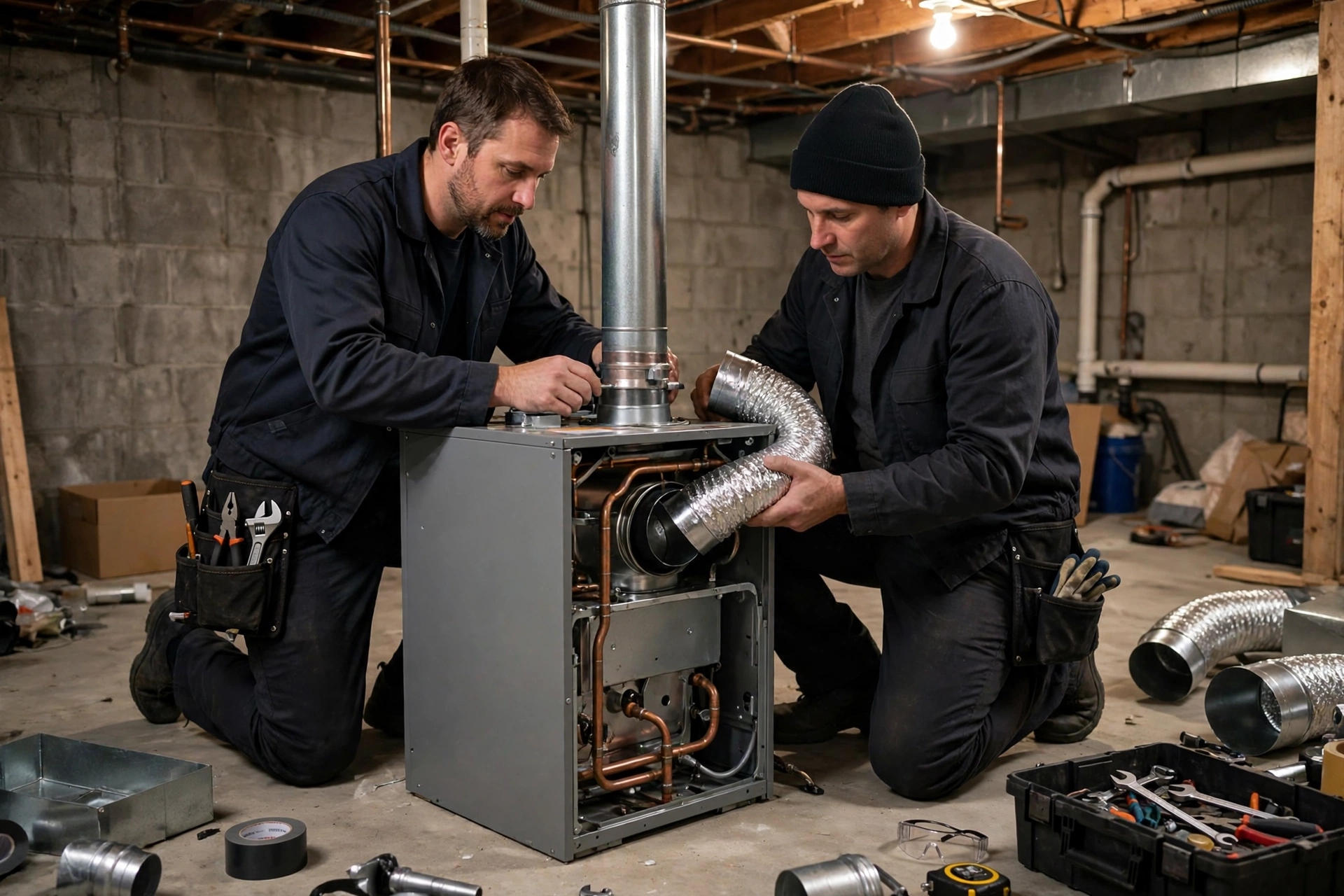
Furnace installation means choosing a system sized to your home and ductwork, removing the old unit safely, an…
Learn more