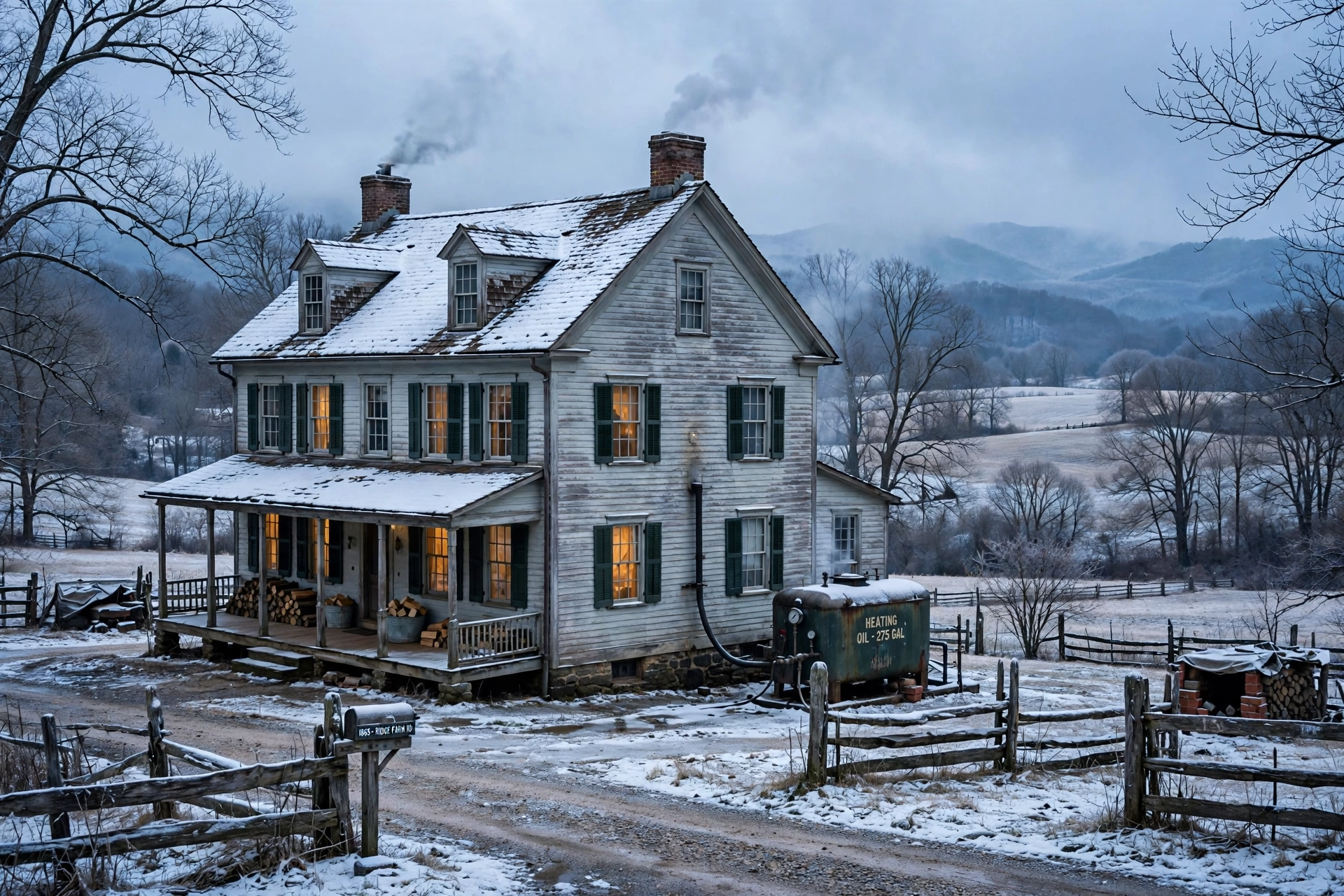
Preparing an Older Delaware Homes Furnace for Winter
Preparing an older Delaware home for winter means addressing drafts, aging ductwork, and insulation gaps along…
Learn more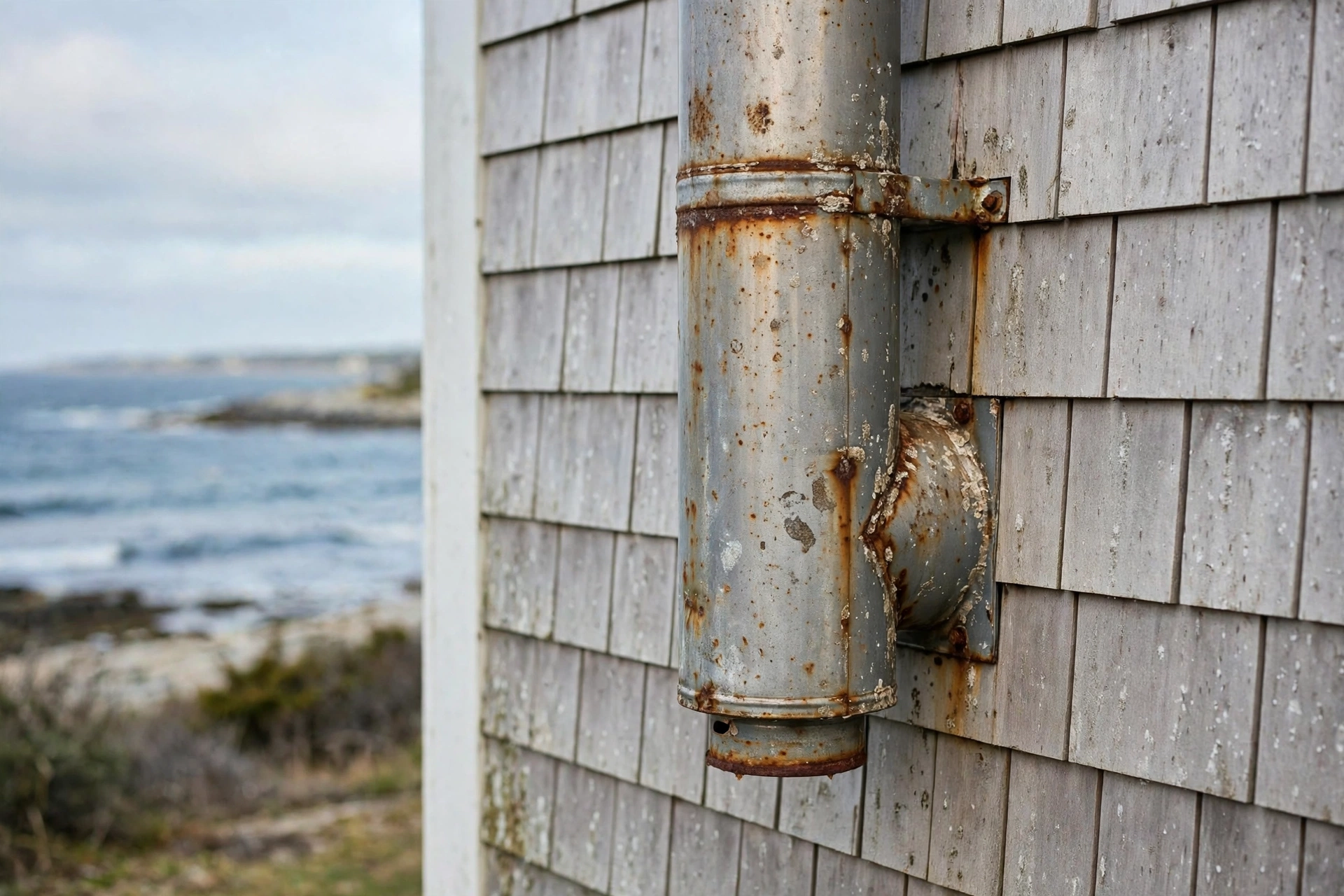
Living near the Delaware coast has obvious charms, and a hidden cost for heating equipment. Salt air, carried inland by coastal breezes, settles on metal surfaces and accelerates rust and corrosion. Furnaces in coastal homes therefore age faster than identical systems farther inland, even when both receive the same care.
Salt is not the only coastal pressure. Delaware humidity stays high through much of the year, and humid air in basements, crawl spaces, and garages feeds corrosion and dampness around heating equipment. Together, salt and moisture form a one-two combination that shortens component life and raises the odds of midwinter breakdowns.
This guide explains how coastal air damages furnaces, which parts suffer first, the warning signs coastal homeowners should watch for, and the protective steps that genuinely help. Coastal furnace ownership is not a lost cause, but it does reward closer attention than inland ownership.
Salt accelerates a chemical process that eats metal. When salty moisture settles on furnace cabinets, burners, heat exchangers, and electrical connections, it speeds the rusting that would happen slowly in dry air. Over time, rust thins metal, weakens joints, and roughens surfaces that should stay smooth for safe combustion and airflow.
The effect is strongest on homes closest to the shore and on equipment exposed to outdoor air, but no coastal home is fully immune. Salt travels on breezes and through ventilation, so even a furnace tucked in a basement feels coastal influence over years of exposure. The damage is gradual, which makes it easy to miss until a part fails.
While salt gets the attention, humidity does much of the daily damage. Delaware summers are humid, and moisture lingers in lower levels of homes long after summer ends. Damp air around a furnace encourages rust on the cabinet and internal parts, promotes musty smells in ductwork, and can damage electrical connections over time.
Homes with damp basements or crawl spaces face the worst of it. A furnace sitting in a persistently damp space is effectively aging in a corrosive bath, and its lifespan reflects that. Controlling moisture in the furnace area, through drainage, ventilation, or dehumidification, protects the heating system as surely as it protects the house structure.
Coastal exposure hits outdoor equipment hardest, since it sits directly in salt air and weather. Outdoor components connected to a heating system, such as heat pump units or air conditioner condensers paired with a furnace, show corrosion first on coils, fins, and cabinets. Damaged fins reduce efficiency, and corroded cabinets eventually expose internal parts to the elements.
Keeping outdoor units clear of debris, rinsing salt buildup gently where the manufacturer allows, and keeping plants and stored items away from the unit all help. Never use harsh chemicals or high-pressure water on coils, since that can cause more damage than the salt. A technician can advise on safe cleaning for your specific equipment during routine service.
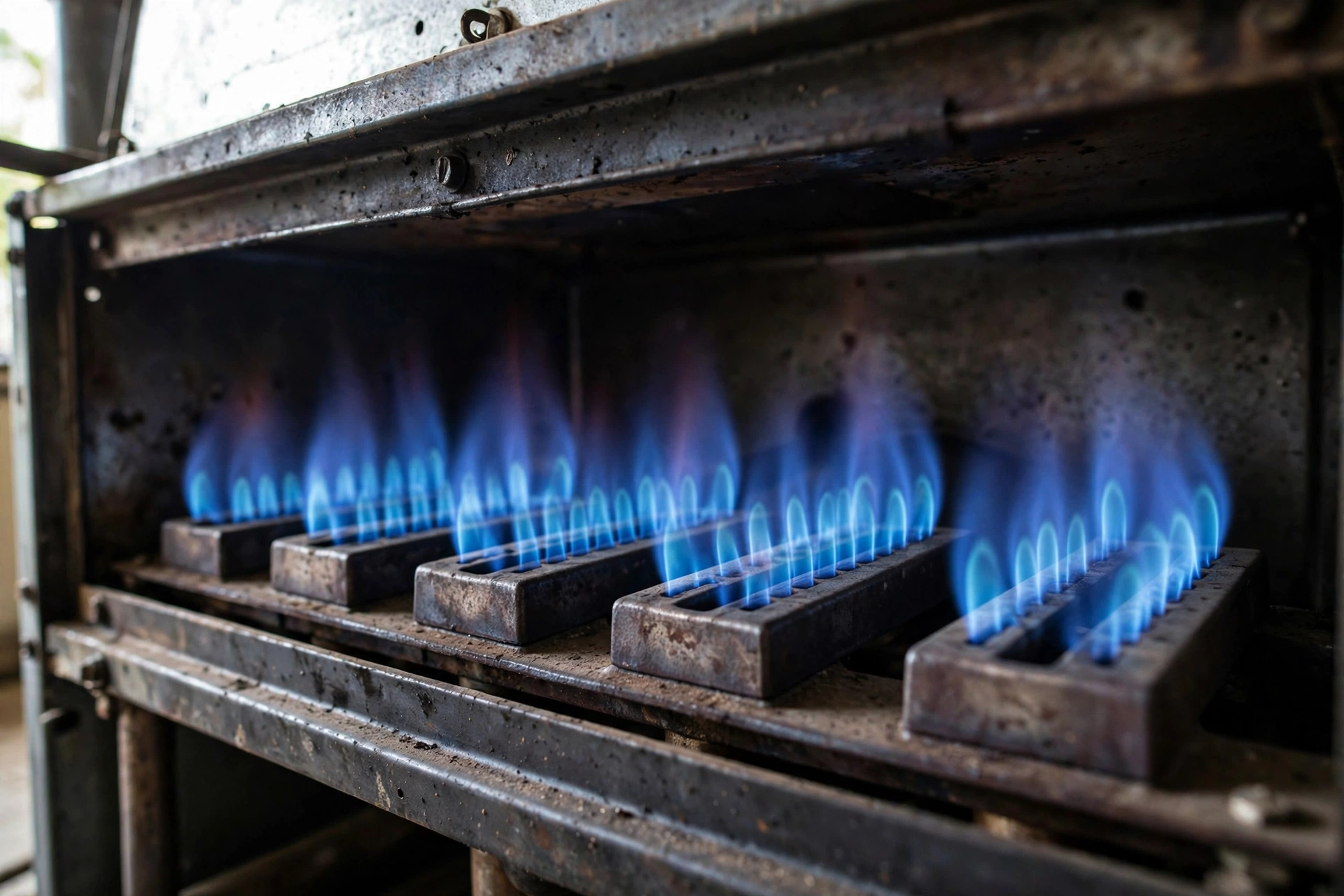
Indoor corrosion signs are worth learning, since catching them early can save a furnace. Look for rust staining around the furnace cabinet, on visible duct joints, and near the vent connection. Listen for changes in burner sound, and watch the flame through a viewing window if your furnace has one: a flame that looks yellow or flickers unevenly can signal burner or venting trouble linked to corrosion.
Other signs include musty smells when the heat runs, frequent safety shutdowns, and parts that need replacement more often than expected. Any of these in a coastal home deserves a service call sooner rather than later, since corrosion-driven failures tend to cascade once they start.
Several practical steps slow coastal wear. Control moisture in the furnace area first, since dampness multiplies salt damage. Keep the furnace area clean and dry, change filters on schedule so dust and salt-laden particles do not accumulate inside the system, and keep outdoor equipment clear and gently cleaned.
Protective coatings and covers exist for some outdoor equipment, and a technician can advise whether they suit your system. Avoid covering a furnace or outdoor unit with airtight materials that trap moisture, since trapped dampness can do more harm than the salt it was meant to block. Ventilation and dryness beat sealing things up tight.
Coastal homes benefit from more frequent professional attention than inland homes. Annual service before heating season is the minimum, and coastal homeowners should treat it as essential rather than optional. During service, ask the technician to pay special attention to corrosion on the heat exchanger, burners, and electrical connections, and to flag any part that is deteriorating faster than expected.
Between visits, your own checks matter more too: a fall filter change, a look for rust, a listen for new sounds, and a note of any smell or performance change. Coastal furnace ownership rewards vigilance, and the payoff is a system that lasts closer to its inland lifespan instead of failing years early.
Coastal Delaware has many rental properties and second homes, and those properties face a special version of salt air wear. A furnace in a home that sits empty for weeks faces damp, uncirculated air that accelerates corrosion, and problems that would be noticed quickly in an occupied home can develop unnoticed for months. A small leak, a damp corner, or a failing part may wait until the next visit to be discovered, by which time the damage has grown.
Owners of intermittently occupied coastal homes should arrange checks before arrival and after departure, keep the home at a protective temperature rather than shutting heat off entirely in winter, and ensure someone local can check the property after coastal storms. A furnace that runs occasionally stays drier and healthier than one left cold and damp for a season, and a quick professional visit before the winter rental season can catch corrosion-driven failures while they are still small repairs.
Storm exposure deserves its own note for coastal owners. A coastal storm can drive salt spray deep into outdoor equipment, push moisture into crawl spaces, and leave debris packed against vents and outdoor units. After a storm passes and it is safe to go outside, a walk around the property to clear debris from vents and outdoor equipment, and a look inside for new dampness near the furnace, can prevent a minor storm effect from becoming a winter breakdown. If the power went out during the storm, check that the furnace restarts normally once power returns, and watch the first heating cycle for unusual sounds or smells. Storms are when coastal systems take their hardest hits, and a prompt check afterward is cheap insurance against a failure weeks later.
It is also worth remembering that coastal wear is cumulative rather than sudden. No single season of salt air ruins a furnace, but season after season of exposure, dampness, and deferred maintenance adds up to shortened life. That is actually encouraging news, because it means steady, ordinary care has real power: each filter change, each fall inspection, and each cleared vent pushes back against the same slow process. Coastal homeowners who treat maintenance as routine rather than occasional tend to get far more years from their systems than neighbors who wait for a breakdown to act.
Read the guide, then describe your furnace problem and we will help arrange the next step.
Preparing an older Delaware home for winter means addressing drafts, aging ductwork, and insulation gaps along…
Learn more
A well-maintained furnace in Delaware can serve a home for many years, but lifespan depends heavily on regular…
Learn more
A brief dusty burning smell when the furnace first runs in fall is usually harmless dust burning off, but a pe…
Learn more