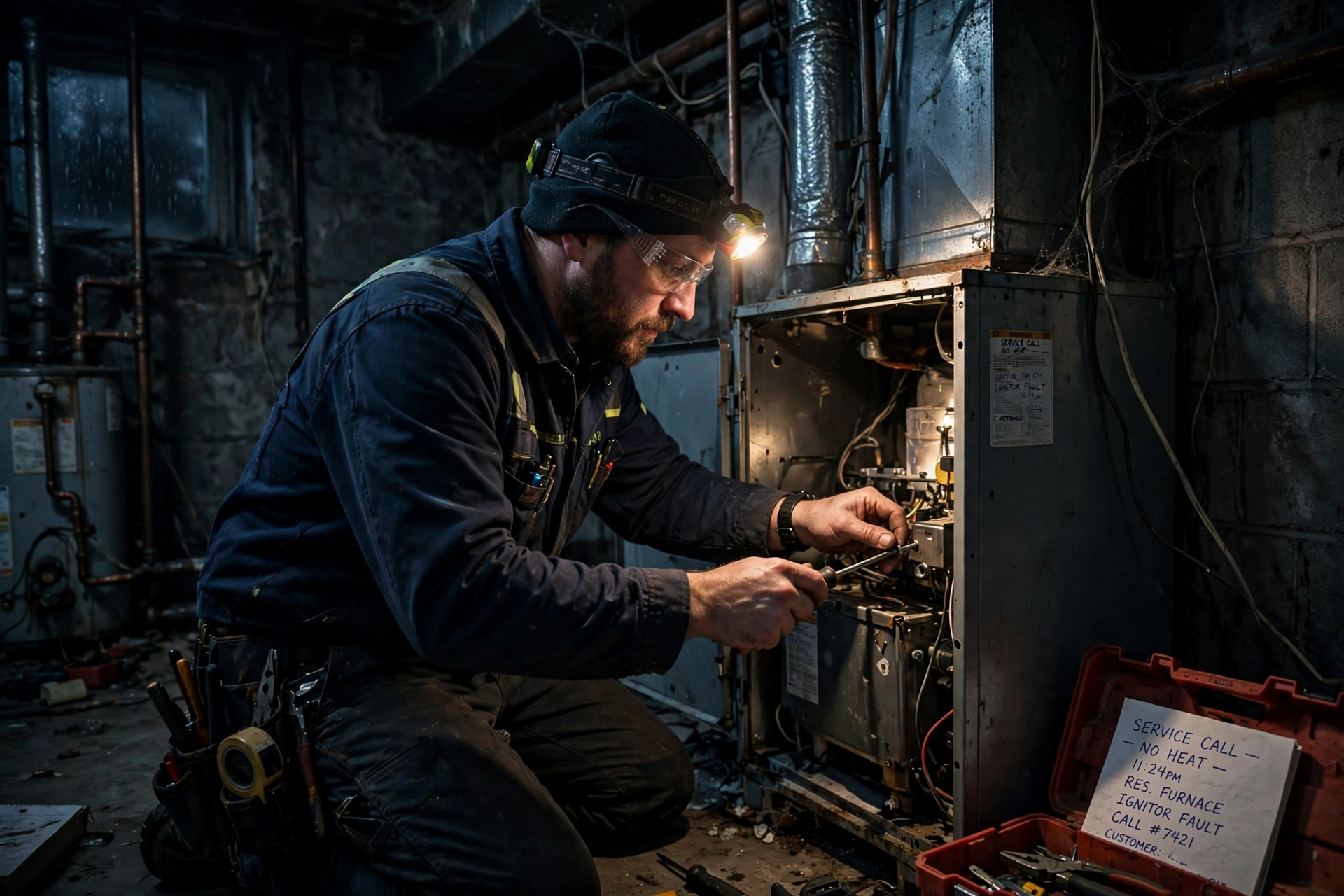
Emergency Furnace Repair
Emergency furnace repair covers a furnace that has stopped heating, is making unsafe sounds, or is showing sig…
Learn moreInstalling a new furnace is one of the most consequential home decisions a Delaware homeowner makes, because the system will shape comfort, reliability, and heating bills for many winters to come. The best installation starts long before any equipment arrives, with careful attention to the size of the home, the condition of the ductwork, the way rooms are actually used, and the quirks of Delaware weather, from humid summers that tax ventilation to cold snaps that test a heating system at full load.
A common mistake is treating furnace installation as a simple swap, replacing an old unit with a new one of the same size. Homes change over time: additions are built, insulation is improved, windows are replaced, and ductwork is altered. A furnace sized for the home as it was decades ago may be the wrong size for the home as it is today, and an oversized or undersized system will heat unevenly, cycle poorly, and wear faster than a properly matched one.
Delaware Furnace Pros approaches installation as a matched system, not a box swap. This page walks through sizing, system types, ductwork and venting, what installation day involves, and how to get the most from a new furnace once it is running. The goal is a system you rarely have to think about, because it simply keeps every room comfortable through Delaware winters.
Proper sizing starts with the home itself, not with the old furnace label. A technician considers square footage, ceiling height, insulation levels, window type and placement, air leakage, and how the home is oriented to sun and wind. A drafty older rowhouse in Wilmington and a well insulated new build in Middletown can need very different heating capacity even at similar sizes, and only a home by home assessment captures that difference.
Ductwork shapes the sizing answer just as much as the house does. Undersized, leaky, or poorly routed ducts cannot deliver the airflow a larger furnace produces, so installing a bigger unit on weak ductwork creates noise, uneven rooms, and strain rather than comfort. A good installer inspects accessible ductwork, checks airflow at registers, and recommends duct improvements where they are needed to support the new system.
The result of sizing work should be a clear recommendation with reasons you can follow: why this capacity fits your home, how it matches your ductwork, and what to expect in rooms that have been hard to heat in the past. If an installer proposes a size without measuring or inspecting anything, that is a reason to ask more questions before approving the work.
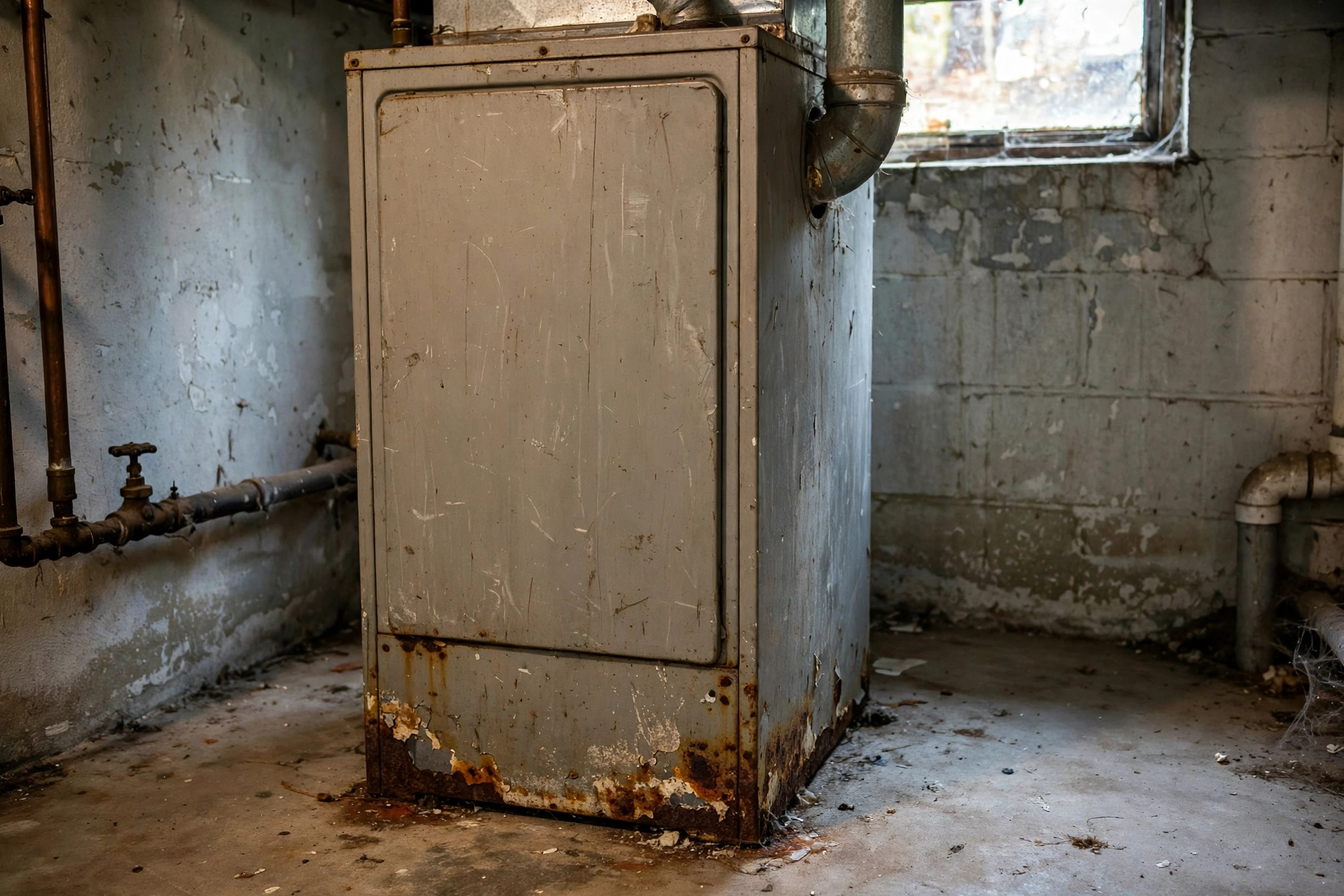
Most Delaware homes heat with gas furnaces where natural gas is available, and gas remains a practical choice for steady winter heating, fast recovery on cold mornings, and compatibility with existing gas lines and venting. Electric furnaces suit homes without gas service and some smaller homes, and they offer simpler venting and a different maintenance profile. The right fuel choice depends on what serves your home already, what your utility options are, and how your home is built.
Within each fuel type, furnaces differ in how they stage their heat. Single stage units run at one output level, while two stage and modulating units adjust output to match demand, running gently during mild weather and stepping up during cold snaps. Staged heat tends to produce steadier room temperatures and quieter operation, which matters in homes with open floor plans or rooms that have always run hot or cold.
Efficiency ratings also deserve an honest conversation, focused on how your household actually lives. A highly efficient furnace saves the most in a home that heats heavily all winter, while a moderately efficient unit may be the sensible choice for a smaller home, a seasonal property, or a home where other upgrades such as insulation or duct sealing will deliver more comfort per dollar of work. The installer should explain the tradeoffs in plain terms rather than pushing the highest efficiency unit by default.
Before a new furnace goes in, the existing infrastructure gets a careful look. Ductwork is checked for leaks, disconnections, crushed sections, and undersized runs, because a new furnace cannot fix delivery problems on its own. Venting is checked for proper routing, clearance, and condition, which matters even more in Delaware coastal homes where salt air and moisture accelerate corrosion on vent components and flue parts.
Gas supply and electrical supply are verified as well. Gas line sizing must support the new furnace, electrical circuits must handle the blower and controls, and condensate drainage for high efficiency units must have a safe, reliable route. These checks are not paperwork exercises. A furnace installed on an undersized gas line or a poorly drained condensate system will show problems quickly, often in ways that look like equipment faults but are really installation faults.
Safety devices are part of the installation, not an afterthought. Carbon monoxide detection, proper venting, and correctly wired safety controls protect the household from the first night the system runs. A thorough installer tests those protections during commissioning and shows you where detectors are and how they behave, so safety is something you understand rather than something you assume.
Installation day usually begins with protection for your home: floor coverings where technicians will walk, care around doorways and stairs, and a clear work area around the furnace. The old unit is then disconnected safely, with gas and power isolated before any removal work begins, and removed from the home. Old equipment disposal is handled as part of the job, so you are not left with a furnace sitting in a garage or driveway.
The new furnace is set in place, leveled, and connected to ductwork, gas or electric supply, venting, and condensate drainage. Connections are sealed and checked, the thermostat is wired and configured for the new system, and the installer verifies that airflow, gas pressure where applicable, and electrical draw all sit where they should. This commissioning stage is where careful installation earns its value, because a system that is merely connected is not yet a system that has been proven.
The final stage is a full test run through several heating cycles, with the installer checking heat at registers in different rooms, listening for unusual sounds, and confirming that safety controls respond correctly. You should receive a walkthrough of the new system: how to change the filter, how the thermostat works, what normal operation sounds like, and what signs should prompt a call. A good installation ends with you feeling confident operating the system, not puzzled by it.
Even heat depends on more than the furnace itself. Balanced airflow is the quiet hero of comfort, and it comes from ductwork that delivers air evenly, registers that are open and unblocked, and a blower setting matched to the system. Rooms that were always cold with the old furnace deserve a specific check after installation, because the new system is the best opportunity to fix a delivery problem rather than carry it forward.
Thermostat placement and settings matter just as much after a new install. A thermostat in a drafty hallway, above a heat source, or in a room that warms faster than the rest of the house will misread the home and drive the furnace badly. During commissioning, the installer should confirm that the thermostat reads sensibly and that its schedule matches how your household actually uses the home, including setbacks at night and during work hours if you use them.
Zoning and room by room adjustments can help homes with persistent trouble spots, such as additions, finished basements, or rooms over garages. These are not always necessary, but when a home has a known cold room, discussing zoning or duct adjustments during installation is far easier than retrofitting them later. The aim is simple: every room comfortable, without one room overheating to compensate for another.
A new furnace deserves a maintenance habit from the start. Regular filter changes, an annual tune-up before heating season, and prompt attention to new sounds or uneven heating will keep the system in the condition it was installed in. Delaware conditions reward that habit: freeze and thaw cycles, humid summers, and coastal salt air all work on a system year round, even during months when the heat is off.
Keep the area around the furnace clear and dry, and report moisture, rust, or new odors promptly rather than waiting for the next scheduled visit. Small environmental problems around a furnace, such as a slow condensate drip or a vent showing corrosion, are inexpensive when caught early and expensive when left to work through a winter.
Finally, keep the installation paperwork and the record of what was installed, including the model and the sizing reasoning, in a place you can find. That record helps future technicians service the system correctly, supports warranty questions, and makes any later upgrade conversation grounded in facts about your home rather than guesswork. A well installed furnace, well maintained, should serve quietly for many seasons, and that quiet reliability is the real measure of a good installation.
Describe what your system is doing and we will help arrange the next step.
Sizing is based on your home's size, insulation, windows, air leakage, and ductwork, not on the old furnace alone. A technician measures and inspects the home before recommending a capacity.
Not always. Ductwork in good condition can serve a new furnace well, but leaky, crushed, or undersized ducts should be repaired or improved so the new system can deliver air evenly.
Single stage furnaces run at one output level, while modulating furnaces adjust output to match demand. Modulating heat tends to hold steadier temperatures and run more quietly.
Many straightforward installations are completed in a day, while jobs involving ductwork changes, venting work, or electrical upgrades can take longer. Your installer will outline the expected timeline before work begins.
Often yes, especially if the old thermostat cannot control staging or features on the new system. A compatible thermostat helps the new furnace perform as designed.
Spring through early autumn is usually most convenient, because mild weather makes scheduling easier. That said, a failing furnace should not wait for a convenient season.
Not seeing your question? Request service and describe what your system is doing.
Plan a Furnace InstallationEmergency furnace repair covers a furnace that has stopped heating, is making unsafe sounds, or is showing sig…
Learn more
Furnace repair restores safe, even heat by diagnosing the failed part or control, explaining the fault in plai…
Learn more
Furnace replacement is the right move when an older system needs frequent major repairs, cannot heat the home …
Learn more