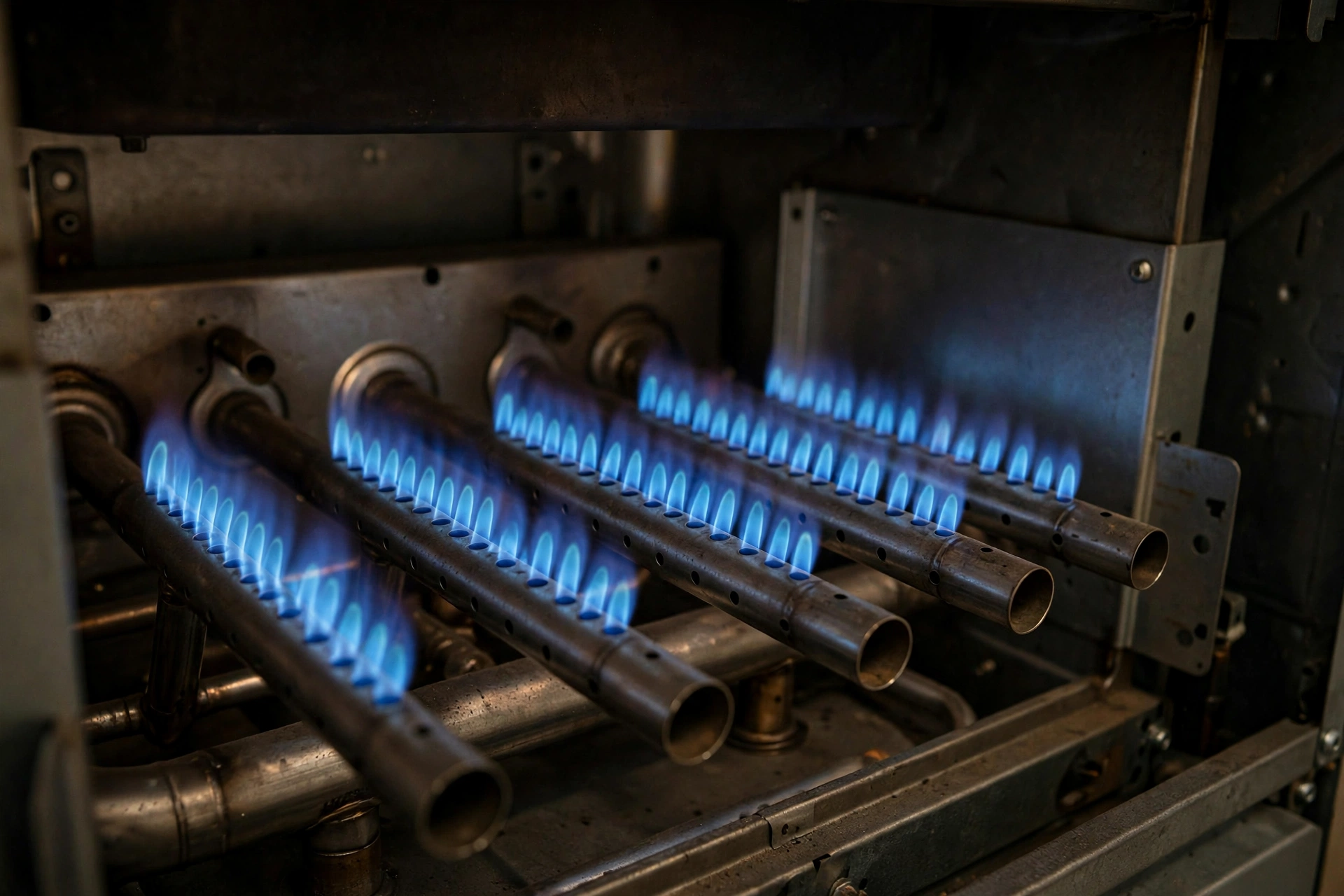
Gas vs Electric Furnaces for Delaware Winters
Gas furnaces tend to deliver hotter air and recover faster during Delaware cold snaps, while electric furnaces…
Learn more
A furnace that will not turn on during a Delaware cold snap is stressful, and the natural reaction is to call for help right away. Sometimes that is exactly the right move. Before you do, though, a short series of checks can reveal a simple cause, and in some cases you can restore heat yourself in a matter of minutes.
Many no-start calls turn out to involve power to the unit, a thermostat problem, or a safety switch that tripped for a good reason. Working through these in order saves a service visit when the fix is simple, and it gives the technician useful information when the problem is real. Either way, you come out ahead for having checked.
This guide covers only safe, homeowner-level checks. It does not ask you to open the furnace cabinet, handle gas connections, or bypass safety devices. If anything smells of gas, or if a check feels outside your comfort level, stop and call a professional instead.
Begin at the thermostat. Confirm it is set to heat, that the set temperature is above the room temperature, and that the display is lit. A blank display often means dead batteries, and a thermostat set to cool after a power outage will happily ignore every call for heat. These two checks take less than a minute and resolve a surprising share of no-start complaints.
Next, confirm the house has power more broadly. If lights and outlets are out as well, the problem is electrical supply rather than the furnace, and the utility or an electrician is the right call. A furnace needs electricity even when it burns gas, since the blower, ignition, and controls all run on power.
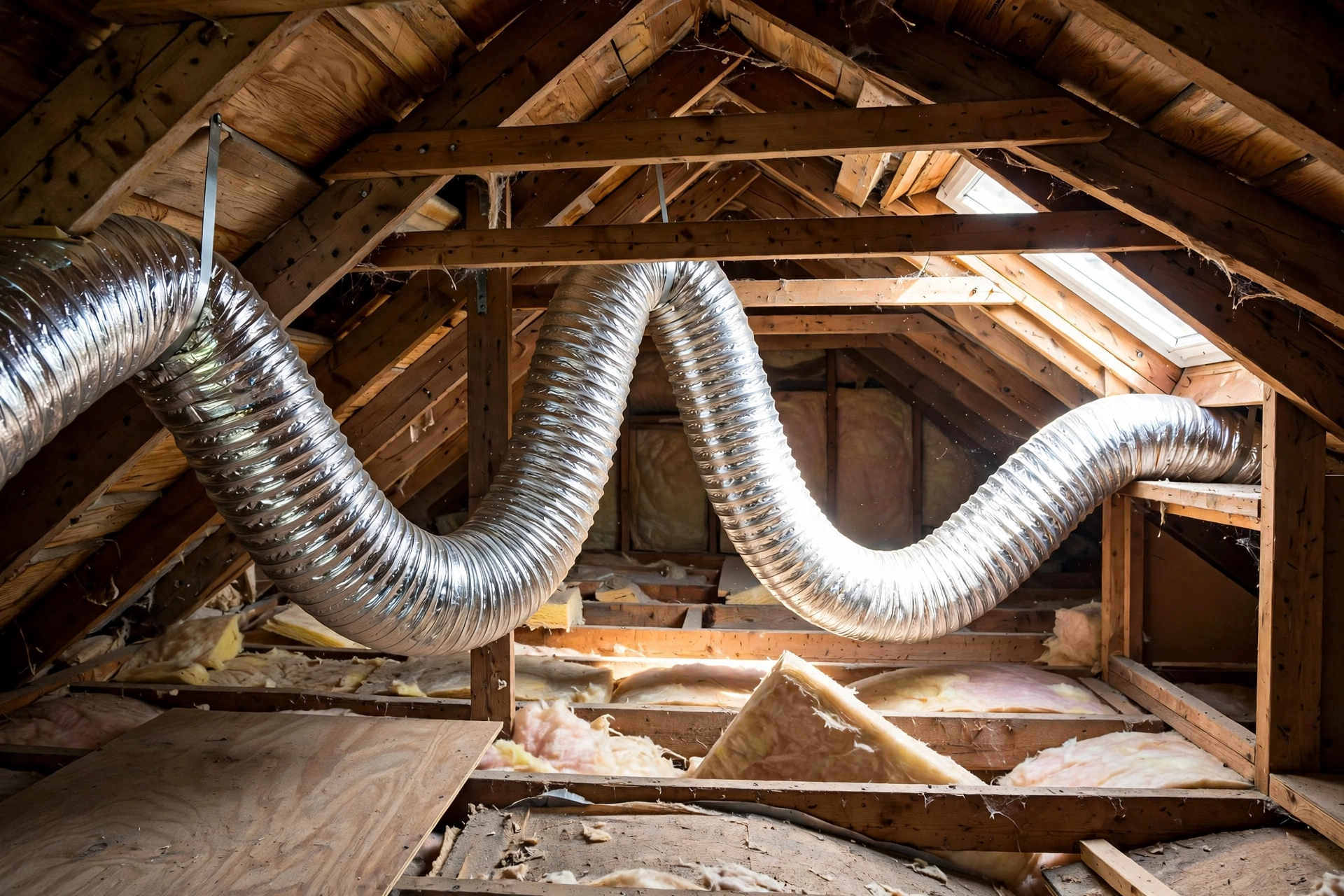
Most furnaces have a dedicated power switch mounted nearby, often on the wall or on the unit itself, and it looks much like an ordinary light switch. It is easy to bump this switch off while moving stored items or working near the furnace, and it is also sometimes mistaken for a light switch by a visitor. Make sure it is in the on position.
At the breaker panel, look for the breaker labeled for the furnace and check whether it has tripped to the middle or off position. Reset it once by switching it fully off and then fully on. If it trips again right away, leave it off and call a professional, since a breaker that keeps tripping signals a fault that needs diagnosis rather than repeated resets.
Battery-powered thermostats give warnings before they die, but those warnings are easy to miss, and a dead thermostat cannot call for heat at all. Replacing the batteries is inexpensive and quick, and it is worth trying even if the display still looks faintly lit, since weak batteries can cause erratic behavior before the display goes dark.
While you are at the thermostat, check for settings that could block heating, such as a hold temperature set low, a schedule that has the system off during the hours you expect heat, or a vacation mode left on after a trip. A thermostat that was recently replaced or reprogrammed deserves an extra look, since a wiring or setup error can leave the system silent.
Furnaces have safety switches that shut the system down when something is wrong, such as a blocked exhaust vent or an overheated heat exchanger. A blocked vent is common in winter, when snow, ice, leaves, or a bird nest can cover the outdoor exhaust or intake pipes. Clearing visible debris from around those pipes can restore operation.
The condensate drain on high-efficiency furnaces can also block and trip a safety switch, especially in cold weather when condensate lines freeze. If you can see a frozen or kinked drain line, that is useful information for a technician. Do not bypass or tape down a safety switch to force the furnace on, since those switches exist to prevent dangerous operating conditions.
For a gas furnace, a closed gas valve or an interrupted supply will leave the system unable to start. The gas valve near the furnace should be in line with the pipe when open, and the main supply should be on. If gas service was recently shut off for work, or if other gas appliances are also not working, the supply itself may be the issue.
Never force a gas valve, relight a furnace repeatedly, or ignore the smell of gas while troubleshooting. If you smell gas, leave the house immediately without switching lights or appliances on or off, and call for help from a safe distance. Gas problems are always a professional job, and caution here costs nothing.
If the checks above do not restore heat, your notes become valuable. Tell the technician whether the furnace makes any sound at all, whether the thermostat display is lit, whether the breaker tripped, and whether the problem began suddenly or after recent work on the house. Each detail narrows the diagnosis and can shorten the repair visit.
Also mention how quickly the house is cooling and whether anyone in the home is vulnerable to cold, such as young children or older adults. That context helps the service team prioritize fairly during busy cold snaps, when many homes need help at once. While waiting, close off unused rooms, keep curtains drawn at night, and avoid using ovens or space heaters in unsafe ways for warmth.
Most no-start mornings are preventable with a little fall preparation. Test the furnace before you truly need it, while the weather is still mild and a repair is an errand rather than an emergency. Replace thermostat batteries at the start of heating season, even if the display still looks fine, since weak batteries cause erratic behavior before they die outright. Keep the area around the furnace clear so the power switch cannot be bumped off by stored boxes and so a technician can reach the unit quickly if needed.
A yearly professional service visit is the other half of prevention. During service, a technician inspects ignition parts, safety controls, and electrical connections, catching the worn components that cause silent no-start failures in January. Homeowners who combine a fall test run, fresh batteries, and annual service rarely face a furnace that refuses to start on the coldest morning of the year, and when trouble does appear, they already know the system was recently checked, which narrows the diagnosis considerably.
It also helps to keep a small furnace kit in the utility area: spare filters in the correct size, fresh thermostat batteries, and the furnace manual or a photo of the model plate. When a no-start morning arrives, having those items on hand removes the scramble and lets you work through the checks calmly. Label the furnace breaker clearly at the panel too, since a clearly labeled panel turns a confusing moment into a quick check. If your home has been through recent electrical work or a renovation, double-check that the furnace switch and breaker labels still match reality, since panels change during remodels and a mislabeled breaker can send you checking the wrong circuit. These small preparations cost little and pay off exactly when stress is highest, which is the point of prevention: making the rare bad morning shorter and calmer.
Read the guide, then describe your furnace problem and we will help arrange the next step.
Gas furnaces tend to deliver hotter air and recover faster during Delaware cold snaps, while electric furnaces…
Learn more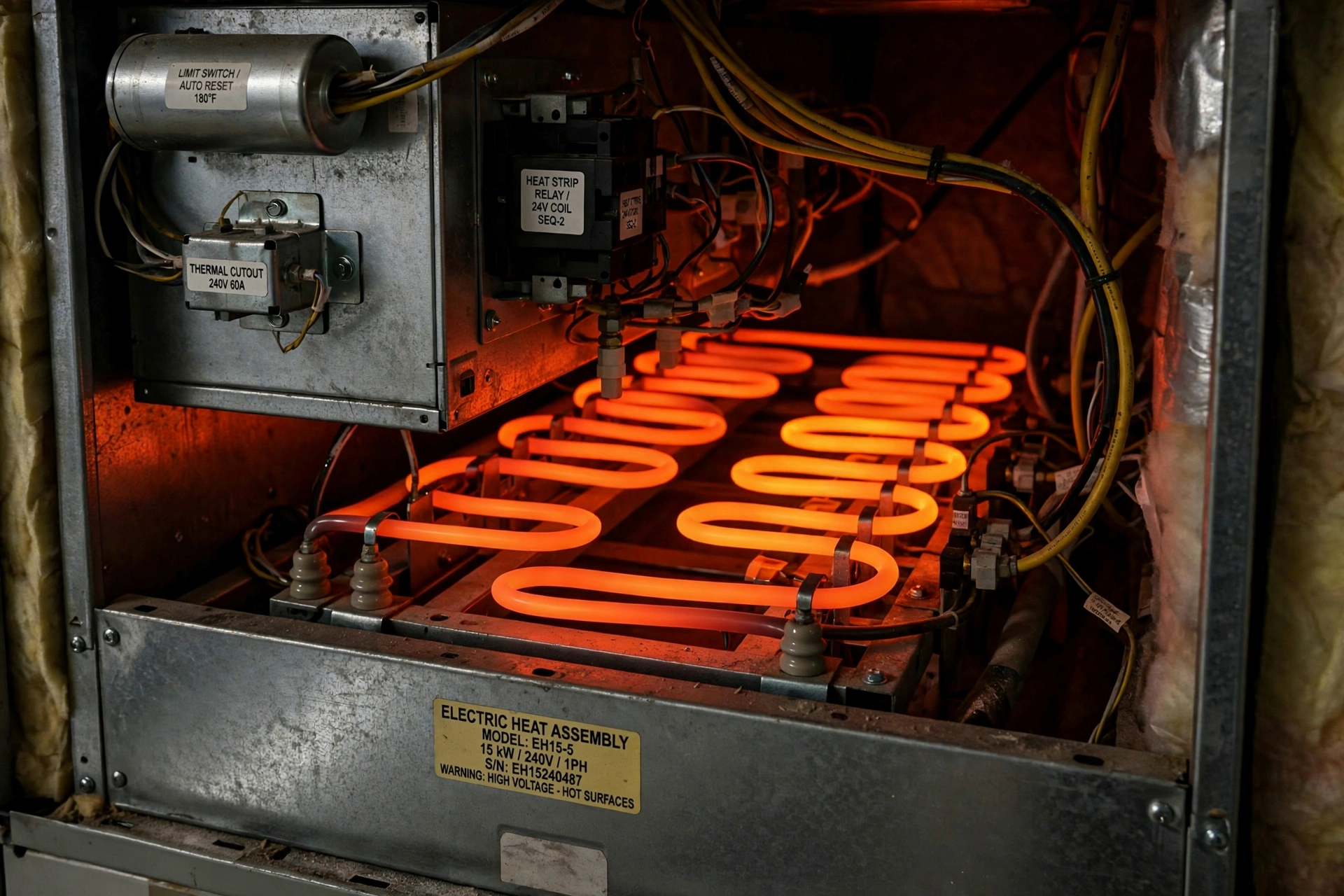
A heat pump moves heat rather than creating it and works efficiently in mild Delaware weather, while a furnace…
Learn more
Preparing an older Delaware home for winter means addressing drafts, aging ductwork, and insulation gaps along…
Learn more