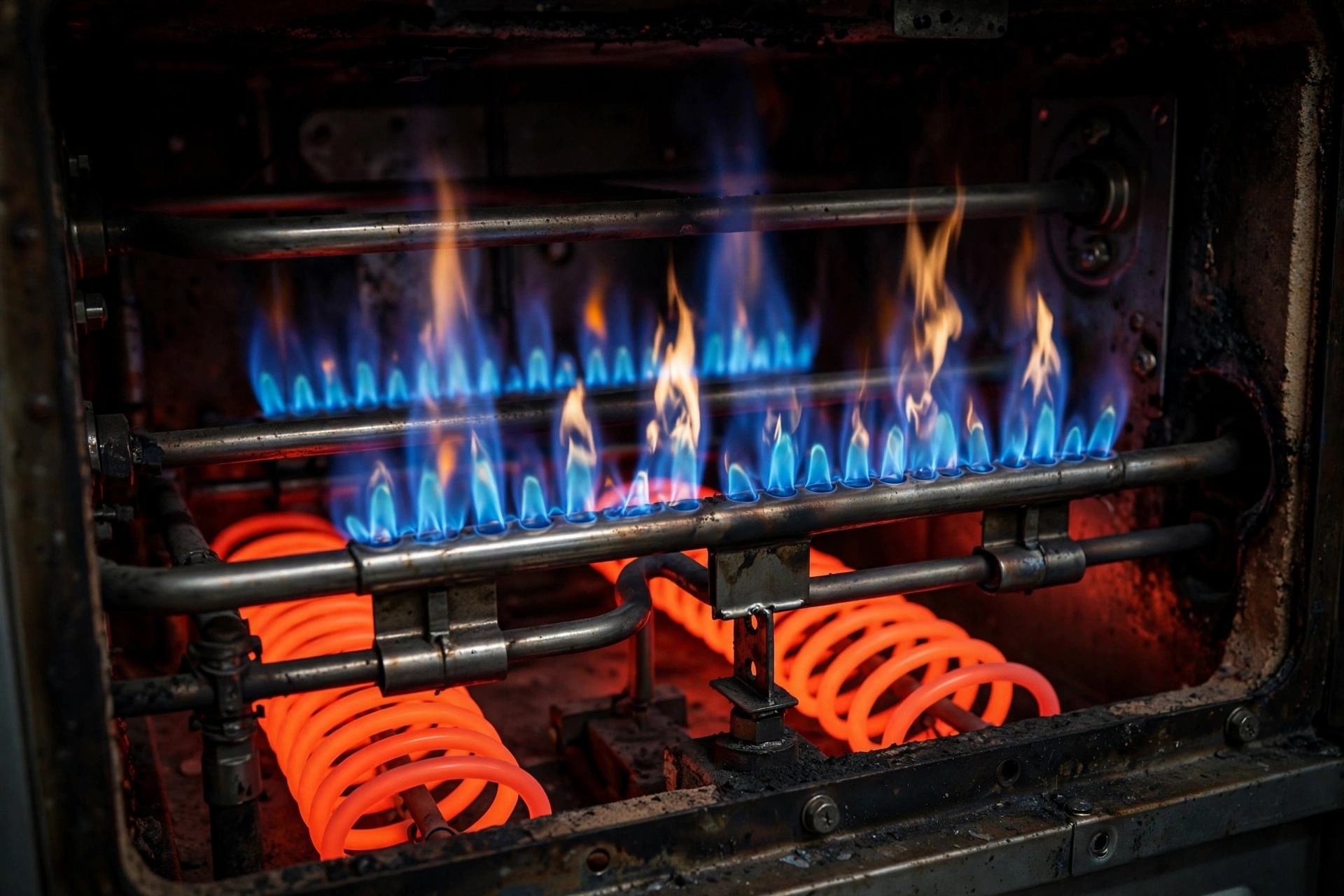
Furnace Repair
Furnace repair restores safe, even heat by diagnosing the failed part or control, explaining the fault in plai…
Learn moreA furnace rarely fails at a convenient time. In Delaware, breakdowns tend to show up during the first real cold snap of the season, on a holiday weekend, or in the middle of a stretch of freezing nights when the system has been running hard for days. When the heat goes out, the house cools quickly, pipes become vulnerable, and a family that was comfortable at bedtime can wake up to a cold home. That urgency is exactly what emergency furnace repair is built for.
Delaware Furnace Pros treats a no heat call as a priority because a home without heat in winter is more than an inconvenience. Older furnaces in Wilmington rowhouses, heat systems in coastal homes exposed to salt air, and newer high efficiency units in suburban developments all fail in different ways, but the goal of an emergency visit is the same in every case: find the fault, explain it plainly, and restore safe heat as quickly as the repair allows.
This page explains what counts as a furnace emergency, what happens when a technician arrives, what you can safely check before calling, and how to reduce the chance of another sudden breakdown. If your furnace has stopped, if you smell gas, or if a carbon monoxide alarm is sounding, do not wait for a routine appointment. Shut the system down if it is safe to do so, leave the home if an alarm sounds, and request service through our contact page.
Not every furnace problem needs same day help, but several situations should never wait. A complete loss of heat during cold weather is an emergency, especially in a home with young children, older adults, or anyone with a health condition that makes cold exposure risky. A furnace that runs but blows only cold air, cycles on and off without ever warming the house, or trips a breaker repeatedly also belongs in the emergency category when outdoor temperatures are low.
Safety problems are emergencies regardless of the weather. A smell of gas near the furnace, a carbon monoxide alarm sounding, visible soot around the unit, or a burning smell that does not fade after the first minutes of operation all call for immediate action. In those cases, the safest step is to leave the home and call for help from outside rather than trying to diagnose the unit yourself. A technician can then inspect the system, check for leaks, and test safety controls before the furnace is returned to service.
Delaware winters add their own pressure. Freeze and thaw cycles stress older ductwork, coastal humidity and salt air corrode components, and long cold stretches expose weaknesses a mild autumn never revealed. A furnace that limped through November can fail in January, which is why a sudden breakdown in midwinter deserves a prompt response rather than a wait and see approach.
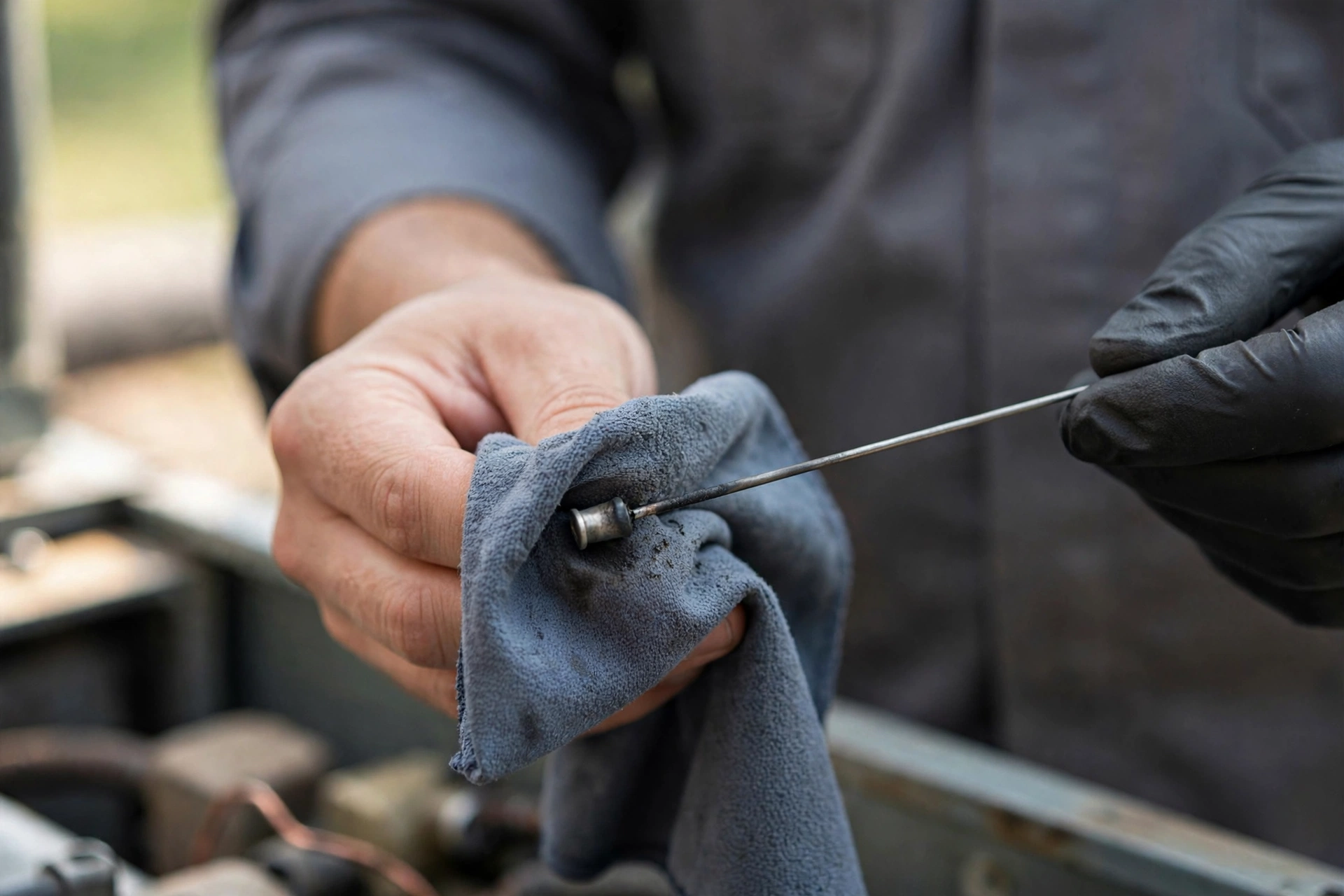
When you request emergency service, the first priority is understanding the situation. You will be asked what the furnace is doing or not doing, whether any alarms are sounding, whether you smell gas, and whether the home still has any heat at all. Those answers help the technician arrive prepared with the right diagnostic tools and the most likely replacement parts, which matters when a repair needs to happen in a single visit.
On arrival, the technician begins with safety checks before any repair work. Gas connections, venting, electrical supply, and safety controls are inspected first, because a furnace that is heating again but venting poorly is not a fixed furnace. Only after those checks does diagnosis move to the ignition system, blower, thermostat signal, flame sensor, and control board, working through the most common causes in a logical order rather than guessing at parts.
You should expect a clear explanation before any repair begins. The technician will describe what failed, why it failed, and what the repair involves, so you can approve the work with full information. If a part is not available on the truck, you will be told what is needed and what temporary steps can keep the home safer while the part is obtained. The visit ends with a test run of the system and a check that heat is reaching the rooms, not just leaving the furnace.
Ignition failures are among the most common reasons a furnace stops heating without warning. A worn ignitor, a dirty flame sensor, or a pilot problem can leave the burners unable to light, and the furnace will often lock itself out after repeated failed attempts. These are usually straightforward repairs, but they can look alarming because the system goes completely silent after a few tries.
Thermostat and electrical problems cause a surprising share of no heat calls. A thermostat that has lost power, lost its connection to the furnace, or been set incorrectly will not call for heat at all, and a tripped breaker or blown fuse can cut power to the whole unit. Before assuming the furnace itself has failed, a technician checks the full chain from thermostat to control board, because fixing a control problem is very different from replacing a major component.
Mechanical wear also ends heating seasons abruptly. A failed blower motor leaves warm air trapped at the furnace instead of moving through the ducts, a cracked heat exchanger is a safety issue that requires the furnace to stay off, and a clogged filter can overheat the system until a safety limit switch shuts it down. Delaware homes with older systems, especially those that have skipped recent maintenance, are more likely to see these wear related failures during the hardest working weeks of winter.
There are a few safe checks you can make while waiting for help, and they sometimes resolve the problem or give the technician useful information. First, check the thermostat setting and make sure it is set to heat with a target temperature above the current room temperature. It sounds simple, but a thermostat bumped to cool, set to fan only, or left in a hold mode after a schedule change is a frequent cause of a no heat report.
Next, check the circuit breaker for the furnace and the power switch near the unit, which often looks like an ordinary light switch. If the breaker has tripped, you may reset it once, but if it trips again, leave it off and wait for a technician, because repeated tripping points to an electrical fault. Also check the furnace filter if you can reach it safely. A filter clogged with dust restricts airflow, overheats the system, and can trigger a shutdown, and replacing a dirty filter is a safe homeowner step.
Do not open the furnace cabinet, work on gas lines, or reset safety controls repeatedly in an effort to force the system back on. Safety switches trip for a reason, and bypassing them can turn a repair into a hazard. If you smell gas, do not flip switches or use phones inside the home. Leave, then call for help from a safe place. Those boundaries keep a stressful night from becoming a dangerous one.
An emergency visit is organized around speed and safety rather than a full system review. The technician focuses first on restoring heat and confirming the system is safe to run, and a broader maintenance check can follow at a later appointment. When a home is cold, the most valuable outcome is reliable heat tonight, with a plan for longer term work.
Emergency diagnosis also leans on the parts and tools carried on the truck. Common failure items such as ignitors, flame sensors, thermostats, and fuses are stocked for exactly this reason, so many emergency repairs finish in one visit. When a failure involves a less common component, the technician will explain the situation honestly, stabilize the system if possible, and arrange the follow up repair rather than leaving you guessing about next steps.
After an emergency repair, it is worth scheduling a maintenance visit before the next cold stretch. Emergency repairs fix the immediate fault, but they do not reverse years of wear, and a furnace that failed once in winter is telling you about its condition. A tune-up after the crisis lets a technician clean, inspect, and test the full system at a calm pace and catch the next likely failure before it becomes another emergency.
The most effective prevention is regular maintenance before heating season. A fall tune-up catches worn ignitors, dirty sensors, weak motors, and airflow problems while the weather is still mild and repairs can be scheduled without urgency. Homeowners who maintain their systems also tend to notice small changes earlier, such as longer heating cycles or new noises, and those early warnings are far easier to address than a midnight failure.
Simple homeowner habits help between professional visits. Replacing filters on a regular schedule, keeping supply and return vents clear, and keeping the area around the furnace clear of stored items all support airflow and safe operation. In coastal Delaware homes, where salt air accelerates corrosion, keeping the furnace area dry and reporting any rust or moisture promptly matters even more, because corrosion rarely improves on its own.
Age is also a factor worth facing honestly. A furnace that needs repeated emergency repairs, heats unevenly, or struggles to hold temperature during cold snaps may be approaching the end of its reliable life. In that case, talking through replacement options before the next winter, rather than during a breakdown, gives you time to choose a system sized for your home and to plan the installation properly. Emergency repair will always be available when you need it, but the best emergency is the one that never happens.
Describe what your system is doing and we will help arrange the next step.
Check the thermostat setting, the breaker, and the filter if you can do so safely, and request emergency service through our contact page. If you smell gas or a carbon monoxide alarm sounds, leave the home and call for help from outside.
During cold weather, yes, because the home will keep cooling and pipes can be at risk. A furnace blowing cold air can point to an ignition failure, a thermostat problem, or a blower issue, all of which need prompt diagnosis.
No. Safety controls shut a furnace down to protect the home, and repeated resets can mask a real fault. Reset once if a breaker tripped, but if the problem returns, leave the system off and request service.
Many can, because common failure parts are carried on the truck. If a less common part is needed, the technician will explain what is required and arrange the follow up repair.
Describe what the furnace is doing, whether any alarms are sounding, whether you smell gas, and whether the home has any heat at all. Those details help the technician arrive prepared.
No. Emergency repair fixes the immediate fault, while maintenance inspects and tests the whole system. Scheduling a tune-up after an emergency repair helps prevent a repeat breakdown.
Not seeing your question? Request service and describe what your system is doing.
Get Emergency Furnace HelpFurnace repair restores safe, even heat by diagnosing the failed part or control, explaining the fault in plai…
Learn more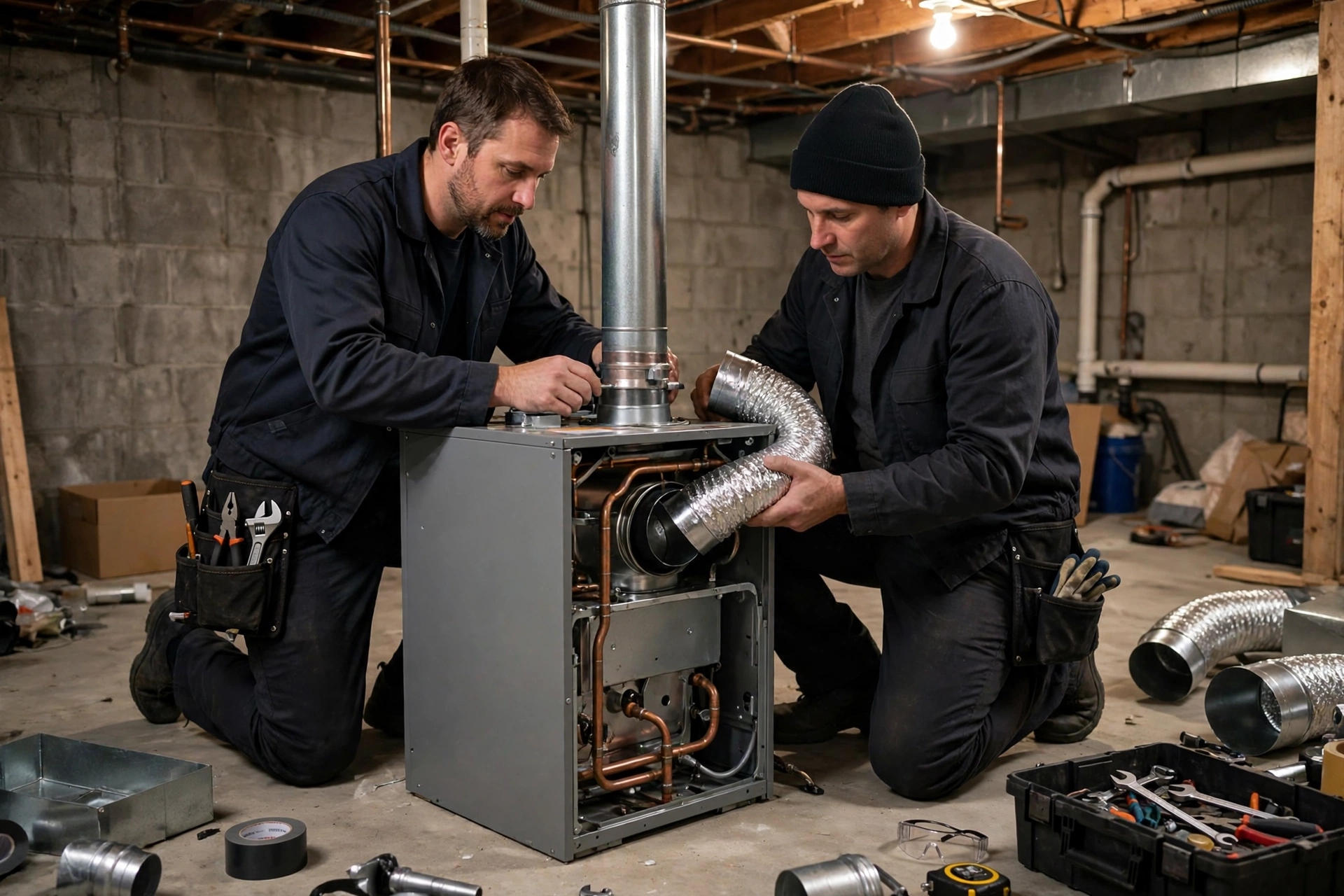
Furnace installation means choosing a system sized to your home and ductwork, removing the old unit safely, an…
Learn more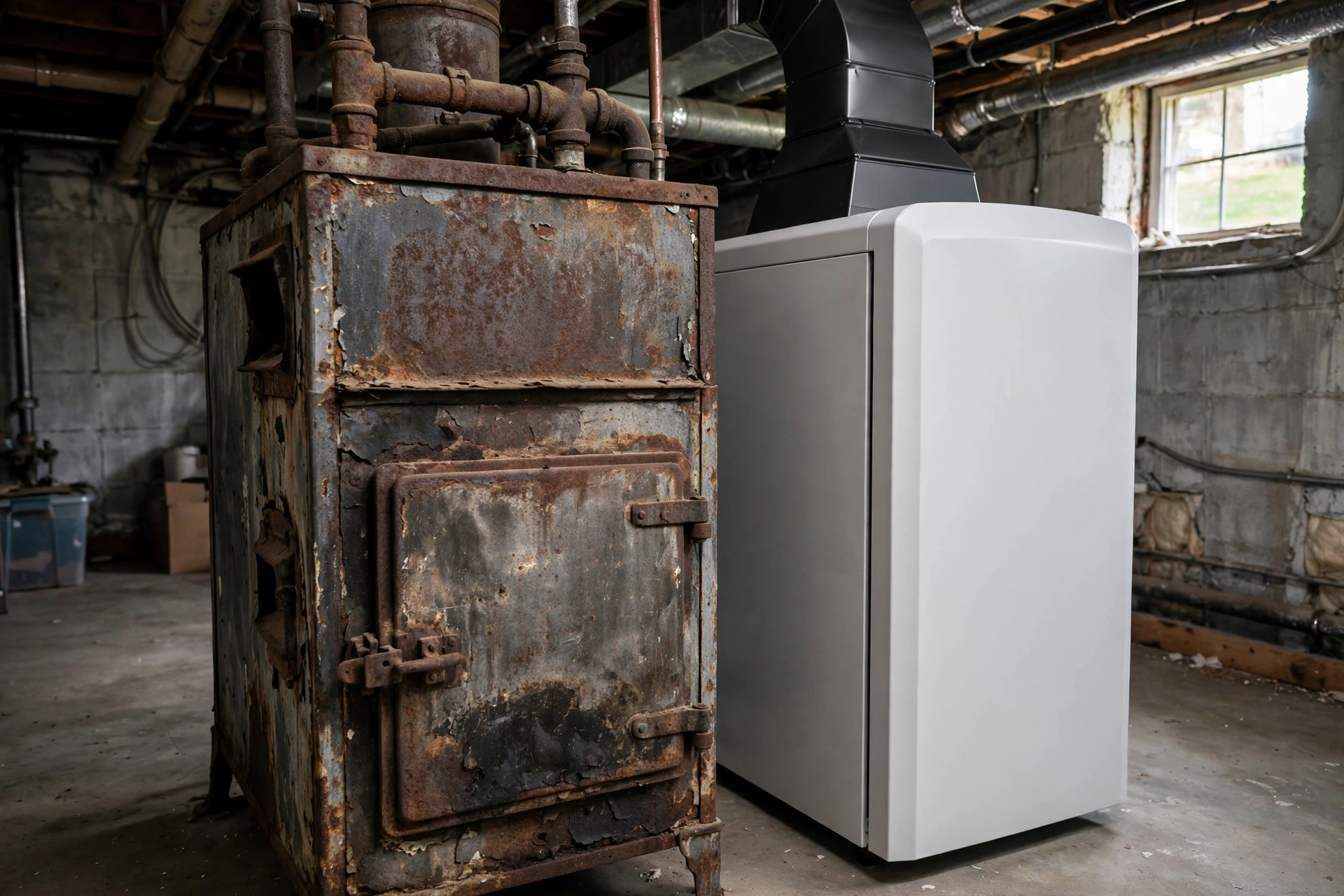
Furnace replacement is the right move when an older system needs frequent major repairs, cannot heat the home …
Learn more