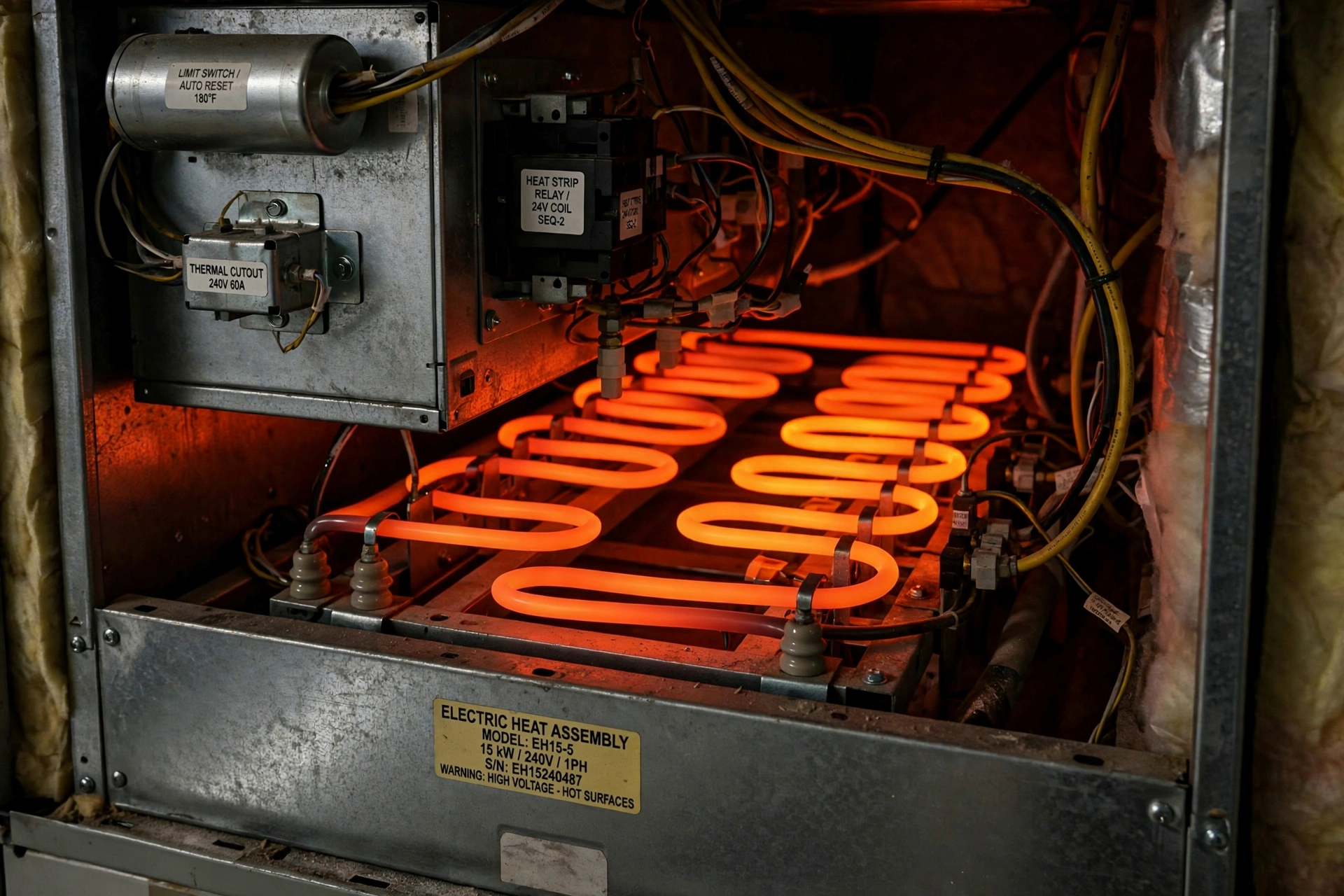
Heat Pump vs Furnace: Which Fits Delawares Climate?
A heat pump moves heat rather than creating it and works efficiently in mild Delaware weather, while a furnace…
Learn more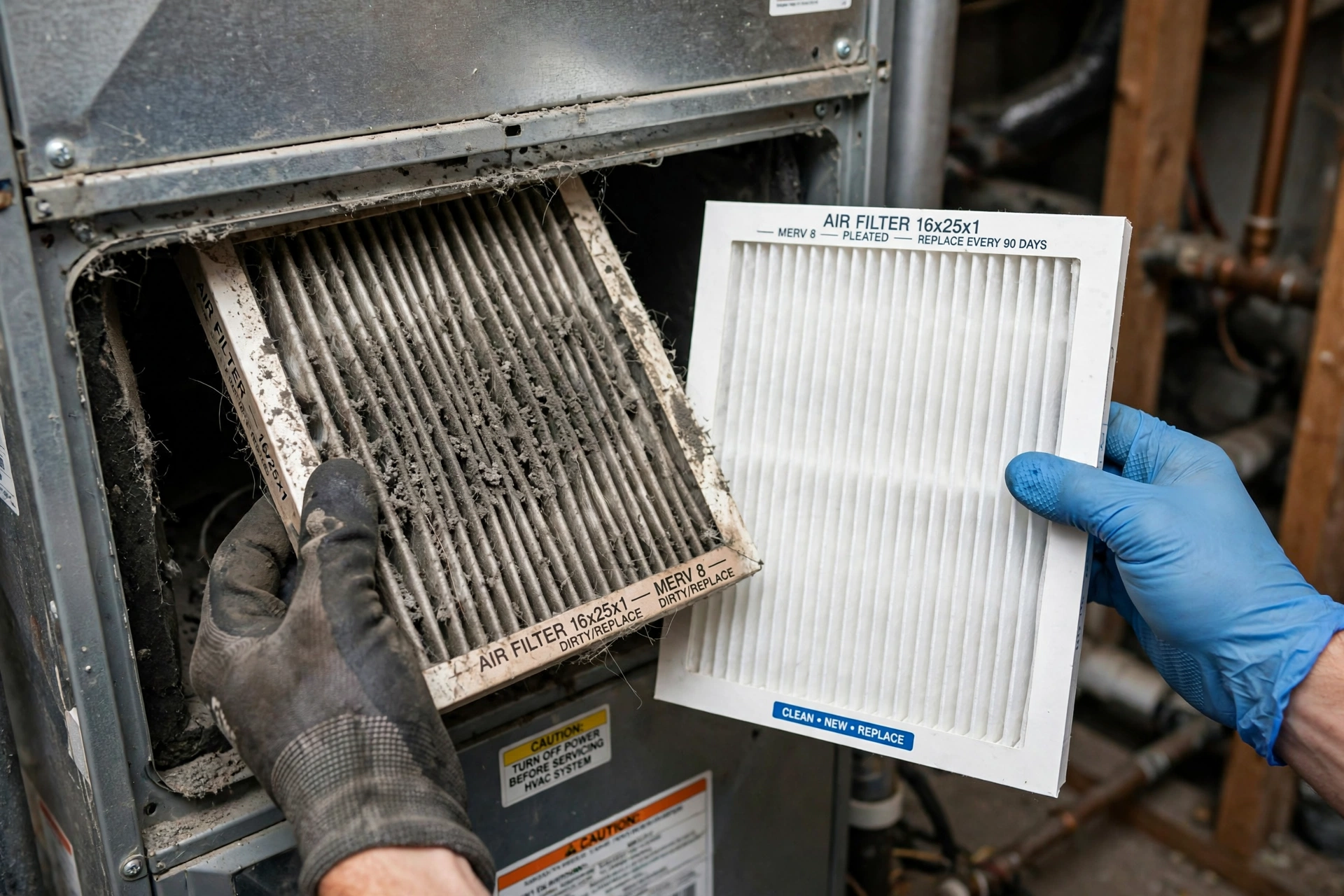
Fall in Delaware is the ideal window for furnace maintenance. The weather is mild enough that a discovered problem is an inconvenience rather than an emergency, technicians have more open schedules than they will in January, and any parts needed can be ordered without the pressure of a freezing house.
A fall checklist does not need to be complicated. Most of it is simple homeowner work: filters, thermostat tests, clearing vents, and a careful look and listen for anything unusual. The professional tune-up is the one item to schedule rather than attempt yourself, since it covers burners, safety controls, and internal parts that need trained eyes.
Work through this checklist in early fall, before the first sustained cold snap. If you find a problem at any step, note it and call for service while the weather still gives you time to wait for an appointment.
Start with the filter, since it is the simplest task on the list and the one that most affects performance. A filter that collected dust all summer will restrict airflow from the first heating cycle, forcing the blower to work harder and risking overheating shutdowns. Put in a fresh filter as heating season begins, and buy a spare at the same time.
Check the filter size printed on the frame, and make sure the new filter sits snugly with its airflow arrow pointing in the correct direction. If your home has pets, recent renovation work, or occupants with allergies, plan to check the filter more often through winter. A filter that looks gray and matted has done its job and is ready to be replaced.
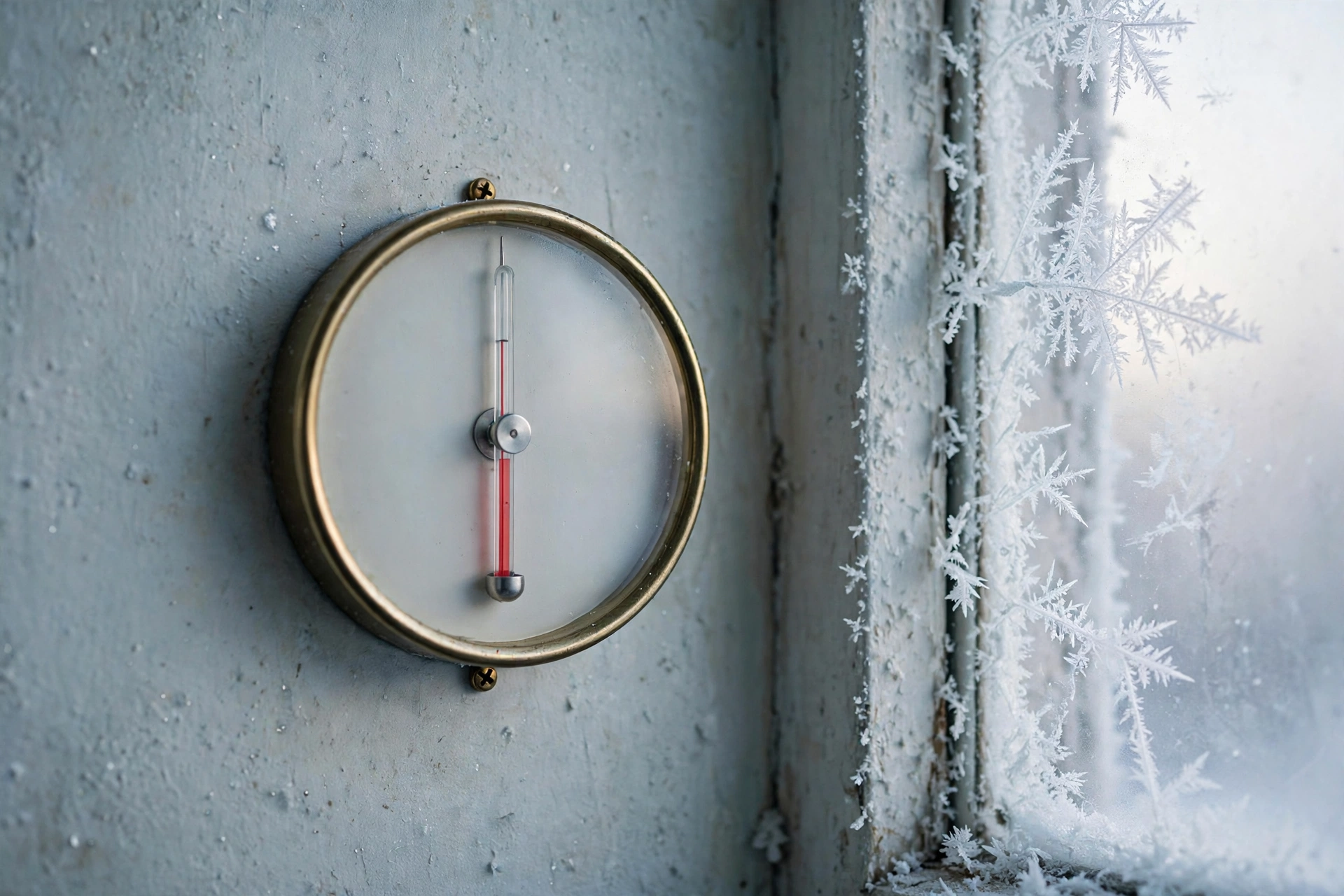
Before you truly need heat, run a test cycle. Set the thermostat a few degrees above room temperature, switch it to heat, and let the furnace run through a full cycle. Listen for smooth startup, check that warm air reaches the vents, and confirm the system shuts off when the set temperature is reached.
This early test catches problems while they are still easy to fix, such as a thermostat that needs new batteries, a setting left over from summer, or a furnace that starts roughly after months idle. If anything sounds wrong, smells unusual, or fails to produce warm air, you have time to book service before cold weather turns the problem urgent.
Walk through the house and confirm every supply register and return vent is open and unblocked. Furniture, rugs, and stored boxes creep over vents during the summer, and a blocked vent starves rooms of heat while unbalancing airflow through the whole system. Vacuum dust from register grilles while you are there.
At the furnace itself, clear stored items away from the unit, especially anything flammable such as paint cans, solvents, or cardboard boxes. Furnaces need clear space for airflow and safe access, and a cluttered furnace area makes service visits harder as well. Outside, clear leaves and debris from around outdoor vent pipes and intakes.
For gas furnaces, the flue carries combustion gases safely out of the home, and the combustion air path supplies the burner with the air it needs. A visual check from outside can reveal obvious problems, such as a disconnected vent section, a nest near the vent opening, or visible rust and damage on exposed vent pipe. Inside, look for soot marks or rust streaks near the furnace vent connection.
Do not attempt to repair venting yourself. If you see damage, soot, or a disconnected section, call a professional promptly, since faulty venting can allow combustion gases into the home. This visual check is about spotting trouble early, not fixing it, and a technician will confirm the venting is sound during the annual tune-up.
Your senses are useful diagnostic tools during the first heating cycles of fall. Listen for new rattling, squealing, or banging that was not there last season. Note any smell beyond the brief dust burn off that fades quickly. Watch the burner flame if your furnace lets you see it safely through a viewing window: a steady blue flame is normal, while a flickering yellow flame deserves a service call.
Also watch how the house heats. Rooms that were fine last winter but now lag behind, a thermostat that seems to call for heat constantly, or a furnace that cycles on and off rapidly are all early warnings. Catching these in fall means repairs happen on your schedule, not in the middle of a cold snap when every technician is booked.
The professional tune-up is the part of fall maintenance that pays for itself in reliability. A technician cleans and inspects burners, checks the heat exchanger, tests safety controls, measures airflow, and spots worn parts before they fail. These are internal jobs that need training and tools, and they are the difference between a furnace that runs all winter and one that quits on the coldest night.
Book early in fall, when appointments are easiest to get and any recommended repairs can be completed without rush. Mention anything you noticed during your own checklist, such as odd sounds, uneven rooms, or a yellow flame, so the technician can focus on those concerns first. A fall tune-up plus your own checklist is the strongest preparation a Delaware homeowner can give a furnace.
Homeowners sometimes wonder what a professional tune-up adds beyond their own checklist, and the answer is everything inside the furnace cabinet. A technician cleans and inspects the burners, examines the heat exchanger for cracks or rust, tests safety controls and limit switches, checks electrical connections, measures airflow and temperature rise, and lubricates moving parts where the design requires it. These tasks need training, tools, and an eye for early wear that a homeowner cannot reasonably replicate.
The tune-up visit is also a diagnostic opportunity. A technician can spot a blower motor drawing strain, a control board showing early failure signs, or a venting arrangement that has shifted since installation. Catching those findings in fall means repairs happen before winter demand peaks, and the technician can also answer questions about the system that arose during your own checklist. Think of your checklist as the outer inspection and the tune-up as the inner one, and together they cover the whole system.
It is worth asking what the tune-up does not cover as well, so expectations stay realistic. A standard tune-up inspects and cleans the furnace itself, but it does not automatically include duct sealing, insulation upgrades, or thermostat replacement, even though those items affect comfort just as much. If your fall checklist turned up uneven rooms, persistent drafts, or a thermostat that seems out of step with the house, raise those separately during the visit so the technician can advise on them or schedule follow-up work. A tune-up is the foundation of winter readiness, and the conversation around it is where the wider heating picture gets addressed.
Read the guide, then describe your furnace problem and we will help arrange the next step.
A heat pump moves heat rather than creating it and works efficiently in mild Delaware weather, while a furnace…
Learn more
Preparing an older Delaware home for winter means addressing drafts, aging ductwork, and insulation gaps along…
Learn more
A well-maintained furnace in Delaware can serve a home for many years, but lifespan depends heavily on regular…
Learn more