Furnace Repair in Middletown, Delaware
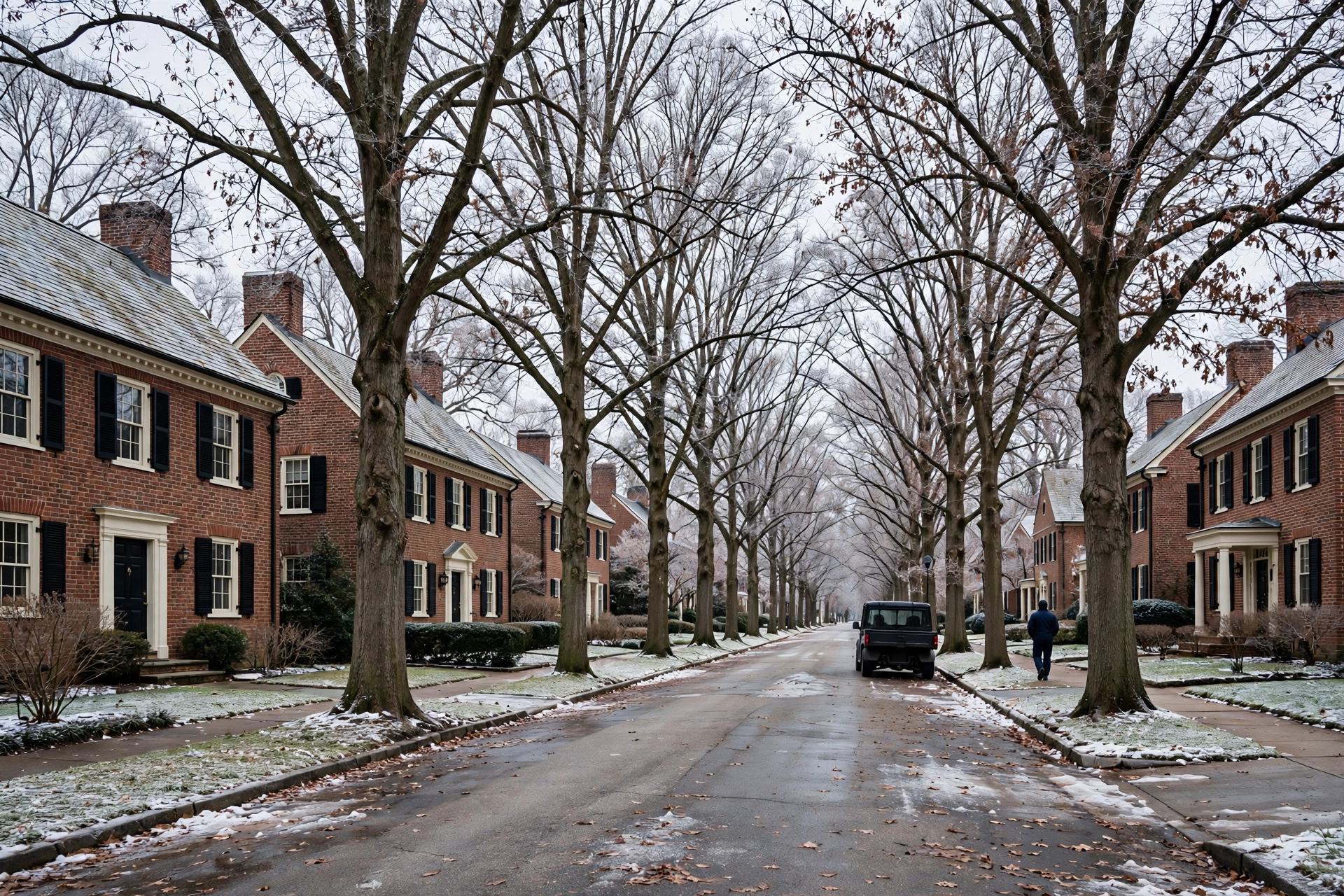
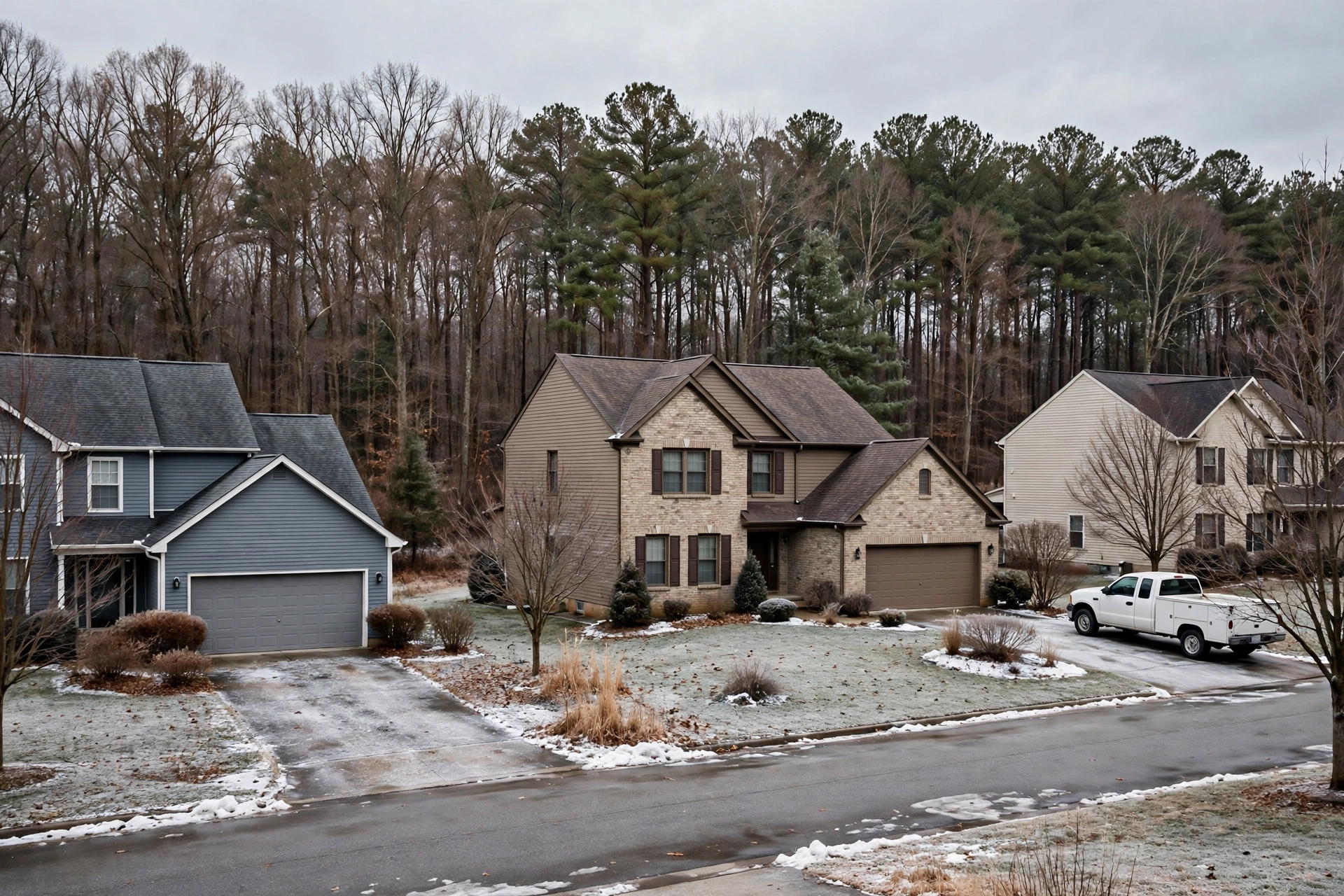
Middletown, in southern New Castle County, has grown rapidly from a small farming town into one of the fastest growing communities in Delaware, and its housing reflects that growth in a single glance. Main Street still carries the scale of an older town center, while the roads outward, especially Route 299 and the US Route 301 corridor, are lined with planned subdivisions, townhome communities, and larger single family homes on former farmland. Furnaces here therefore range from older systems in the historic core to newer equipment in homes that are only a few heating seasons old.
Serving Middletown, DE 19709
Middletown sits on the edge of the Appoquinimink watershed, with open fields, new roads, and young landscaping that has not yet grown into the windbreaks and shade that older neighborhoods enjoy. That openness means winter wind reaches houses more directly, and new homes on exposed lots can lose heat faster than their owners expect. Summers are humid, and the long idle months leave furnaces to sit through damp air before the first cold snap calls them back into service.
Growth also means many Middletown homeowners are new to their house, their neighborhood, and sometimes to Delaware winters altogether. A furnace that came with the house may be unfamiliar, its filter location unknown, and its maintenance history unclear. Our work in Middletown is built to meet that need, with clear explanations, a thorough first assessment, and care that fits the particular subdivision, lot, and house.
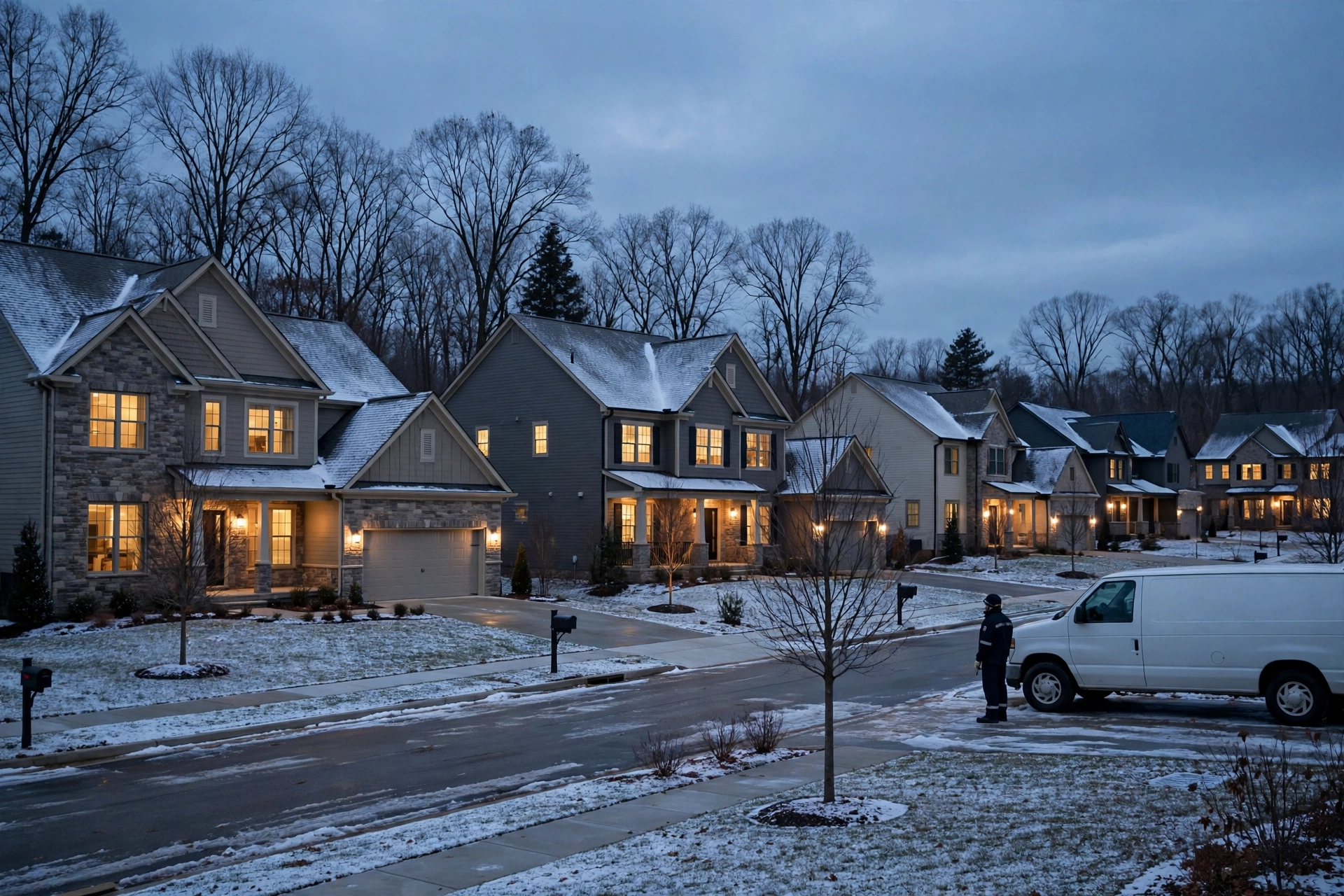
New Subdivision Furnaces and Their Early Years
In a new Middletown subdivision, a furnace is often assumed to need no attention, since the house itself is new, but the early years of a heating system are when installation details show up. Duct joints that were not fully sealed, a filter that was never changed after construction dust settled, or a thermostat placed in a room that warms faster than the rest of the house can all cause uneven heating or short cycling in a home that should feel comfortable. A first maintenance visit catches those details while they are still easy to correct.
Construction dust is a particular issue in growing areas. Fine dust from building, drywall, and landscaping settles in ductwork and on furnace components during the months when a new home is finished and first occupied. If that dust is not cleared, it can restrict airflow, coat sensors, and make a blower work harder than it should. We check for that residue in Middletown homes, especially where a subdivision is still under construction nearby and dust is part of daily life.
New homes also tend to be tightly built, which is good for energy use but changes how a furnace breathes. Combustion air, ventilation, and return air paths all need to work as designed in a tight house, and a blocked return or a closed off room can unbalance the whole system. Our assessment looks at those air paths alongside the furnace, so a new home heats as evenly as its construction promises.
Townhomes and Shared Walls in Middletown Communities
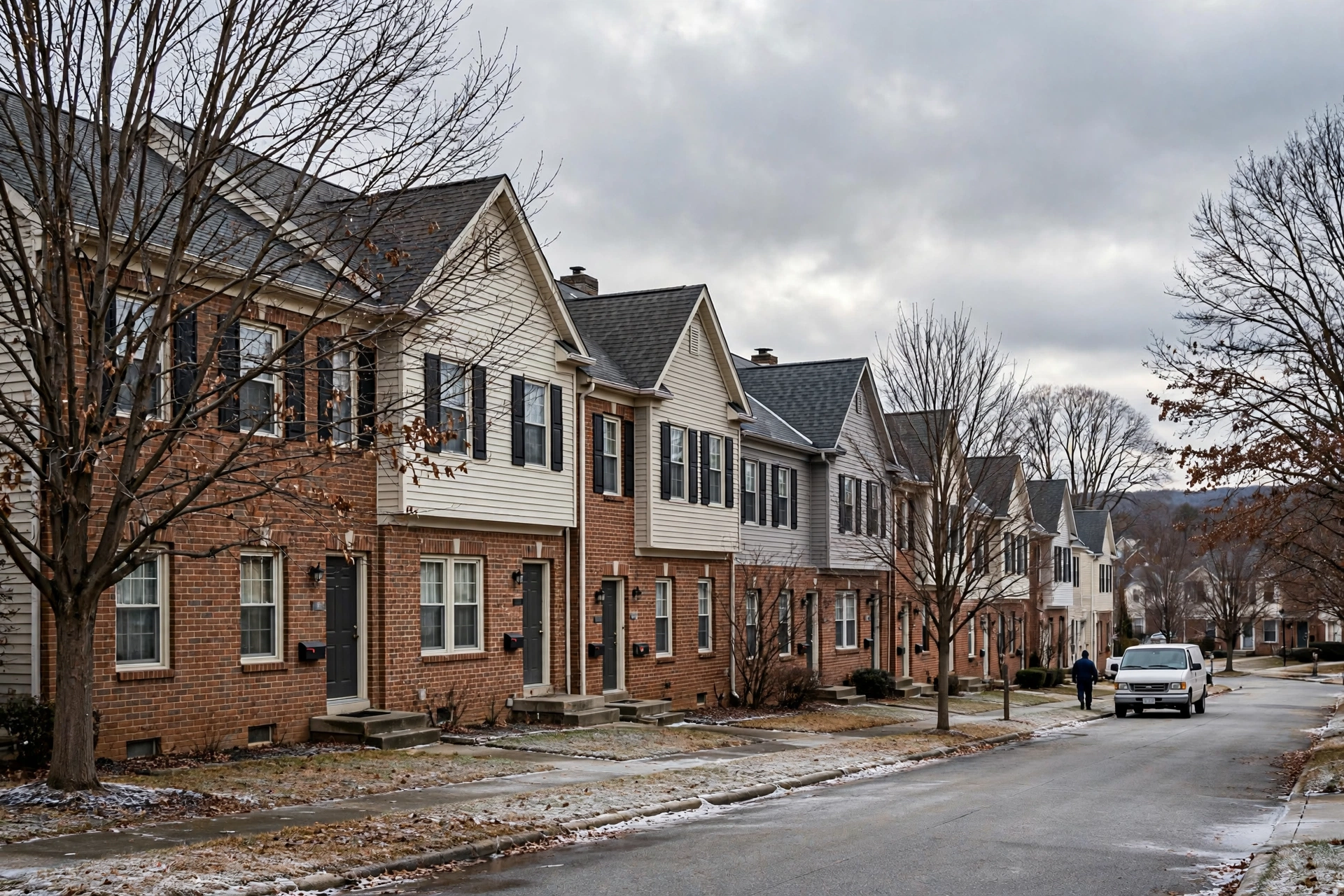
Townhome communities are a large part of Middletown growth, and their furnaces live in closets, attics, and small utility rooms where space is tight and airflow is easily blocked. A furnace closet that has become a storage cupboard, a filter hidden behind a water heater, or a return vent covered by furniture can all starve a system of air and cause it to run long, run hot, or shut down. Clearing those basics is often the most effective repair in a townhome.
Shared walls change heating as well. A middle townhome gains heat from neighbors on both sides and may need less furnace run time than an end unit, which faces wind and cold on an exposed side. That difference means two identical furnaces in the same row can behave very differently, and a thermostat setting that works for one unit may leave another cold. We account for position in the row when we assess a townhome furnace, rather than treating every unit as the same house.
Townhome venting also runs along rows of homes, and terminations need to stay clear of snow, ice, leaves, and debris for the system to vent safely. A blocked termination can cause a safety shutdown that looks like a furnace failure, and it can be hard to spot from inside a single home. We check exterior terminations as part of every townhome visit in Middletown.

Exposed Lots and Winter Wind on Former Farmland
Many Middletown subdivisions sit on former farmland where young trees and shrubs have not yet grown tall enough to break the wind. Winter wind crosses those open lots at full strength, pressing against the windward side of a house and finding gaps around doors, windows, and garage doors. A home on a corner lot, or at the edge of a subdivision facing open fields, will lose heat faster than a similar home tucked inside the subdivision, and its furnace will cycle more often through a cold snap.
That extra cycling wears ignition parts and motors, and it can make a home feel drafty even when the furnace is working correctly. We pay attention to which side of a Middletown house faces the open ground, and to whether the garage, which is often attached and poorly insulated, is pulling heat from adjacent rooms. Insulating a garage wall or sealing a drafty door can sometimes improve comfort more than any change to the furnace itself.
Homeowners on exposed lots can help by noting which rooms cool first on windy nights and by keeping weatherstripping in good repair. Sharing those observations during a visit lets us focus on the exposed side and the rooms that actually struggle, rather than treating the house as if every wall faced the same wind.
- Note which rooms cool first on windy nights, especially on corner and edge lots.
- Keep weatherstripping and garage door seals in good repair through winter.
- Keep the mechanical space and its vents clear of stored items.
Historic Main Street Homes in a Growing Town
Middletown Main Street and the streets around it hold older homes that predate the subdivision boom, with the proportions, plaster walls, and tall windows of an earlier town. Heating those homes evenly requires attention to architecture, since warm air rises to high ceilings, stairwells move air between floors, and additions built at different times heat through different routes. A furnace in a Main Street home needs to be judged on how it serves the whole house, including rooms that were added long after the original heating system was installed.
Older Middletown homes also sit closer to the town center, where traffic, mature trees, and neighboring buildings create a sheltered microclimate that is quite different from the open subdivisions outward. That shelter helps in winter, but mature trees also drop leaves that can block vents, and older masonry chimneys need inspection for moisture and freeze damage. We look at those details, since a chimney or flue problem can cause a furnace to shut down or vent poorly.
Renovations in the historic core often preserve the exterior while changing the interior, moving walls, opening kitchens, and finishing upper floors. Each of those changes alters how heat moves, and a furnace assessment that ignores the renovation will miss the reason a room stays cold. We walk the house as it stands today, room by room, before recommending a repair or a replacement.
Freeze and Thaw Cycles in Southern New Castle County
Middletown winters follow the Delaware pattern of cold snaps broken by thaws, and that freeze and thaw cycle is hard on furnaces and on the houses around them. Condensate lines can freeze and block, exterior vents can ice over, and masonry around flues absorbs meltwater and then freezes, expanding and cracking over seasons. A furnace that drained properly on a mild day may shut down after a refreeze night, and the cause may be at the exterior termination rather than inside the furnace cabinet.
Newer Middletown homes with high efficiency furnaces produce condensate that must drain reliably through winter, and a drain line that runs through an unheated garage or along an exterior wall is vulnerable to freezing. We check those routes during late winter visits, and we clear any blockage before it causes a shutdown. Homeowners can watch for water pooling near the furnace or for a system that restarts repeatedly, both of which point to a drainage or vent issue.
Thaw days also bring meltwater toward foundations, and a mechanical room that stays dry in summer can take on water in late winter. That water can reach blower motors and controls if it is not addressed, so we check for standing water near equipment after a thaw, and we talk through drainage around the foundation where it affects the furnace room.
Repair or Replace Decisions for Middletown Homeowners
Middletown homeowners often face a furnace decision soon after moving in, whether the system came with a new home and is already showing uneven heating, or whether an older home in the historic core has a furnace that has served for many seasons. The right choice depends on the furnace condition, how often it has needed attention, whether it heats evenly, and the state of the ductwork and the house as it stands today. We explain those factors plainly, so a decision can be made without pressure and without jargon.
When replacement is the right path, sizing matters more than any single feature. A furnace sized for the original house, without accounting for additions, finished rooms, window upgrades, or insulation changes, will either short cycle or run constantly on the coldest nights, and both patterns wear equipment and waste comfort. We measure the home as it is today, including rooms that are now lived in differently than when the original furnace was installed.
The practical factors that shape the scope of a project include the size of the home, the type of system already in place, the condition of the ductwork, and the layout of the mechanical space. Laying those out in advance means a Middletown homeowner knows what a project involves before work begins, and can plan around family schedules, work, and the heating season itself.
- Weigh repair against replacement on furnace condition, evenness of heating, and duct condition.
- Size any replacement to the home as it stands today, including additions and finished rooms.
- Ask about the size of the home, system type, duct condition, and mechanical space before deciding.
Middletown Homes Near Warwick Park and the Greenway Trails
Middletown Warwick Park, with its trails, fields, and woodland along the Appoquinimink tributaries, anchors a growing area of subdivisions on the western side of town, and homes near the park enjoy open space that also shapes winter heating. Parkland offers little windbreak in winter, so wind crosses fields and trails and reaches nearby homes at full strength, while wooded sections keep nearby roofs and vents damp longer after rain. A furnace near the park therefore faces both wind exposure and dampness, depending on which side of the house faces the open ground and which faces the trees.
Greenway trails through Middletown connect neighborhoods to the park and to each other, and homes along those trails often sit on lots that back onto open corridors rather than onto neighboring houses. That backing onto open ground means the rear of the house, where bedrooms often sit, faces wind and cold more directly than the front, and those bedrooms are frequently the rooms that stay cold on windy nights. We note rear exposure when we assess a Middletown home near a trail or park edge, since a thermostat in a front room may not reflect what the rear bedrooms need.
Newer homes near Warwick Park also tend to have larger footprints, with bonus rooms, finished basements, and open plan living spaces that change how warm air should be delivered. A furnace that was sized and ducted for a simpler layout may struggle to serve a bonus room over a garage or a finished basement that is now lived in daily, and those rooms need airflow attention alongside any furnace work. Checking duct runs to those spaces, and noting which rooms are actually lived in through winter, helps a visit focus on comfort where the family spends its time.
Furnace Questions in Middletown?
Tell us what your furnace is doing and where you are, and we will help arrange the next step.
Why does my new Middletown home heat unevenly?
New homes can have unsealed duct joints, construction dust in the system, or a thermostat placed in a room that warms faster than the rest of the house. A first maintenance visit often finds those installation details and corrects them while they are still simple.
Does an end townhome heat differently from a middle unit?
Yes, because a middle unit gains heat from neighbors on both sides while an end unit faces wind and cold on an exposed wall. Position in the row, along with airflow and thermostat placement, shapes how each unit heats.
Why does my furnace struggle on windy days in a new subdivision?
Young landscaping on former farmland has not yet grown into a windbreak, so wind reaches houses at full strength and strips heat from the windward side. Draft sealing and attention to the exposed side help the furnace keep up.
Why does my furnace shut down after a thaw and refreeze?
Freeze and thaw cycles can freeze condensate lines, ice over exterior vents, and send meltwater toward foundations. A safety shutdown in those conditions often points to a blocked drain or vent rather than to a failed furnace part.
How do I decide between repairing and replacing my Middletown furnace?
Consider furnace condition, repair history, evenness of heating, and duct condition, along with the size of the home and the type of system in place. Those practical factors, laid out plainly, make the choice clearer.
Furnace Questions in Middletown, Answered
Not seeing your question? Request service and tell us what your furnace is doing.
Arrange a Furnace Visit in Middletown