Emergency Furnace Repair
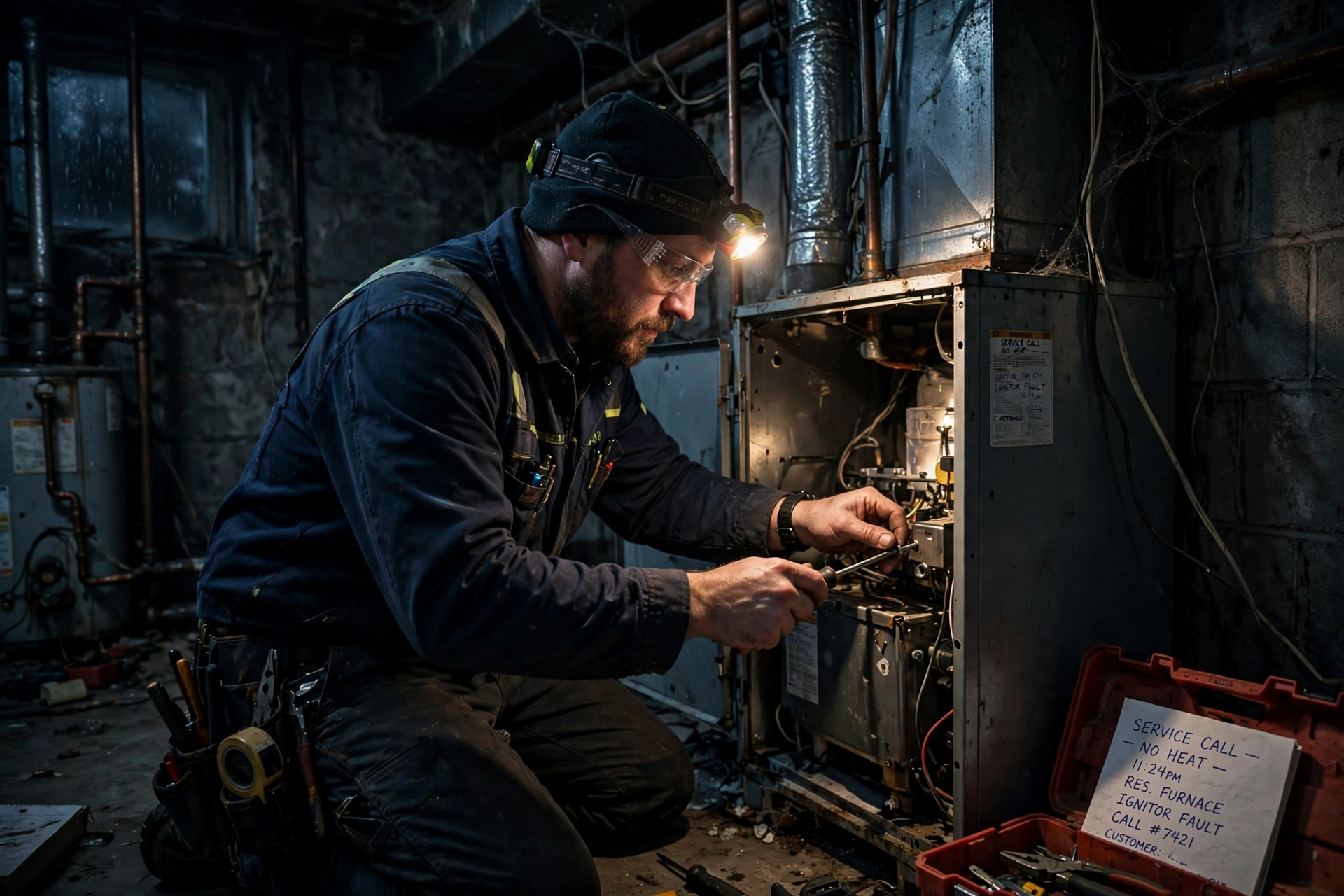
Emergency furnace repair covers a furnace that has stopped heating, is making unsafe sounds, or is showing sig…
Learn moreA furnace that is not heating properly rarely fails all at once. More often it gives warnings first: rooms that never quite warm up, heating cycles that run longer than they used to, a new rattle or hum, a burner that lights and then goes out, or a system that needs resetting more often than it should. Paying attention to those early signs is the difference between a straightforward repair and a breakdown on the coldest night of the year.
Delaware homes present a wide range of furnace types and ages. Wilmington and Newark have older housing stock with furnaces that have served for many seasons, while newer developments around Middletown and the beach towns have modern units with electronic controls and sensors. Coastal humidity and salt air, freeze and thaw cycles, and long stretches of steady winter running all shape how furnaces wear, and a good repair starts by understanding the system in front of you rather than applying a one size answer.
Delaware Furnace Pros approaches furnace repair as diagnosis first and parts second. A technician tests the system in sequence, from thermostat signal through ignition, flame sensing, airflow, and safety controls, so the repair addresses the real cause instead of the most visible symptom. This page covers the warning signs worth acting on, the most common faults, what a repair visit involves, and how to keep a repaired furnace running well.
Uneven heating is one of the earliest and most useful warnings. When some rooms stay cold while others overheat, the cause may be airflow trouble, duct problems, a struggling blower, or a furnace that is short cycling and never completing a full heating cycle. Uneven heat is easy to dismiss as a quirk of an older house, but it usually points to a system that is working harder than it should and wearing faster as a result.
Sounds and smells tell their own story. A new banging sound at startup can mean delayed ignition, a grinding or squealing noise often points to a blower motor or belt problem, and a persistent burning smell after the first minutes of operation deserves attention rather than patience. Soot marks around the furnace, a yellow or flickering burner flame instead of a steady blue one, and a pilot or ignition system that needs frequent attention are all reasons to schedule a repair visit promptly.
Rising effort is a quieter warning. If the furnace runs noticeably longer to reach the same temperature, cycles on and off in rapid bursts, or needs its breaker or reset button used more than once in a season, something in the system is drifting out of condition. Catching those changes early usually means a smaller repair, while ignoring them lets a worn part strain the parts around it until several things fail together.
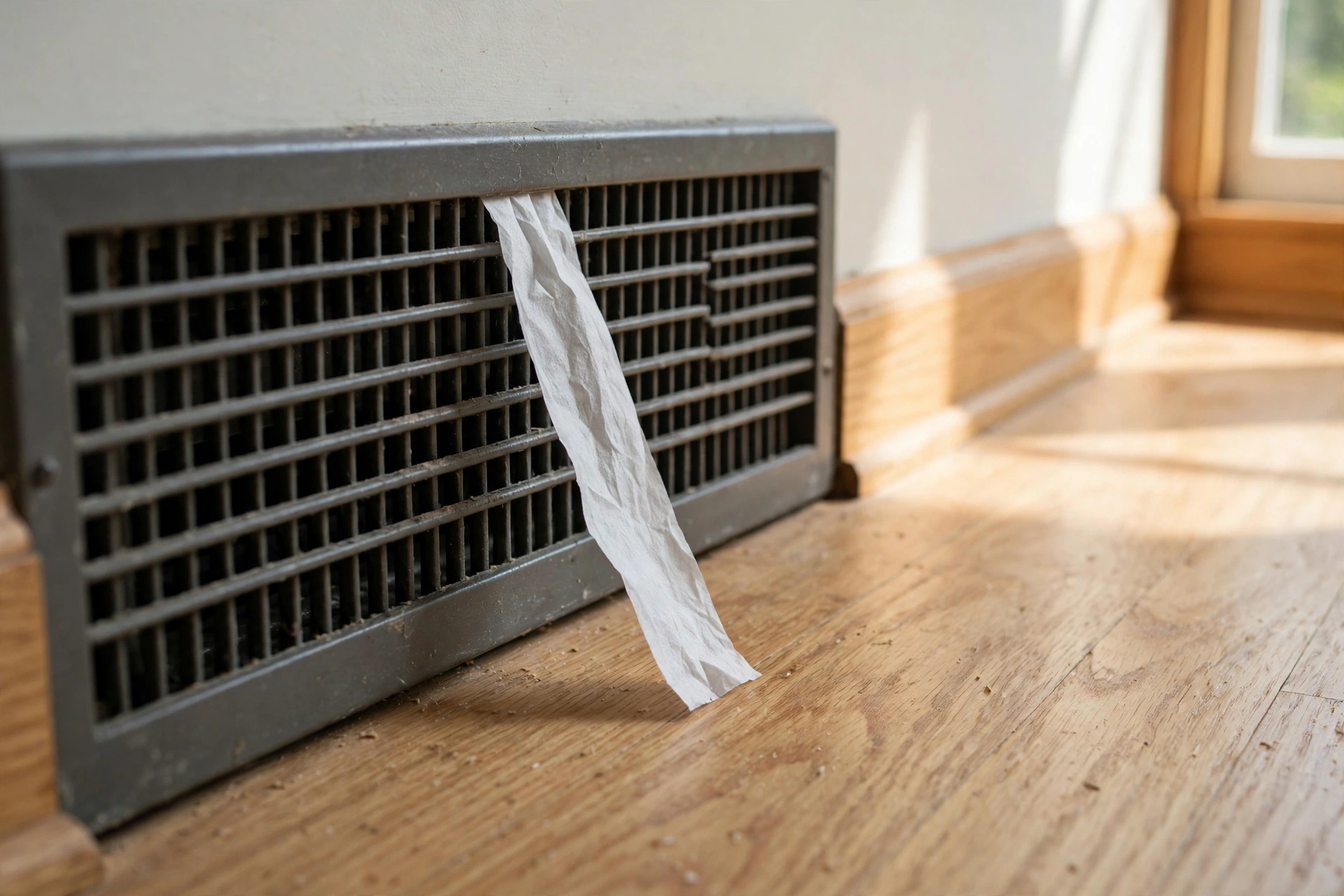
Good diagnosis follows the heating chain in order. The technician starts at the thermostat, confirming that it is calling for heat and sending the right signal, then checks power supply, fuses, and the control board. From there, the inspection moves to the ignition system, gas valve where fitted, flame sensor, and safety switches, and finally to the blower, airflow, and venting. Testing in sequence matters because a fault early in the chain can mimic a fault later in it, and replacing a downstream part without checking the upstream cause wastes time and money.
Observation plays as large a role as instruments. A technician watches a full heating cycle from startup to shutdown, listening for delayed ignition, checking how quickly the blower engages, and noting whether the flame stays steady. Temperature rise across the furnace, airflow at registers, and the behavior of safety controls are all checked against what the system should do, not just whether it happens to be running at that moment.
The result of diagnosis should be an explanation you can understand. You should hear what failed, why it likely failed, whether related parts show wear that could cause a second visit soon, and what the repair will involve. If more than one repair path exists, the technician should lay out the options honestly, including when a repair is worth doing and when replacement deserves a conversation, so the decision stays yours.
Ignition faults are the single most common reason a gas furnace stops heating. Modern furnaces use a hot surface ignitor or a spark system to light the burners, and ignitors wear with every heating cycle until one day they simply do not glow hot enough to light the gas. The furnace tries, fails, and locks out for safety, which is why the house can go from warm to cold with no warning sound at all.
Flame sensors cause a different but equally frustrating symptom: the burners light, run for a few seconds, and then shut off. A flame sensor coated in residue cannot confirm that a flame is present, so the control board shuts the gas off as a safety measure. Cleaning or replacing a flame sensor is a routine repair, but it requires care, because the sensor sits in the burner area and must be handled and positioned correctly to read the flame reliably.
Older furnaces with standing pilots have their own ignition troubles, from thermocouples that no longer hold the gas valve open to pilots that blow out or burn weakly. Whatever the ignition type, the repair principle is the same: confirm the ignition sequence, test each component in it, and replace only what has actually failed. A furnace that lights promptly and holds a steady flame is a furnace that will heat without drama through the next cold stretch.
The blower is the part of the furnace you experience most directly, because it moves warm air through your home. A blower motor that is failing may hum without starting, run noisily, or stop partway through a cycle, leaving rooms cold even though the burners are firing. Capacitor failures produce a similar symptom, with the motor struggling to start, and a technician can usually distinguish a capacitor problem from a motor problem with simple testing before recommending a replacement.
Airflow problems often hide behind a blower complaint. A clogged filter is the most common culprit, and it can overheat the furnace, trigger safety shutdowns, and strain the blower all at once. Closed or blocked registers, crushed or disconnected duct sections, and a blower wheel coated in dust all reduce airflow in quieter ways, and part of a repair visit is checking that warm air can actually travel from the furnace to the rooms that need it.
Thermostat repairs sit at the other end of the system. A thermostat with weak batteries, loose wiring, a failing sensor, or a location that reads the wrong temperature, such as a wall warmed by sunlight or chilled by a draft, can make a healthy furnace behave badly. Replacing or relocating a thermostat, or upgrading to a model that matches how your household actually uses heat, sometimes solves a heating complaint that looked like a furnace failure.
Most furnace faults are worth repairing, especially when the system is otherwise sound and the failed part is a common wear item such as an ignitor, sensor, capacitor, or thermostat. A single repair on a well maintained furnace usually returns years of reliable service, and there is no reason to replace a system for a fault that a straightforward part replacement solves completely.
The conversation changes when repairs become frequent, when several major components fail in the same season, or when the furnace can no longer heat the home evenly no matter what is repaired. A cracked heat exchanger is a different category altogether, because it is a safety issue that generally means the furnace should not run, and replacement becomes the responsible recommendation. A technician should be direct about that distinction rather than suggesting repeated repairs on a system that cannot be made safe.
Age and condition matter, but they are not the whole story. A well maintained older furnace can outlast a neglected newer one, and a furnace in a coastal home may age faster than the same model inland because of salt air exposure. The right question is not simply how old the furnace is, but how reliable it has been, how much of the system is still in good condition, and whether the next repair is likely to be the last one for a while or the first of several.
After a repair, the simplest habits protect the investment. Replace filters on the schedule that fits your home and system, keep vents and returns clear of furniture and rugs, and listen for changes in how the furnace sounds at startup. Small changes noticed early are the cheapest problems you will ever have, because they let a technician address wear before it becomes failure.
A maintenance visit after a repair is also good practice, particularly if the repair revealed dust buildup, airflow trouble, or other components showing wear. Maintenance is a different kind of visit from repair: it inspects and tests the whole system at a calm pace, cleans what needs cleaning, and gives you a clear picture of what to watch in the coming season. For Delaware homeowners, scheduling that visit in early autumn means the furnace enters winter tested rather than merely repaired.
Finally, keep a simple record of repairs, including what failed and when. A pattern over two or three seasons tells you more than any single visit can, and it helps the next technician see whether a fault is isolated or part of a trend. That record also supports an honest replacement conversation if one ever becomes necessary, because it is built on your system's actual history rather than guesswork.
Describe what your system is doing and we will help arrange the next step.
The burners may not be lighting, the blower may not be moving air, or a thermostat or airflow problem may be interrupting the heating cycle. Diagnosis follows the chain from thermostat to blower to find the real cause.
Short cycling often points to airflow trouble, a clogged filter, an oversized system, or a thermostat problem. A technician checks airflow, safety controls, and thermostat placement to narrow it down.
Yes, it deserves attention. A steady blue flame is normal for a gas furnace, while a yellow or flickering flame can indicate combustion or venting trouble and should be inspected promptly.
Many common repairs, such as an ignitor, flame sensor, capacitor, or thermostat, are completed in a single visit. Less common parts may require a follow up visit, and the technician will explain that before work begins.
A single repair on an otherwise sound furnace is usually worthwhile. Replacement deserves a conversation when repairs become frequent, several major parts fail together, or a safety issue such as a cracked heat exchanger is found.
Maintenance cannot prevent every failure, but it catches wear, dirt, and airflow problems early, which reduces the chance of a sudden breakdown during cold weather.
Not seeing your question? Request service and describe what your system is doing.
Get Furnace Repair HelpEmergency furnace repair covers a furnace that has stopped heating, is making unsafe sounds, or is showing sig…
Learn more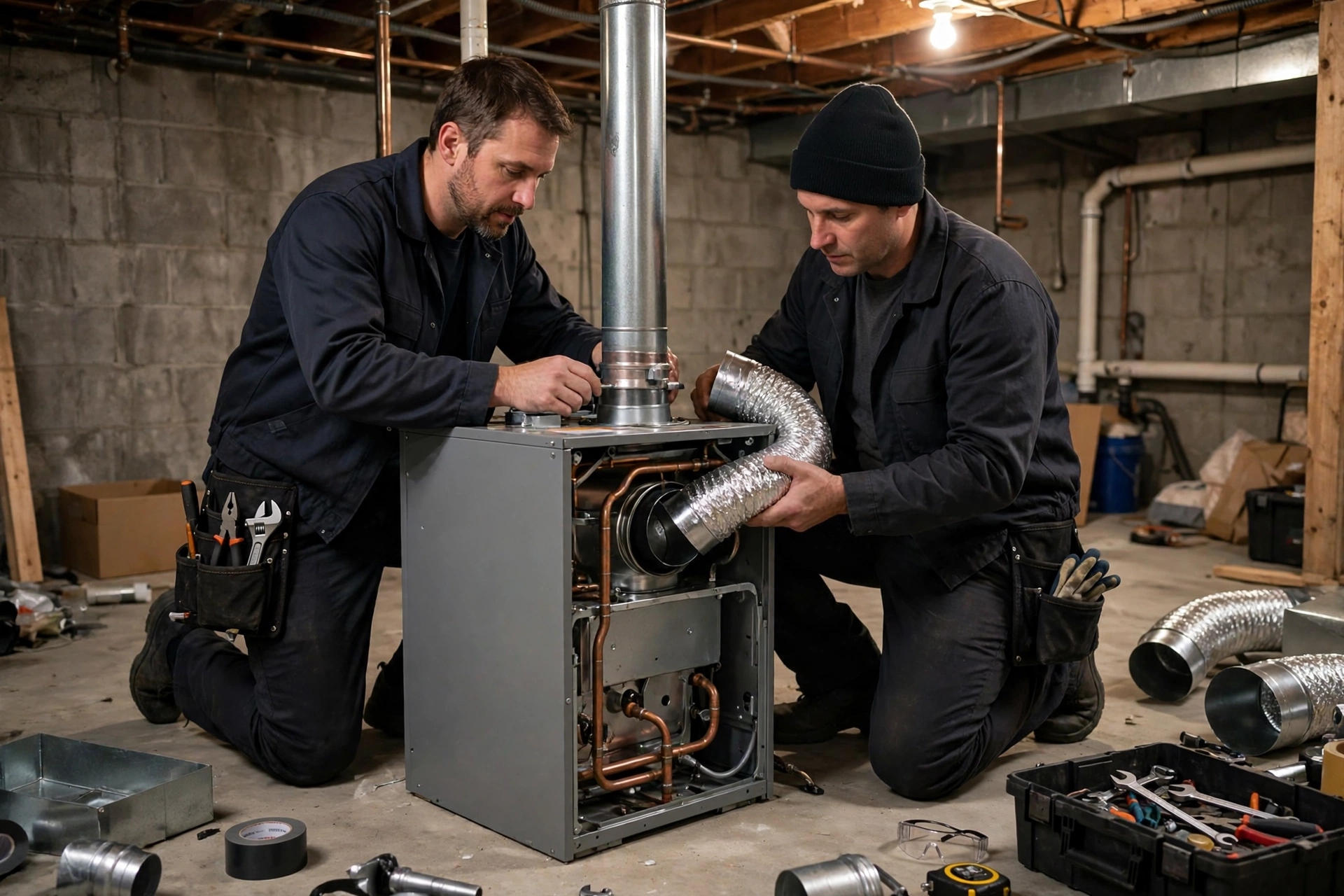
Furnace installation means choosing a system sized to your home and ductwork, removing the old unit safely, an…
Learn more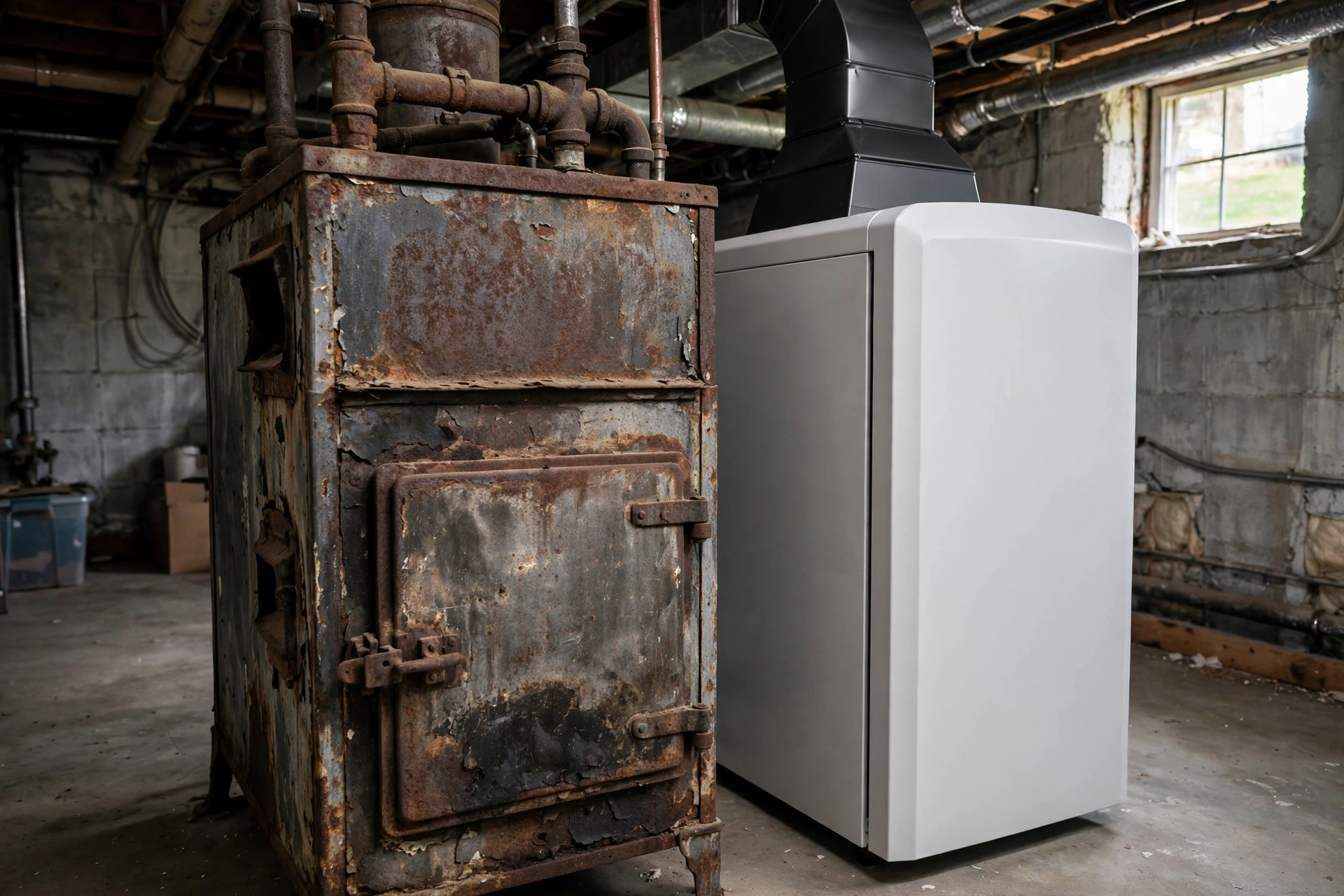
Furnace replacement is the right move when an older system needs frequent major repairs, cannot heat the home …
Learn more