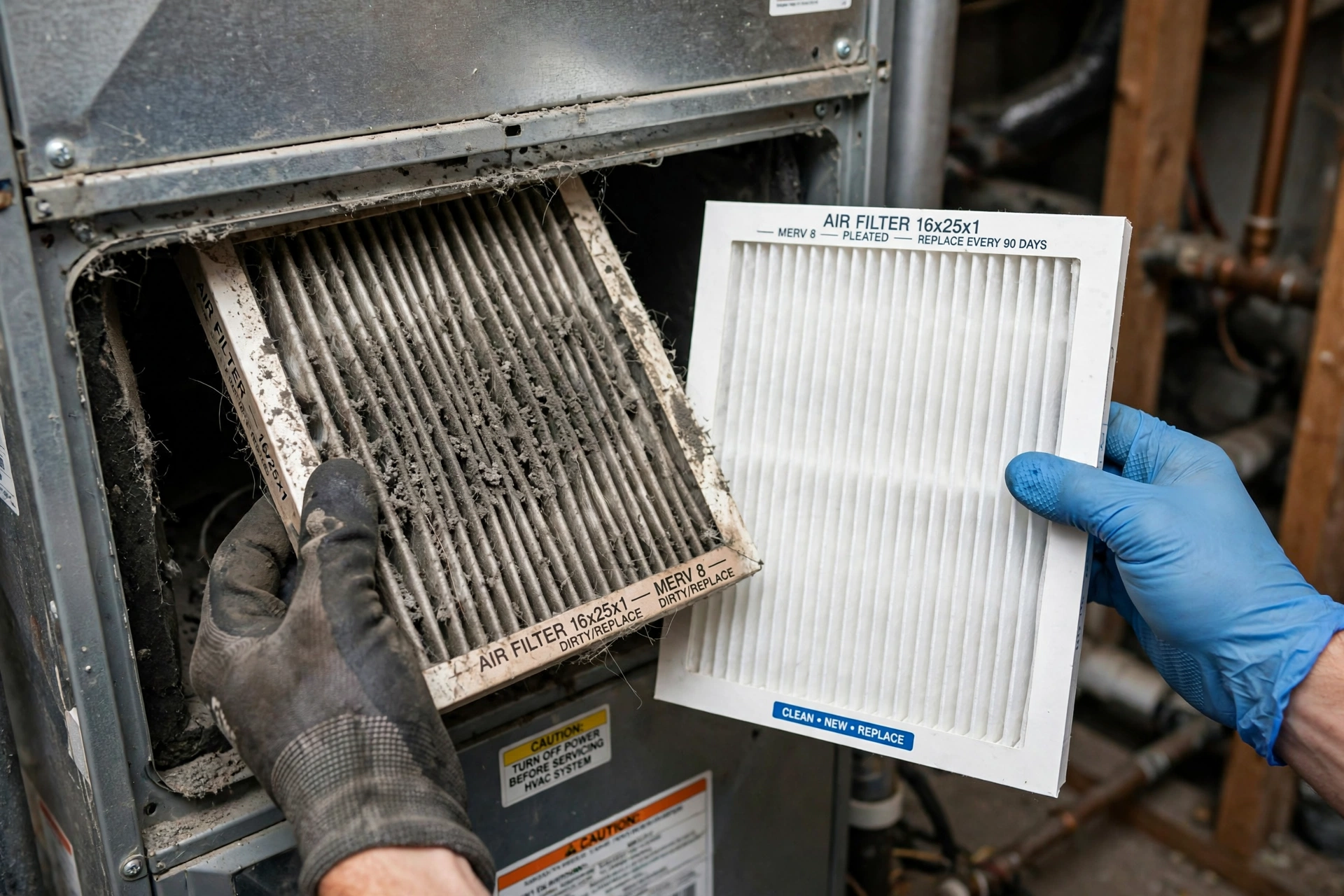
Furnace Maintenance Checklist for Fall in Delaware
Fall furnace maintenance means changing the filter, testing the heating cycle before cold weather arrives, cle…
Learn more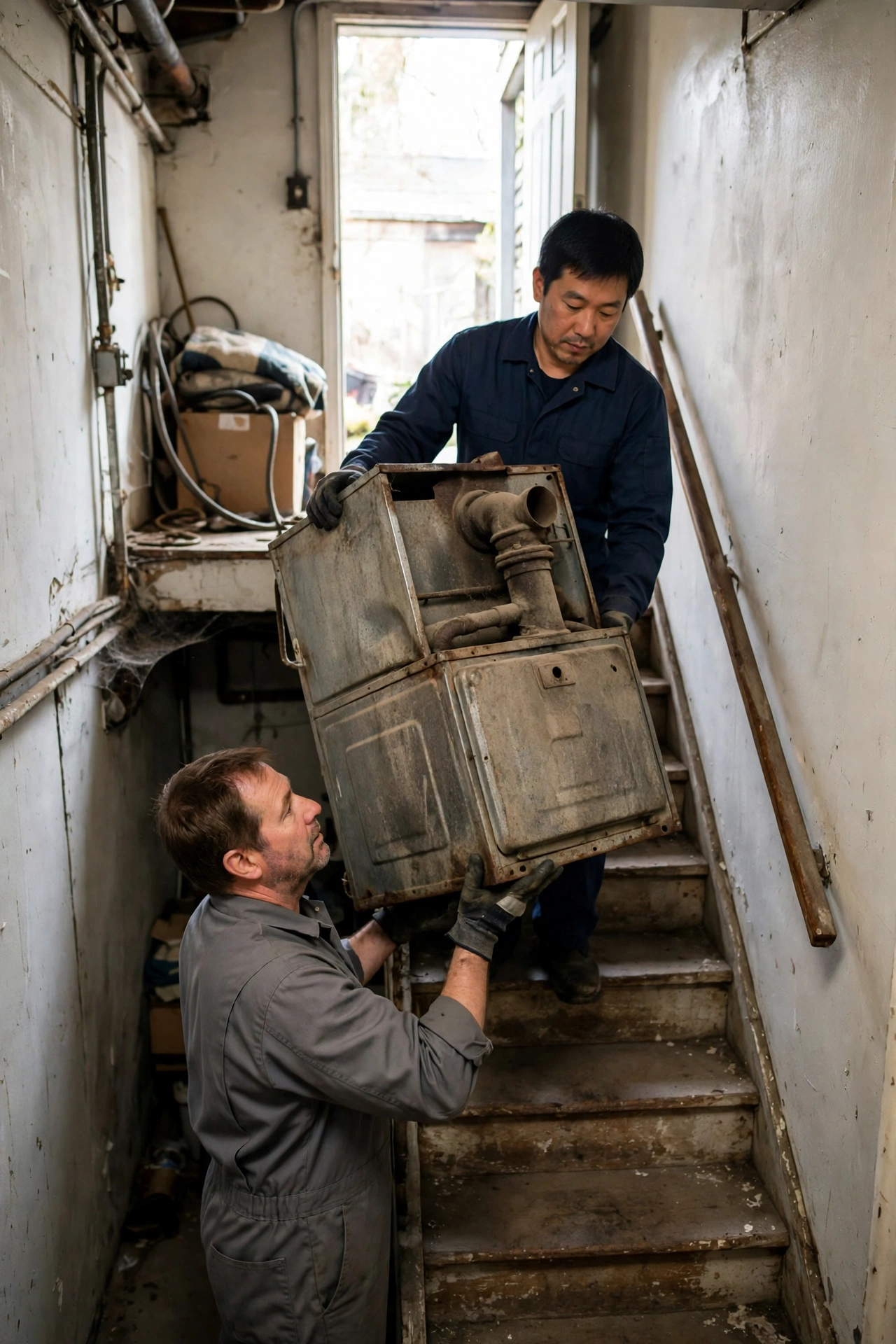
Homeowners often ask how long a furnace should last, hoping for a single number they can plan around. The honest answer is that lifespan varies widely, because two identical furnaces can age very differently depending on how they were installed, how often they were serviced, and what kind of home they heat.
Delaware adds its own pressures. Humid summers, freeze and thaw cycles, and salt air near the coast all wear on heating equipment over time. A furnace in a dry, mild climate faces an easier life than one cycling through Delaware winters in a drafty older home, so local conditions deserve a real place in the conversation.
Rather than chasing a magic number, this guide looks at what actually determines furnace life, the warning signs that a system is nearing the end, and the habits that add years to a furnace you already own. It also covers how to plan a replacement on your own schedule instead of during a midwinter breakdown.
Installation quality is one of the strongest predictors of furnace life. A system sized correctly for the home, connected to sound ductwork, and set up with proper airflow runs shorter, gentler cycles and experiences less stress on its parts. An oversized or undersized furnace, by contrast, cycles too often or runs too long, and both patterns wear components faster.
Maintenance history matters just as much. Annual professional service catches small issues before they strain the system, while a furnace that goes years without attention accumulates dust, worn parts, and airflow problems that quietly shorten its life. Homeowner habits count too, especially regular filter changes, which protect the blower and heat exchanger from the strain of restricted airflow.
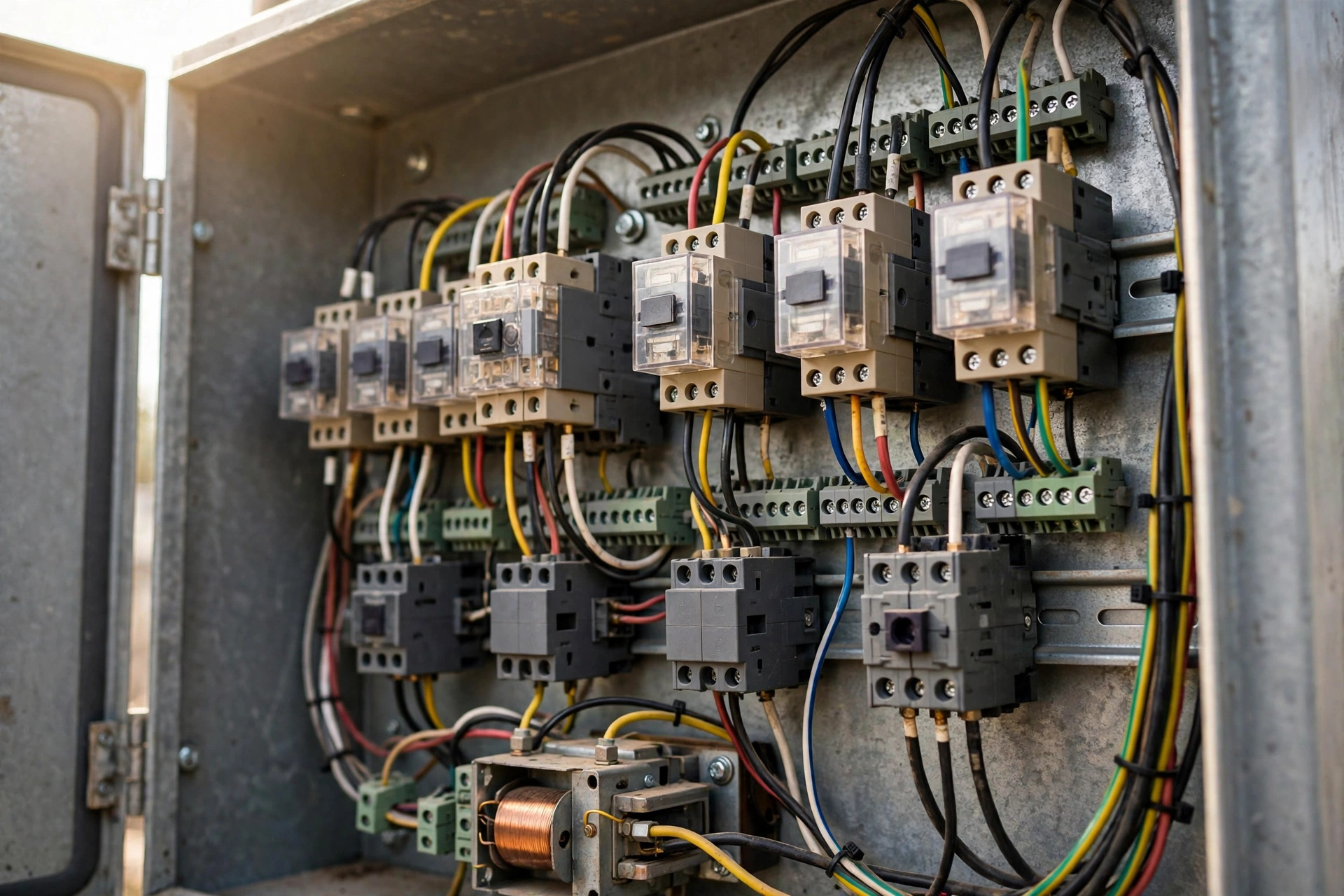
Delaware humidity works on a furnace even in months when it is not heating. Moisture in basements and crawl spaces encourages rust on metal parts, and rust weakens heat exchangers, burners, and cabinets over time. Homes with damp lower levels tend to see faster corrosion, which is one reason controlling basement moisture helps heating equipment as well as the house itself.
Near the coast, salt air adds another layer of wear. Salt accelerates corrosion on metal components, including parts of outdoor equipment and any furnace components exposed to incoming coastal air. Inland homes face less of this pressure, so two furnaces of the same age can look very different inside depending on how close they sit to the shore.
Age alone is not a verdict, but age combined with symptoms tells a story. Rising repair frequency is the clearest signal: when breakdowns become a regular event rather than a rare one, the system is often telling you its major components are wearing out together. Uneven heating, rooms that never quite warm up, and a furnace that struggles on moderately cold days also point to decline.
Other signs include unusual noises that persist after service, such as rattling or banging, a burner flame that looks yellow rather than blue, and visible rust or cracks on the heat exchanger or cabinet. A cracked heat exchanger is a serious safety concern, since it can allow combustion gases into the home, and it generally means replacement rather than repair.
Some repairs genuinely extend a furnace life, especially when the system is otherwise sound. Replacing a worn blower motor, a failed ignition part, or a faulty control board can return a midlife furnace to reliable service. These are component failures, and fixing them addresses a specific weak point without implying the whole system is spent.
Other repairs are less worthwhile. When a heat exchanger fails, when multiple major parts fail in quick succession, or when repair spending approaches the value of the system itself, replacement usually makes more sense. A technician can help weigh this honestly, but the pattern of breakdowns is often the best guide: isolated failures favor repair, while cascading failures favor replacement.
The worst time to replace a furnace is during a cold snap, when choices are rushed and schedules are tight. If your system is aging and showing symptoms, planning a replacement during milder weather gives you time to compare options, consider sizing and efficiency features, and schedule the work without pressure. It also avoids the discomfort of a home without heat while decisions are made.
Planning ahead also lets you address related issues at the same time, such as duct leaks, poor insulation, or a thermostat that no longer suits the home. A new furnace installed into a leaky duct system will still struggle, so thinking of the heating system as a whole, rather than a single box, leads to better comfort and longer life for the new equipment.
Once a new furnace is installed, the habits that protect it are simple and consistent. Change filters on schedule, keep vents and registers unblocked, keep the area around the furnace clear, and arrange professional service each year before heating season. These steps cost little compared with the price of early replacement, and they are the main difference between furnaces that last and furnaces that do not.
Pay attention to the home as well. Sealing drafts, improving insulation, and keeping humidity in check all reduce the workload on the furnace, which in turn reduces wear. A furnace that heats a tight, well-insulated home cycles less aggressively than one fighting drafts all winter, and that gentler workload shows up as years of extra service.
How a household uses its furnace shapes how fast it ages, sometimes as much as the equipment itself. Homes kept at a steady temperature around the clock ask for long, gentle cycles, which are easy on parts. Homes with deep temperature setbacks, where the furnace shuts down for hours and then works hard to recover, ask for more aggressive cycles, and frequent recovery runs add wear to ignition parts and the blower. Neither approach is wrong, but the pattern helps explain why two furnaces of the same age can be in very different condition.
Household factors add further variation. Pets and renovation dust clog filters faster, which strains airflow. A home with many occupants, or with doors constantly opened to cold air, cycles more often. A furnace serving a home that added rooms or finished a basement without ductwork changes works harder than it was sized for. Recognizing these patterns helps owners set realistic expectations: a furnace in a high-demand home may need earlier attention, and simple changes, such as steadier thermostat settings and diligent filter changes, can slow its aging noticeably.
One often overlooked factor is the thermostat schedule itself. A household that programs large swings, with the house cooling deeply during work hours and then demanding a fast recovery every evening, puts its furnace through a hard workout daily. Softening those swings, or keeping a steadier temperature during the coldest months, reduces the strain of recovery runs and lets the system settle into longer, gentler cycles. The change may feel small day to day, but across a whole winter it removes a great deal of cumulative stress from ignition parts, the blower, and the heat exchanger. Comfort often improves too, since rooms stay closer to a stable temperature instead of swinging between chilly and overheated.
Read the guide, then describe your furnace problem and we will help arrange the next step.
Fall furnace maintenance means changing the filter, testing the heating cycle before cold weather arrives, cle…
Learn more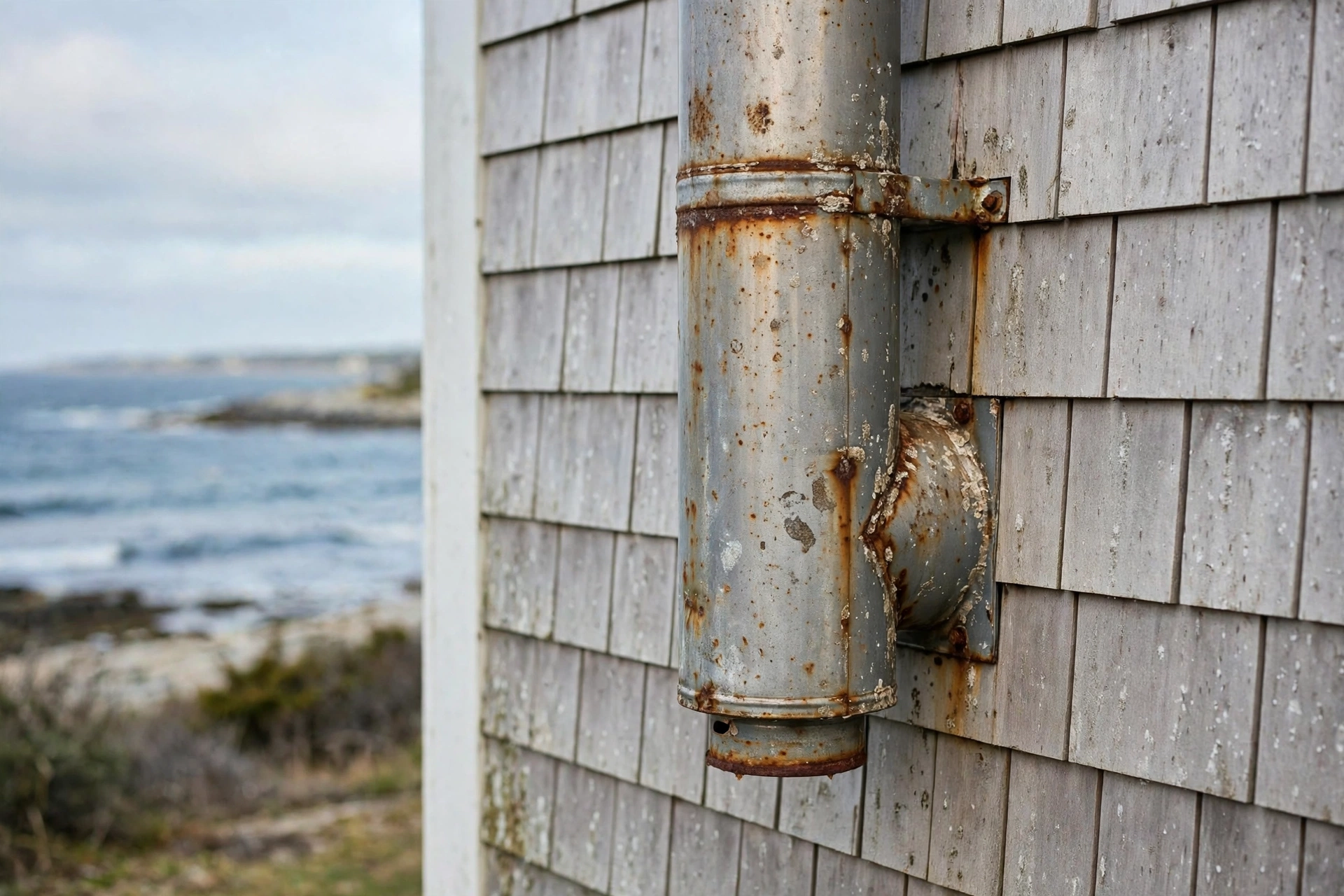
Coastal salt air accelerates rust and corrosion on furnace metal parts, and year-round Delaware humidity adds …
Learn more
A furnace often blows cold air briefly at startup while the heat exchanger warms up, but steady cold air usual…
Learn more