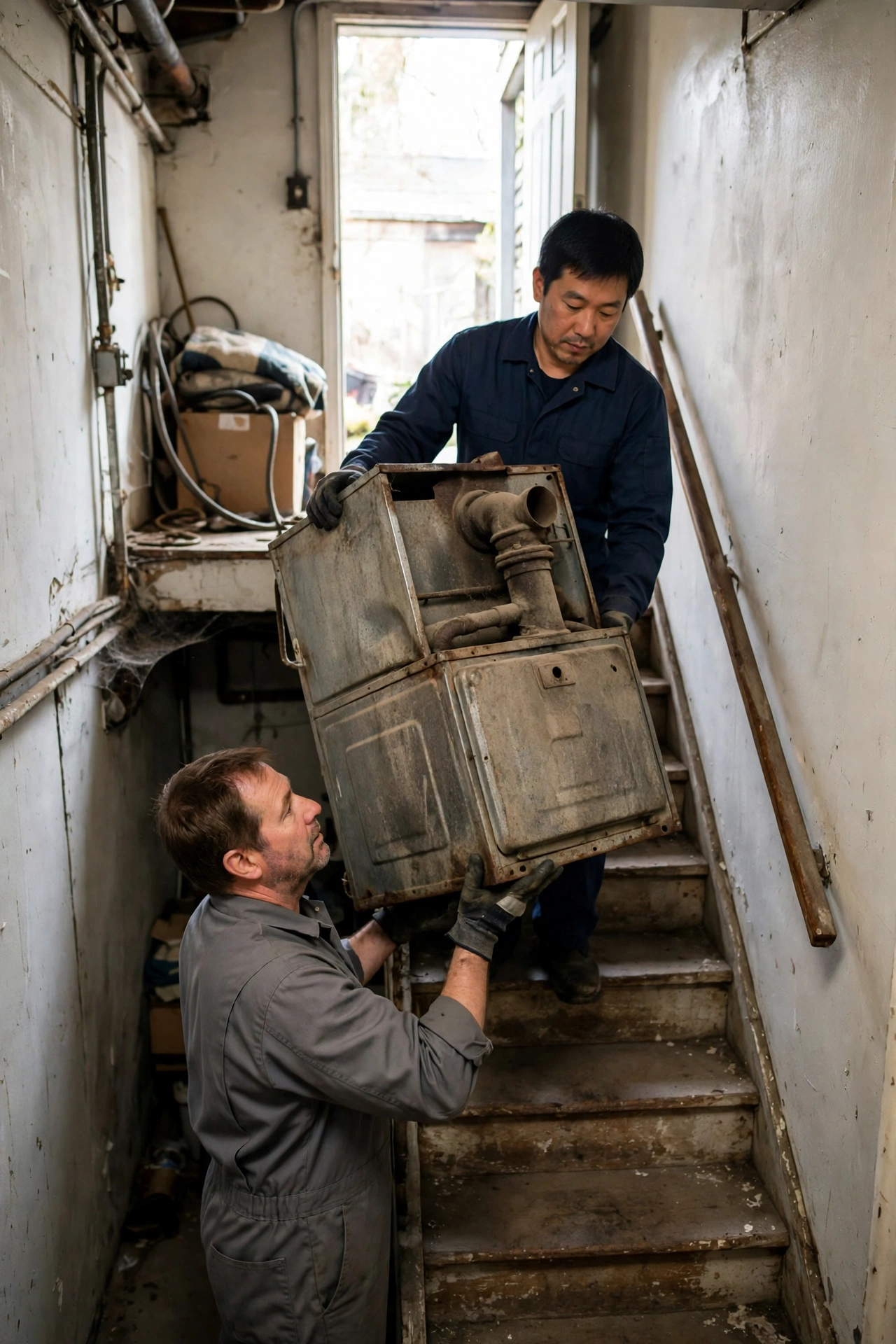
How Long Does a Furnace Last in Delaware Homes?
A well-maintained furnace in Delaware can serve a home for many years, but lifespan depends heavily on regular…
Learn more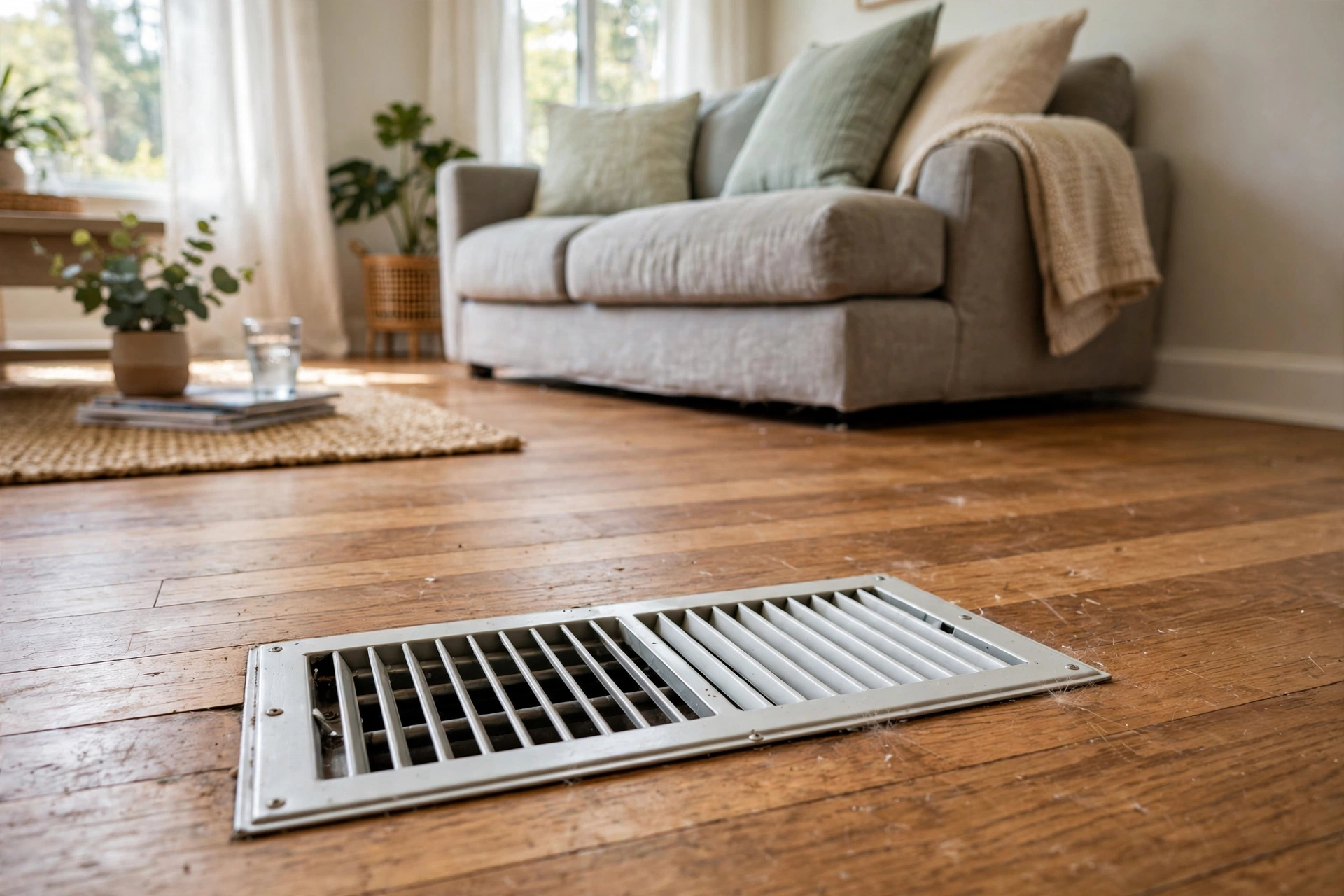
Few things are more unwelcome on a cold Delaware morning than standing over a vent and feeling cool air. Your first instinct may be that the furnace has failed, and sometimes that is true. Often, though, the cause is smaller and easier to fix, such as a thermostat set to fan only or a filter that has gone too long without attention.
Delaware winters bring sharp cold snaps that ask a lot of a heating system, especially in older homes where ductwork may run through unheated spaces. When outdoor temperatures drop, any weakness in the system shows up faster, and air that starts out warm can lose heat before it reaches a distant room.
This guide walks through the most common reasons a furnace blows cold air, in the order worth checking them. It also explains when to stop troubleshooting and bring in a technician, since some causes involve gas, electricity, or internal parts that are not safe for a homeowner to open up.
When a furnace first kicks on, the blower may start before the heat exchanger has fully warmed. For a short while, the air coming through the vents feels cool or lukewarm, and then it warms as the system reaches its normal operating temperature. This brief cool period is a normal part of how many furnaces run, and it is not by itself a sign of trouble.
The key detail is duration. If the air warms up within a few minutes and stays warm through the heating cycle, the system is likely working as designed. If the air stays cool for the whole cycle, or if it never warms at all, something else is going on and the checks below are worth working through.
The thermostat fan setting is the single most common cause of cold air complaints. When the fan is set to run continuously, it keeps blowing air between heating cycles, and that air is unheated room air. Switching the fan setting to auto means the blower runs only while the furnace is actively heating, which ends the stream of cool air between cycles.
It is also worth confirming that the thermostat is set to heat rather than cool, and that the set temperature is above the current room temperature. After a power interruption, some thermostats revert to default settings, so a quick look at the display can solve a mystery that feels like a breakdown. If the thermostat is blank, weak batteries are a likely culprit.
A clogged filter restricts airflow through the furnace, and restricted airflow can cause the heat exchanger to overheat. Many furnaces respond by shutting off the burners as a safety measure while the blower keeps running, which sends cool air through the vents. Homeowners often describe this as the furnace blowing cold, when in fact the burners have cut out to protect the system.
Checking the filter is a simple job. Slide it out and hold it up to the light. If you cannot see light through it, it is time for a replacement. Homes with pets, ongoing renovation dust, or occupants with allergies tend to clog filters faster, so checking often during heating season is a good habit that prevents a range of problems beyond cold air.
A furnace that cannot light its burners will blow unheated air, or it may blow no air at all depending on the design. Older furnaces use a standing pilot light that can go out in a draft, while newer models use electronic ignition parts that can fail with age or wear. In both cases, the blower may still run, which is why the vents feel cold rather than still.
Relighting a pilot is a task some homeowners handle, but only if the furnace instructions describe it clearly and you feel confident following them exactly. If you smell gas at any point, stop immediately, leave the house, and call for help from outside. Never keep trying to light a furnace that will not stay lit, since repeated attempts can allow gas to build up.
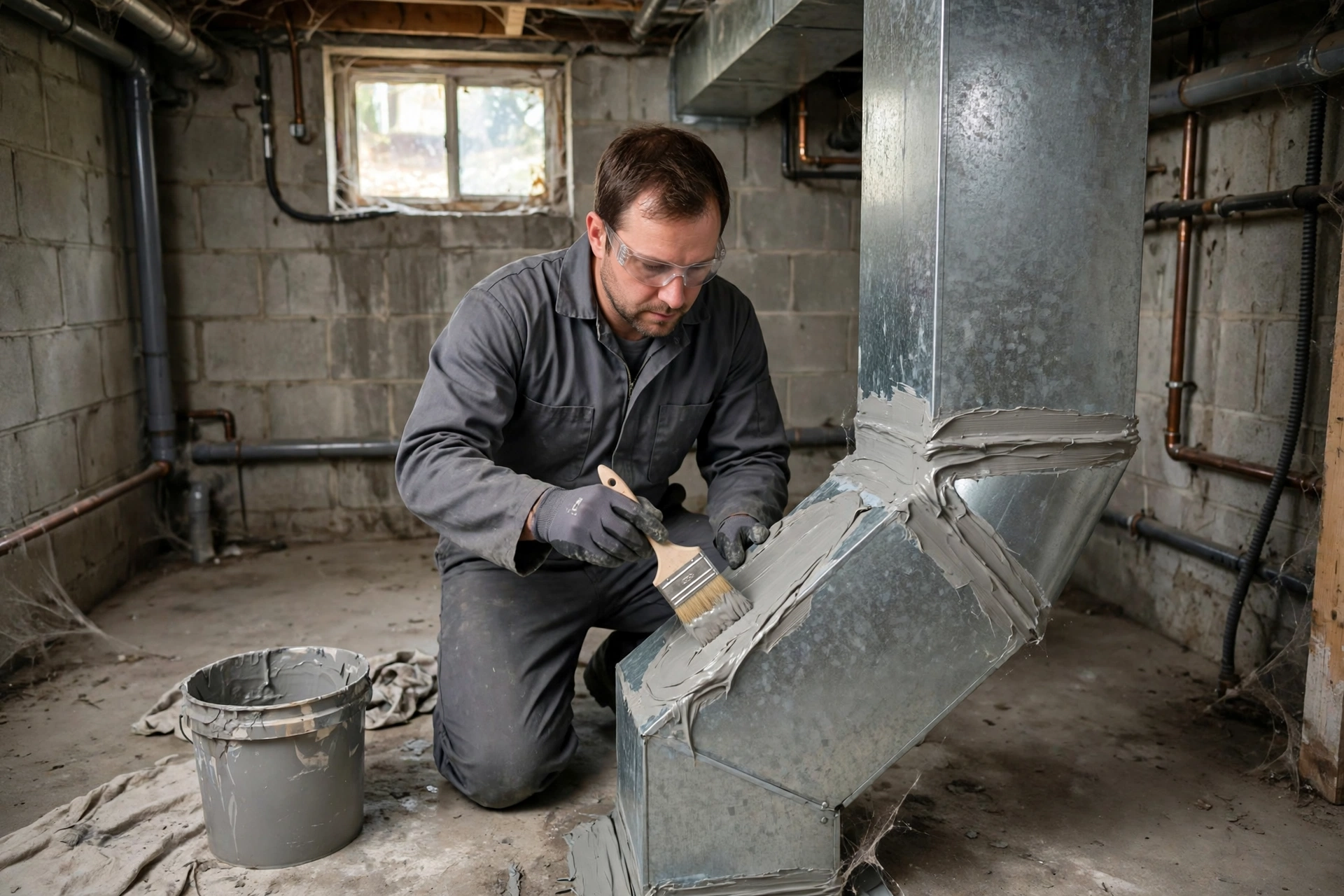
In many Delaware homes, ductwork runs through attics, crawl spaces, or garages that are far colder than the living space. A leak or a disconnected joint in those runs lets warm air escape before it reaches the room, and it can also pull cold air into the duct stream. The result is a vent that delivers lukewarm or cool air even though the furnace itself is heating properly.
Rooms farthest from the furnace tend to suffer most, so a pattern of weak or cool air in distant rooms while nearby rooms feel fine points toward the ducts rather than the furnace. Sealing accessible duct joints and insulating runs through unheated spaces are jobs that pay off in comfort across the whole house, and a technician can test the system for leaks you cannot see.
Some cold air causes are firmly technician territory. Repeated burner shutdowns, a pilot that will not stay lit, strange noises from inside the furnace cabinet, or a smell of gas are all reasons to stop and call a professional. Opening the furnace cabinet beyond the filter compartment risks damage to safety controls and can void protections that matter later.
When you call, it helps to describe what you have already checked, whether the air is cool at every vent or only some, and whether the problem started suddenly or grew worse over time. Those details help a technician arrive prepared and shorten the visit. If the house is losing heat fast during a cold snap, mention that too, so the visit can be prioritized appropriately.
Which rooms blow cold air tells you a great deal about where the problem lives. When every vent in the house delivers cold air, the trouble is likely at the furnace itself, such as a thermostat setting, an ignition failure, or a burner shutdown. When only one room or one side of the house is cold, the trouble is more likely in the ductwork serving that area, such as a leak, a disconnected joint, or a blocked run. That single observation can save a technician real diagnostic time and can save you from worrying about the wrong part of the system.
Timing matters too. Cold air that appears only at the start of a cycle and then warms up points to normal startup behavior or a fan setting issue. Cold air that appears partway through a cycle, after warm air was already flowing, suggests the burners shut off mid-cycle, which often traces back to overheating from restricted airflow or a safety control doing its job. Cold air that never warms at all points to ignition or fuel problems. Noting the pattern before you call turns a vague complaint into a useful description that helps the technician arrive with the right parts and the right plan.
Read the guide, then describe your furnace problem and we will help arrange the next step.
A well-maintained furnace in Delaware can serve a home for many years, but lifespan depends heavily on regular…
Learn more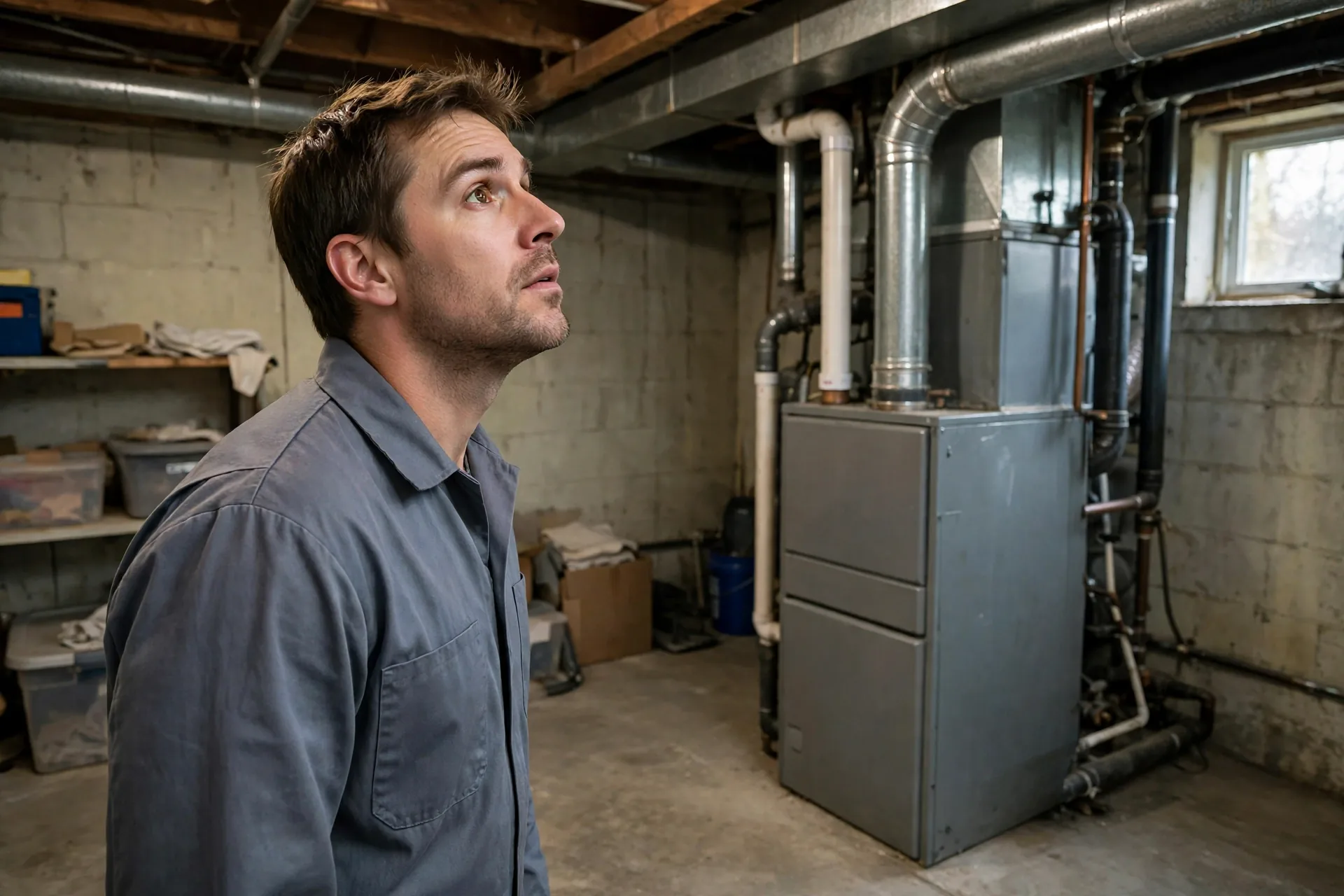
A brief dusty burning smell when the furnace first runs in fall is usually harmless dust burning off, but a pe…
Learn more
Short cycling, when a furnace turns on and off rapidly without completing a full heating cycle, is usually cau…
Learn more