Furnace Short Cycling: Causes and Fixes
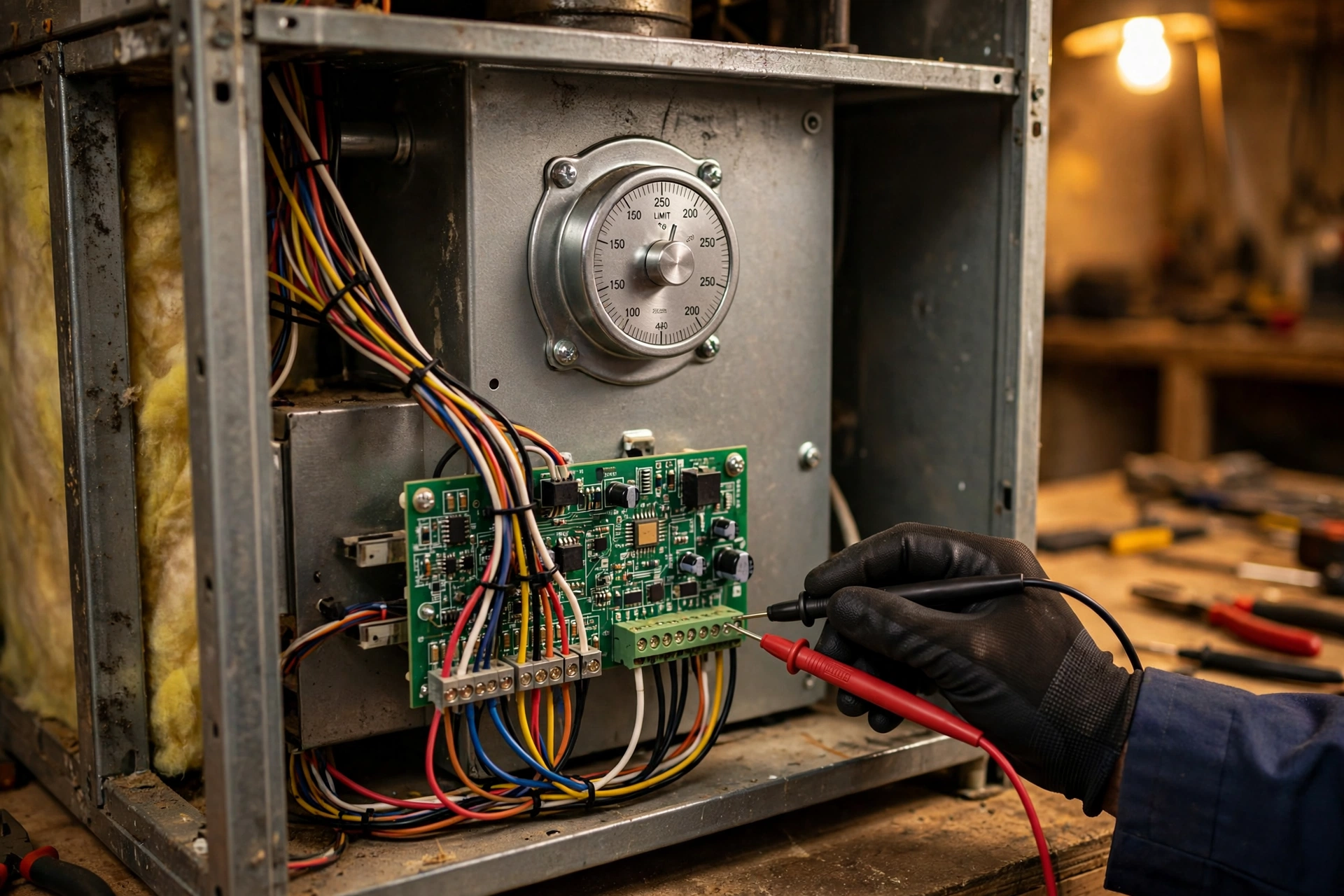
Short cycling, when a furnace turns on and off rapidly without completing a full heating cycle, is usually cau…
Learn more
Delaware homeowners weighing a new heating system often compare heat pumps and furnaces, and the choice is less obvious than it first appears. Delaware winters are cold enough to test a heat pump, yet mild enough for much of the season that a heat pump runs efficiently. That in-between climate is exactly why the comparison deserves a careful look.
The core difference is how each system makes warmth. A furnace creates heat by burning fuel or running electric elements. A heat pump moves heat from outdoor air into the home, which is efficient when outdoor air still holds usable warmth, and less so when temperatures drop sharply. Understanding that difference explains nearly every tradeoff that follows.
This guide compares the two systems on comfort, cold-weather performance, and home fit, and it explains dual fuel setups that combine both. There is no single right answer for every Delaware home, but there is usually a clear answer for a particular home once its size, insulation, and existing equipment are considered.
A heat pump works like an air conditioner in reverse. It extracts heat from outdoor air, even air that feels cold to you, and transfers it indoors through refrigerant and a compressor. Because it moves heat instead of creating it, it can deliver more warmth than the energy it consumes during mild weather, which is the source of its efficiency advantage.
The same mechanism sets its limit. As outdoor air gets colder, there is less heat to extract, and the system works harder for each unit of warmth. During a Delaware cold snap, a heat pump alone may run nearly constantly and still struggle to hold the set temperature, which is when backup heat or a furnace takes over in a well-designed system.
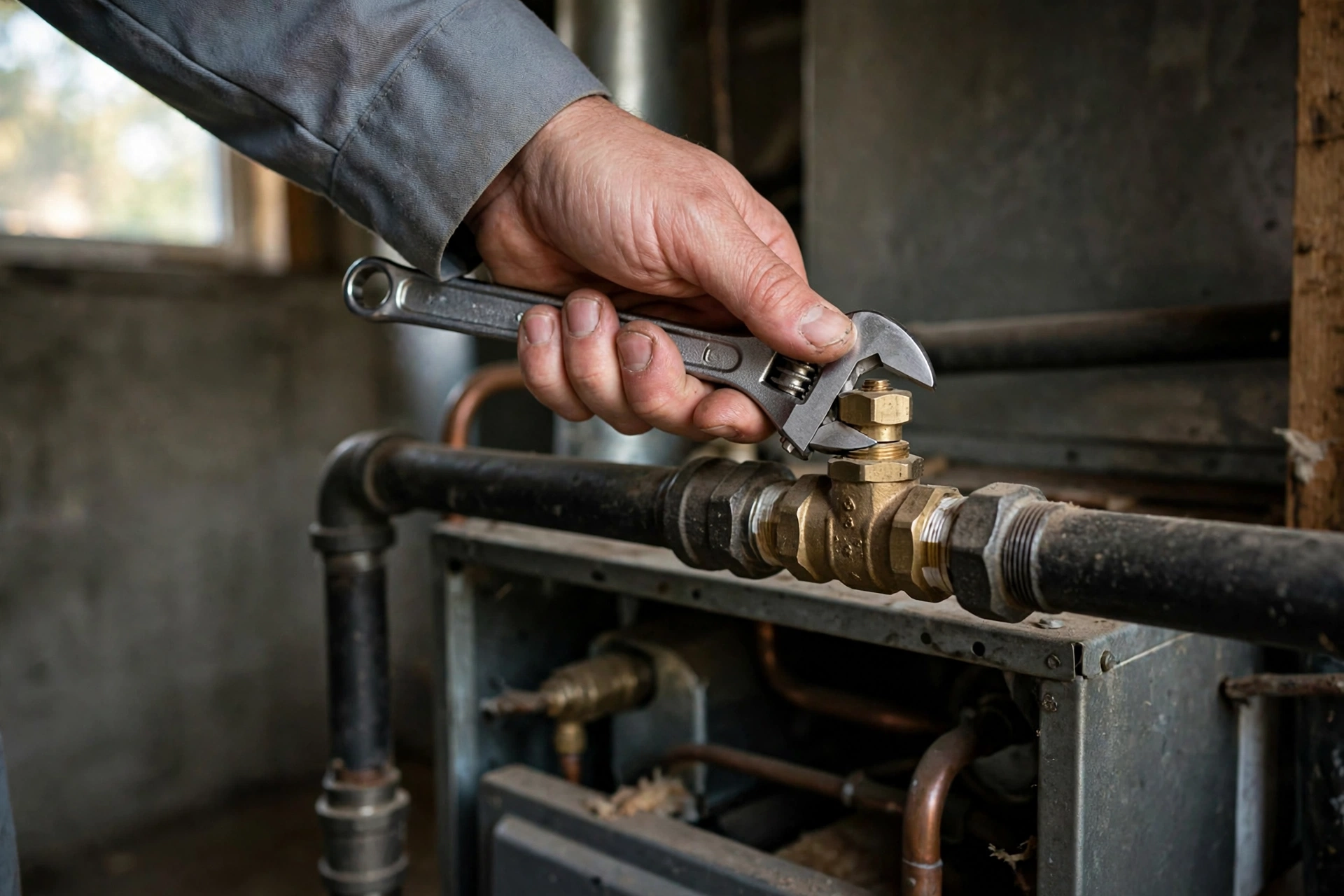
A furnace does not depend on outdoor air temperature at all. It creates heat on demand by burning gas or running electric elements, so its output stays steady whether the night is mildly chilly or bitterly cold. That independence is the furnace's greatest strength in a Delaware winter, when cold snaps can last for days.
The tradeoff is that a furnace only heats. A heat pump also cools in summer, replacing the air conditioner, while a furnace needs a separate cooling system. Homeowners comparing the two should therefore compare whole systems, not just heating equipment, since a heat pump purchase may also cover summer cooling.
Heat pumps tend to deliver gentler, steadier warmth. They run longer cycles at lower air temperatures, which keeps temperatures even but can make vent air feel lukewarm to someone used to a gas furnace. Furnaces, especially gas models, deliver hotter air in shorter bursts, which feels cozier during a cold snap but can create more temperature swing between cycles.
Neither pattern is wrong, and comfort often comes down to what a household is used to. Homeowners switching from a gas furnace to a heat pump sometimes report that the house feels cooler even when the thermostat reads the same, simply because the vent air is less hot. Knowing this in advance prevents disappointment after an otherwise sound installation.
A dual fuel system pairs a heat pump with a gas furnace, and it is a popular answer to Delaware's in-between climate. The heat pump handles heating during mild weather, when it is efficient, and the furnace takes over when outdoor temperatures drop past the point where the heat pump works well. A control switches between them automatically based on outdoor conditions.
Dual fuel gives homeowners the efficiency of a heat pump for much of the season and the cold-weather confidence of a furnace when it matters most. It does require both systems and a compatible control, so installation is more involved than either system alone. For homes that already have a gas furnace and are adding cooling, a dual fuel upgrade is often a natural fit.
Several home factors tip the decision one way or the other. Insulation and air sealing matter enormously: a tight, well-insulated home lets a heat pump shine, while a drafty home leans toward a furnace. Home size matters too, since larger homes ask more of a heat pump during cold weather. Existing ductwork, fuel availability, and electrical capacity all narrow the options further.
Location within Delaware plays a role as well. Coastal areas with milder winters suit heat pumps better than inland areas that see colder nights, and homes near the shore should also weigh salt air exposure on outdoor equipment. A technician who knows Delaware conditions can weigh these factors for a specific home far better than any general guide.
Before deciding, ask how each option performs during the coldest weather your area sees, not just on an average winter day. Ask what backup heat is included, how the system switches modes, and what maintenance each option needs. Ask about the condition of your ductwork, since leaky ducts undermine both heat pumps and furnaces equally.
Also ask about your home's readiness: insulation gaps, drafty windows, and electrical capacity all affect the outcome. Fixing a major insulation gap before installing a new system can change which system makes sense. A good installer will welcome these questions and answer them in terms of your home, not in generic sales language.
Any fair heat pump versus furnace comparison must include summer, because Delaware summers are hot and humid and cooling is not optional. A heat pump cools the home in summer using the same equipment that heats it in winter, so one system covers both seasons. A furnace, by contrast, heats only, which means a furnace household needs a separate air conditioner for summer comfort, with its own installation, maintenance, and eventual replacement.
That dual role changes the comparison in two ways. First, the total equipment picture is simpler with a heat pump, since one system does two jobs. Second, a household replacing both heating and cooling at once may find a heat pump the more straightforward project, while a household with a healthy air conditioner may prefer keeping a furnace and replacing only the heating side. Delaware humidity also matters here: a heat pump that runs longer, gentler cycles in summer can dehumidify steadily, which adds comfort beyond temperature alone.
Homeowners sometimes worry that choosing a heat pump means giving up the furnace entirely, but that is not the only arrangement. A heat pump can be added alongside an existing furnace in a dual fuel setup, or a home can keep a furnace for heating and add a separate cooling system later. The point of the comparison is not to crown a winner but to match equipment to the home and the household. A home with a healthy furnace and no cooling may simply add cooling, while a home replacing everything at once may lean toward a heat pump. Either path can be sound, and the deciding factors are the home's condition, the existing equipment, and how the household actually lives through Delaware summers and winters.
Read the guide, then describe your furnace problem and we will help arrange the next step.
Short cycling, when a furnace turns on and off rapidly without completing a full heating cycle, is usually cau…
Learn more
Before calling for service, check the thermostat setting and batteries, the furnace power switch, the breaker …
Learn more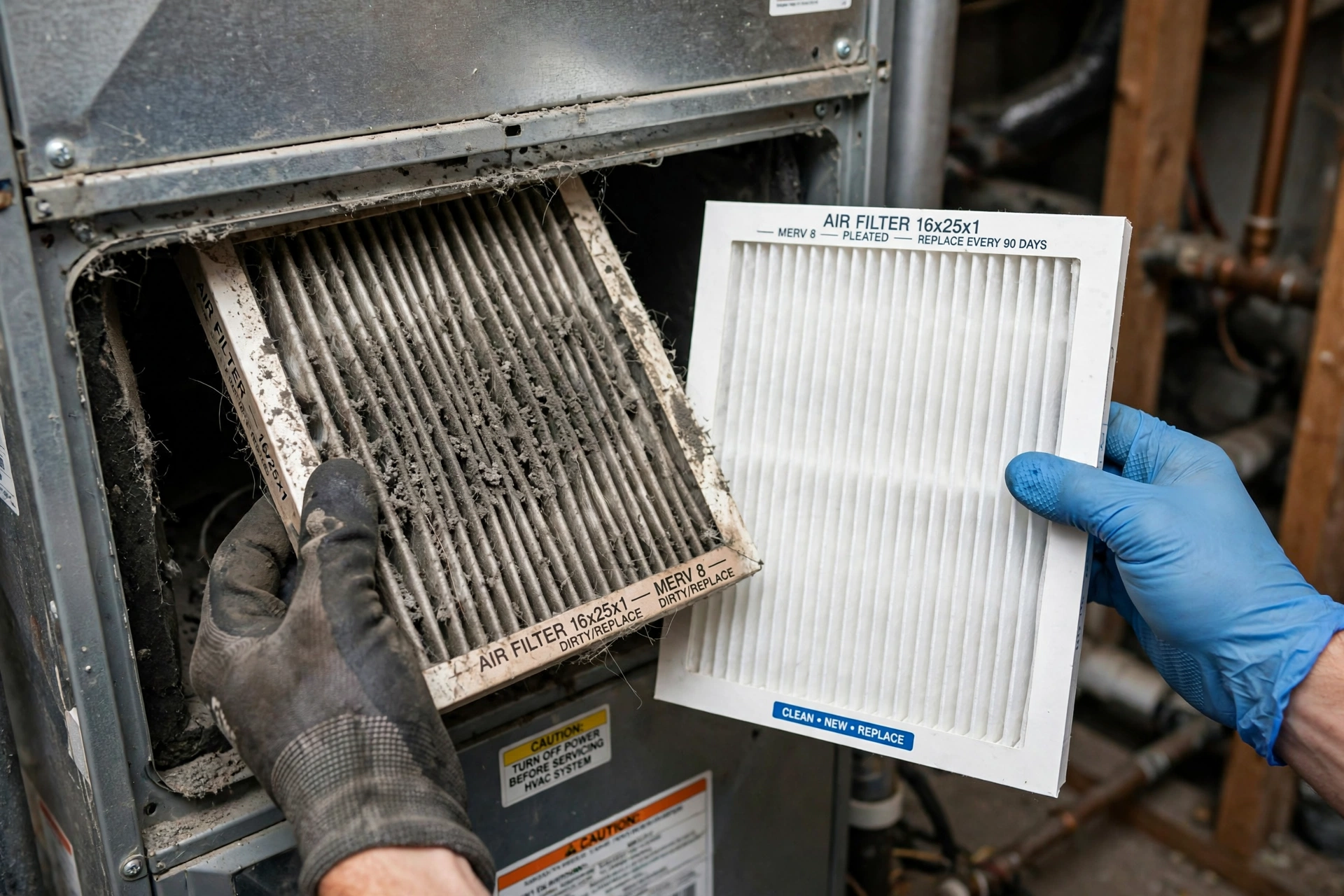
Fall furnace maintenance means changing the filter, testing the heating cycle before cold weather arrives, cle…
Learn more