Why Your Furnace Blows Cold Air in a Delaware Winter
A furnace often blows cold air briefly at startup while the heat exchanger warms up, but steady cold air usual…
Learn more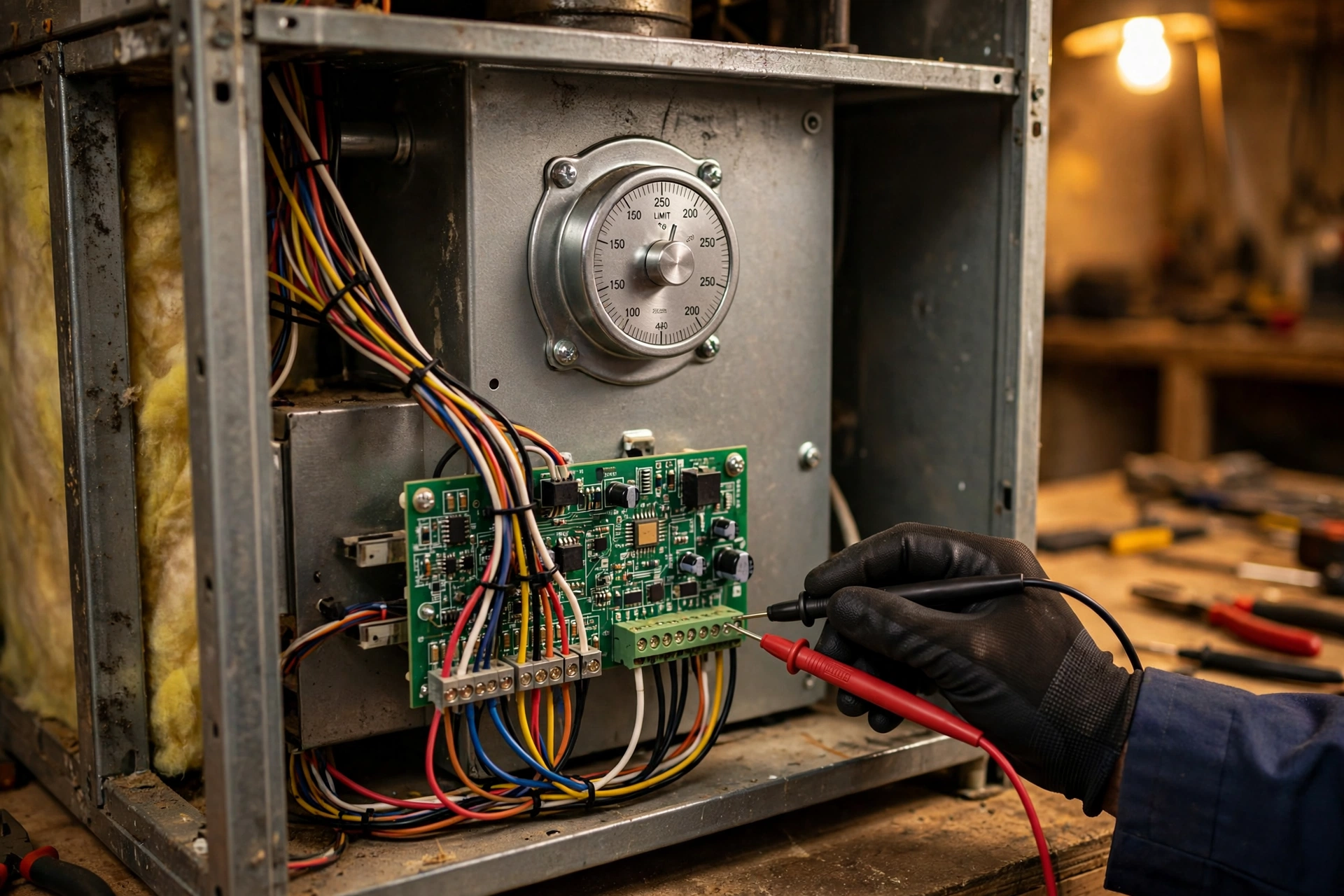
A healthy furnace runs in steady cycles: it turns on, heats the home toward the set temperature, and then rests until heat is needed again. Short cycling breaks that rhythm. The furnace fires up, shuts down after only a short run, and then starts again, repeating the pattern all day. The house may still feel warm, but the system is working far harder than it should.
Short cycling matters because it wears parts out. Every startup stresses the ignition system, blower, and controls, so a furnace that cycles far more often than designed ages faster and breaks down sooner. It also heats less evenly, since rooms never get a full, steady flow of warm air, and it can signal safety problems such as overheating.
This guide explains what short cycling looks like, the most common causes in order of how often they occur, and which fixes are homeowner jobs and which need a technician. If your furnace has started short cycling, it is worth investigating promptly rather than letting the pattern continue all winter.
Short cycling is easy to recognize once you know the pattern. The furnace starts, runs for only a few minutes, shuts off before the house reaches the set temperature, and then starts again shortly after. You may notice the blower and burner cycling frequently, hear the system clicking on and off through the day, and find that some rooms feel unevenly heated.
It helps to distinguish short cycling from normal operation on very cold days, when a furnace legitimately runs longer and cycles more often to keep up. The warning pattern is rapid cycling in mild weather, or cycles so short that the house never quite warms up. If you are unsure, time a few cycles and note how long the furnace runs versus how long it rests.
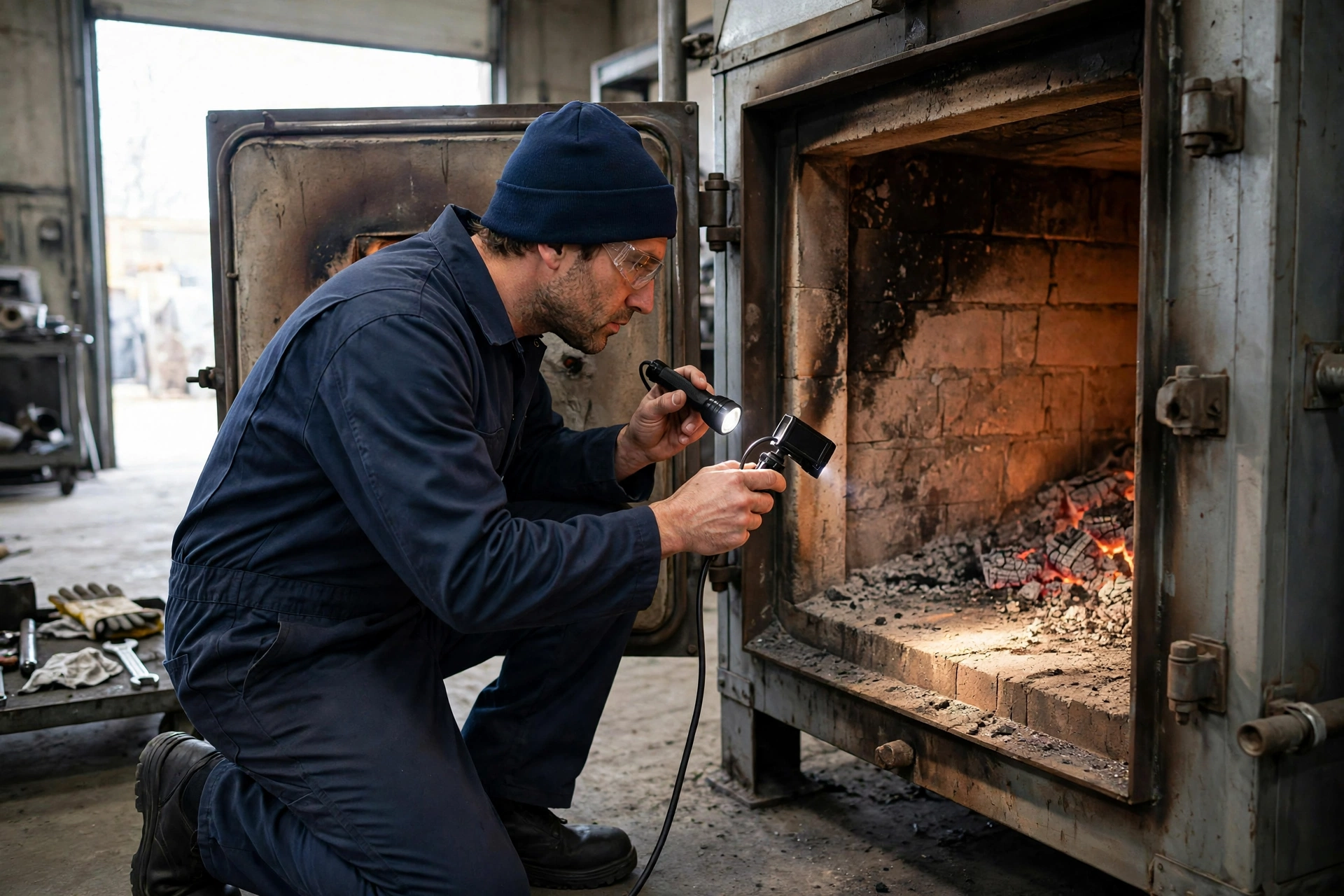
An oversized furnace is a common cause of short cycling, and it is a problem built in at installation. A furnace too large for the home heats the air near the thermostat quickly, satisfies the thermostat, and shuts off, all before warmth has spread evenly through the house. The thermostat then cools, calls for heat again, and the cycle repeats.
Oversizing also wastes energy and leaves distant rooms cold, since short blasts of heat never fully circulate. Fixing an oversized furnace is not a homeowner job, and it is not solved by adjusting settings. A technician can confirm sizing by assessing the home, and in serious cases the honest fix is a correctly sized replacement, planned during mild weather rather than midwinter.
Thermostat placement can create short cycling even when the furnace is perfectly sized. A thermostat near a heat source, such as a sunny window, a fireplace, or a kitchen, warms up faster than the rest of the house and shuts the furnace off early. A thermostat in a drafty hallway has the opposite problem, calling for heat constantly and then being satisfied too quickly.
If short cycling began after furniture moved, a new heat source appeared near the thermostat, or a thermostat was relocated, placement is a prime suspect. Moving a thermostat is a technician job, since it involves wiring, but it is often a simpler fix than homeowners expect, and it can transform comfort across the whole house.
Restricted airflow is the most common fixable cause of short cycling. A clogged filter, closed vents, blocked returns, or dirty blower parts reduce airflow through the furnace, the heat exchanger overheats, and a safety limit switch shuts the burners off to prevent damage. The blower may keep running, the system cools, and the cycle starts again.
Start with the simplest checks: replace the filter, open every vent and return, and confirm furniture or rugs are not blocking airflow. If short cycling continues after airflow is restored, the problem may be deeper, such as a failing blower motor or a blocked duct, and a technician should investigate before the repeated overheating damages the heat exchanger.
On gas furnaces, the flame sensor confirms that the burner is lit. If the sensor is dirty or failing, it may fail to detect the flame and shut the furnace down moments after startup, producing a classic short cycle pattern of brief firing followed by shutdown. Ignition parts that are worn can cause a similar pattern of failed or interrupted starts.
Cleaning or replacing a flame sensor is a technician task for most homeowners, since it involves opening the furnace and working near the burner. If your furnace lights and then shuts off within moments, repeatedly, note that pattern and call for service. It is a common repair, and catching it early prevents the wear that repeated failed starts inflict on other parts.
Short cycling is sometimes treated as a quirk, but it deserves prompt attention for three reasons. It accelerates wear on every part involved in startup, it raises energy use through constant restarts, and it can mask a safety issue such as overheating or a failing sensor. A furnace that short cycles all winter enters spring significantly older, in wear terms, than its calendar age suggests.
If basic airflow checks do not resolve it, call a professional and describe the cycle pattern you observed, including how long runs last and whether the problem is worse in certain weather. That description helps a technician narrow the cause quickly. Short cycling caught early is usually a straightforward fix, while short cycling ignored can become a premature replacement.
A short cycling log is one of the most helpful things a homeowner can hand a technician, and it takes only a few minutes over a day or two. Note the time the furnace starts, roughly how long it runs before shutting off, and how long it rests before starting again. Repeat that a few times across the day, and note the outdoor weather and the thermostat setting at each observation. A pattern usually emerges quickly: cycles that shorten on mild days point one way, while cycling that worsens in cold weather points another.
Add room notes to the log as well. Which rooms feel warm and which stay cool during cycling, whether the thermostat area feels warmer than the rest of the house, and whether any vent seems blocked or weak all help narrow the cause. A technician who arrives with a log can skip the early guesswork and move straight to testing the likely culprit, whether that is airflow, thermostat placement, or a sensor. It also gives you a record to compare against after a repair, so you can confirm the fix actually worked.
A log also helps you notice seasonal patterns that a single visit might miss. Cycling that appears only in mild weather, for example, points toward sizing or thermostat placement, while cycling that appears only during cold snaps points toward capacity or airflow strain under load. A log kept across different weather gives the technician a richer picture than any single observation, and it can reveal that a problem you thought was constant actually follows a pattern. Even a few days of notes can change the diagnosis, and the habit of observing your system closely often catches other early warnings, such as new noises or uneven rooms, before they become breakdowns.
Read the guide, then describe your furnace problem and we will help arrange the next step.
A furnace often blows cold air briefly at startup while the heat exchanger warms up, but steady cold air usual…
Learn more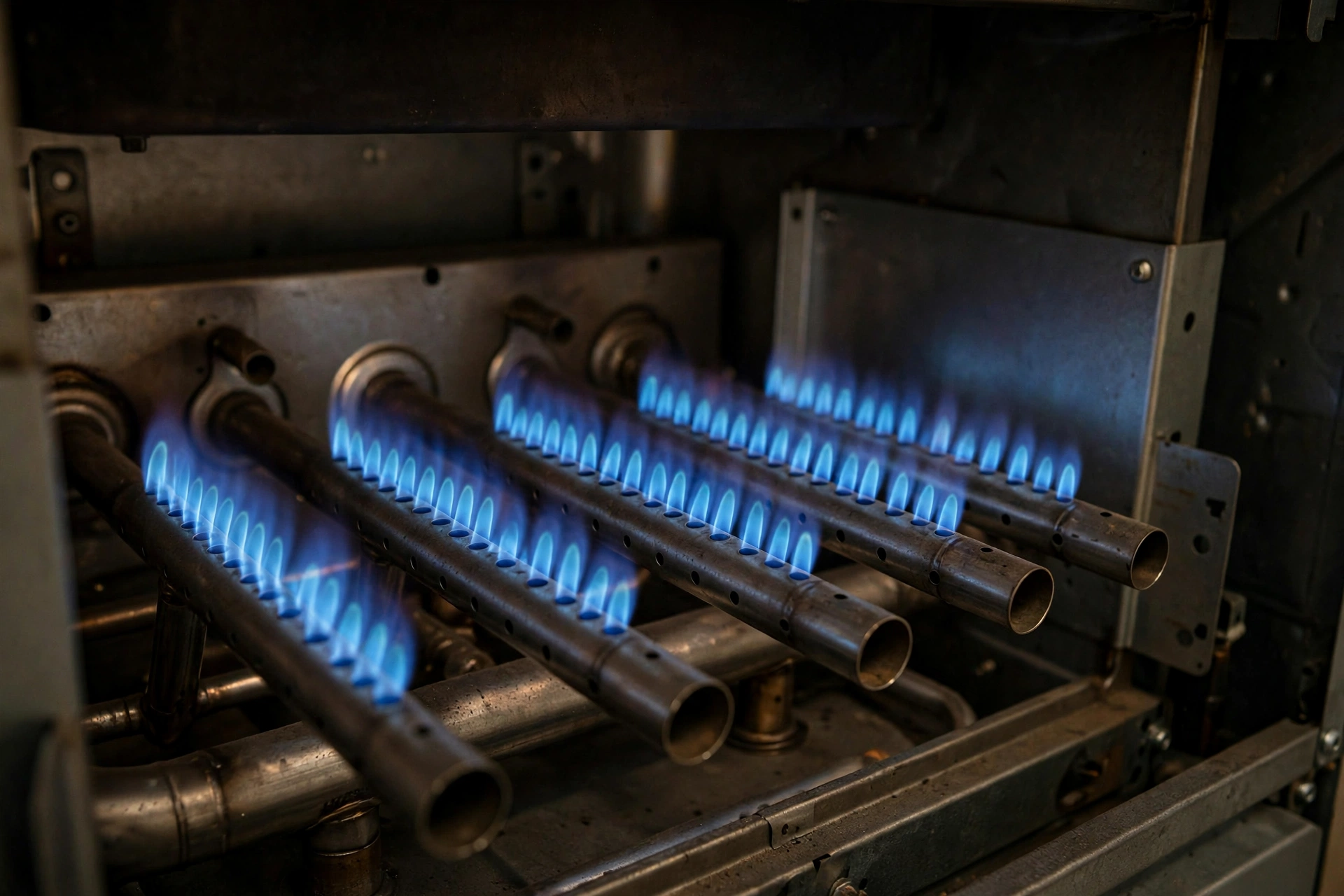
Gas furnaces tend to deliver hotter air and recover faster during Delaware cold snaps, while electric furnaces…
Learn more
A heat pump moves heat rather than creating it and works efficiently in mild Delaware weather, while a furnace…
Learn more