What That Burning Smell From Your Furnace Means
A brief dusty burning smell when the furnace first runs in fall is usually harmless dust burning off, but a pe…
Learn more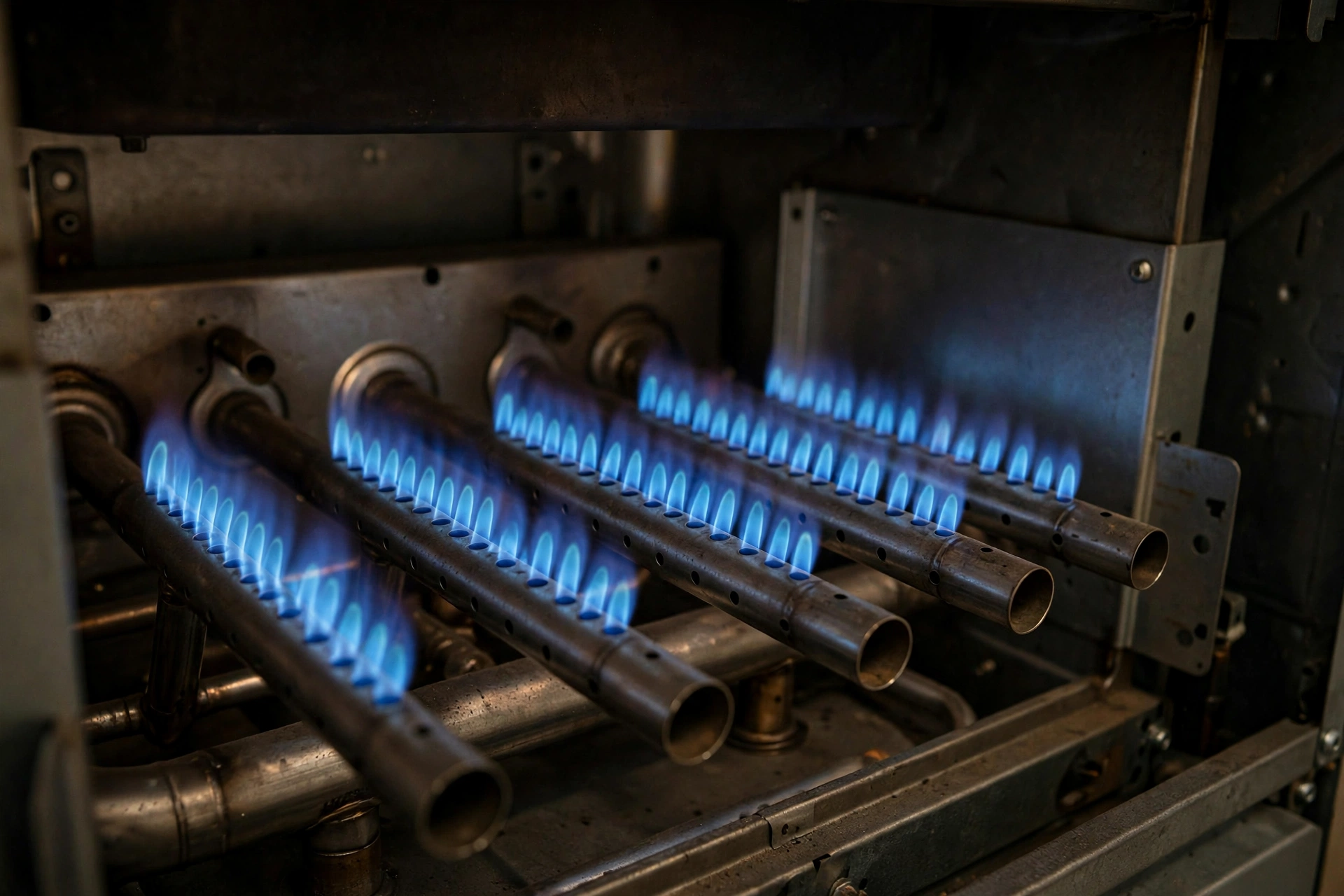
Delaware homeowners choosing a new heating system usually narrow the choice to gas or electric, and both can heat a home well. The right pick depends less on which type is better in general and more on your home, your fuel options, and what kind of warmth you prefer on a cold January night.
Gas furnaces burn fuel to create heat, which lets them produce very warm air quickly. Electric furnaces use heating elements, much like a large toaster, and they are mechanically simpler with fewer parts that can fail. Those differences shape comfort, installation needs, and long-term maintenance in ways worth understanding before you decide.
This comparison covers how each type works, how they feel in daily use, what fuel availability means across Delaware, and the maintenance each one needs. It ends with the questions that help match a system to your home rather than to a generic recommendation.
A gas furnace burns natural gas or propane in a burner, and the heat passes through a heat exchanger that warms the air blown through your ductwork. Because combustion produces intense heat, gas furnaces can raise indoor temperatures quickly and deliver air that feels distinctly warm at the vent, which many homeowners notice during cold snaps.
Gas furnaces need a gas supply, proper venting for combustion gases, and safety controls that monitor the burner and heat exchanger. Those extra systems are why gas furnace installation is more involved than electric, and why venting and combustion safety deserve professional attention. In return, gas heat is a strong match for larger homes and for Delaware winters when temperatures stay low for days at a time.
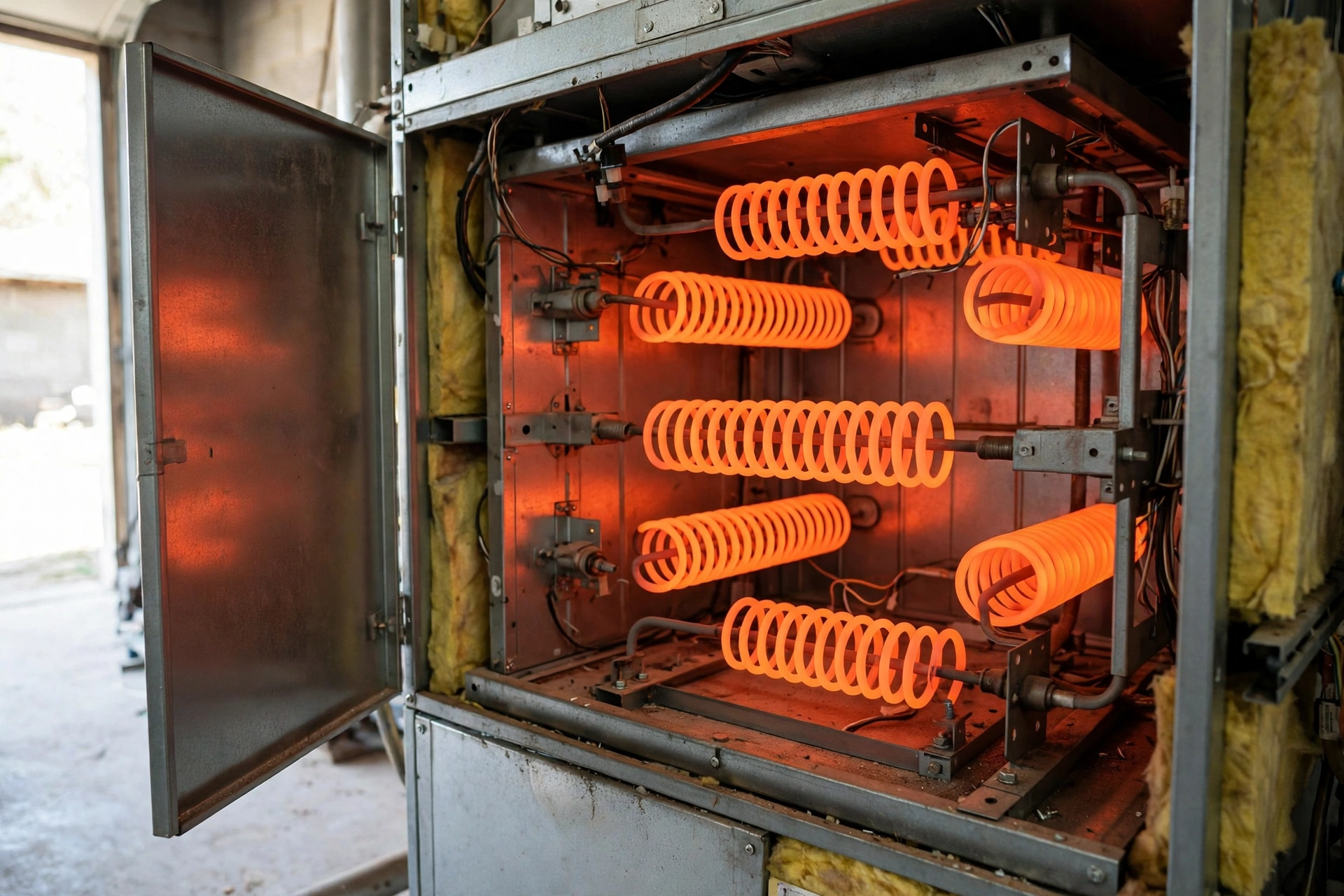
An electric furnace passes air over heated elements, warming it before the blower sends it through the ducts. There is no combustion, no fuel line, and no exhaust venting to manage, which makes the system simpler and its installation more straightforward. Electric furnaces can be installed in homes without gas service, including many rural Delaware properties and all-electric homes.
The tradeoff is that electric heat warms air more gradually, so the air at the vent may feel less hot than gas heat, and recovery after a setback can take longer. For smaller, well-insulated homes, that difference may barely register. For larger or draftier homes, it can mean longer run times during the coldest stretches of winter.
Comfort is where the gas versus electric debate becomes personal. Households that like fast warm-ups after coming home to a cool house often prefer gas, since it brings rooms up to temperature more quickly. Households that keep a steady temperature around the clock may notice little difference between the two, because neither system is being asked to recover from a deep setback.
Air feel matters too. Gas furnaces tend to produce warmer vent air, which feels cozier in a drafty room. Electric furnaces produce gentler, more even warmth, which some homeowners prefer in bedrooms. Neither is objectively more comfortable for every home, so thinking about your daily routine and your home's insulation is more useful than chasing a general verdict.
Fuel availability often settles the question before comfort does. Many towns and suburban neighborhoods in Delaware have natural gas service, while more rural areas may rely on propane deliveries or have no gas option at all. If your home already has a gas line and gas appliances, staying with gas is usually straightforward.
If your home has no gas service, adding it can involve trenching, utility work, and coordination that adds complexity to the project. In that case, an electric furnace, or a heat pump paired with electric backup heat, may be the simpler path. A technician can confirm what fuels are realistically available at your address before you fall in love with a particular system.
Electric furnaces have fewer moving and combustion parts, so their maintenance is generally simpler. Filter changes, blower checks, and inspection of heating elements and electrical connections cover most of it. There is no burner to clean, no heat exchanger to inspect for cracks, and no venting to clear, which keeps service visits shorter.
Gas furnaces need all the standard maintenance plus combustion care: burner cleaning, heat exchanger inspection, venting checks, and safety control testing. That extra attention is important, not optional, since a cracked heat exchanger or blocked vent can create safety risks. Homeowners choosing gas should budget for annual professional service as a nonnegotiable part of ownership.
Start with the practical constraints: what fuel reaches your home, how large and how well insulated it is, and whether your electrical panel can support an electric furnace. Those facts narrow the field quickly. Then weigh comfort preferences, such as how fast you want warm-ups, against maintenance appetite and long-term plans for the home.
There is no shame in choosing either type. A well-sized electric furnace in a tight, modest home will serve its owners well, just as a gas furnace in a larger home will. The costly mistake is choosing a system that fights your home, such as an electric furnace struggling in a drafty house or a gas furnace installed without proper venting. Match the system to the home, and comfort follows.
Beyond warmth and fuel, gas and electric furnaces differ in everyday living details that homeowners notice over years of use. Gas furnaces involve combustion, so they produce burner sounds at startup and need venting that runs through the home, which can matter in tight installations where vent routing is awkward. Electric furnaces run more quietly, with no burner noise, and they need no venting at all, which gives installers more flexibility about where the unit can sit.
Space and simplicity matter too. An electric furnace has a smaller footprint of associated equipment, since there is no gas line, vent pipe, or combustion air arrangement to accommodate. A gas furnace needs clearances and venting space that can constrain placement in a crowded utility area. Neither difference should decide the purchase on its own, but for a homeowner with a tight utility room, a noise-sensitive household, or a home where venting would be difficult, these practical details can tip an otherwise close decision.
Another everyday difference is how each system behaves during a power outage and after power returns. Both types need electricity to run, so neither heats during an outage, but gas furnaces with electronic ignition will not restart on their own in quite the same way as older pilot models, and electric furnaces may draw a heavy load when power returns. Knowing how your system restarts, and checking it after an outage rather than assuming it recovered, is a small habit that prevents a cold surprise. It is also worth asking an installer how each option handles the electrical capacity of your home, since an electric furnace can require panel work that a gas furnace does not, and that work shapes the project as much as the furnace itself.
Read the guide, then describe your furnace problem and we will help arrange the next step.
A brief dusty burning smell when the furnace first runs in fall is usually harmless dust burning off, but a pe…
Learn more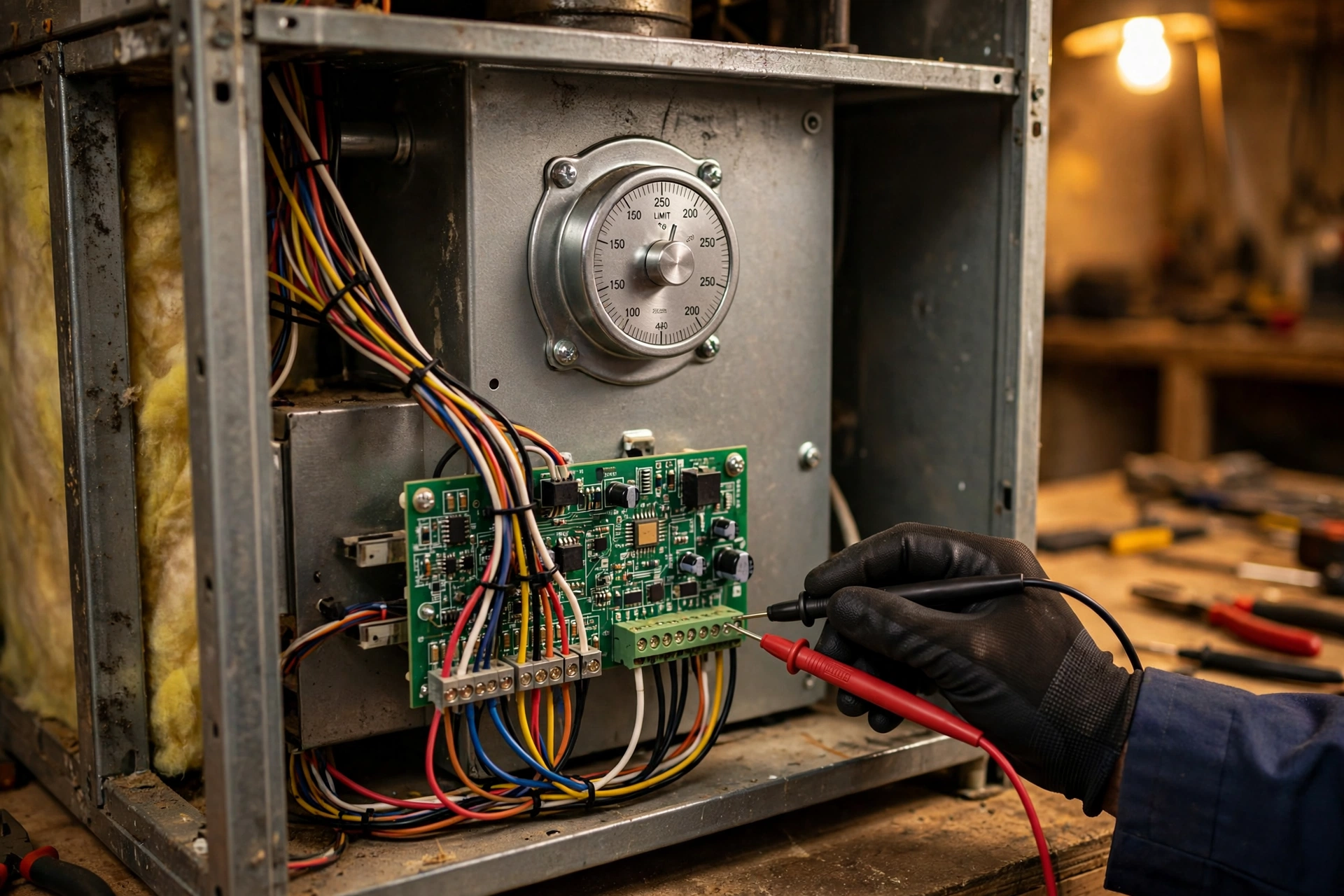
Short cycling, when a furnace turns on and off rapidly without completing a full heating cycle, is usually cau…
Learn more
Before calling for service, check the thermostat setting and batteries, the furnace power switch, the breaker …
Learn more