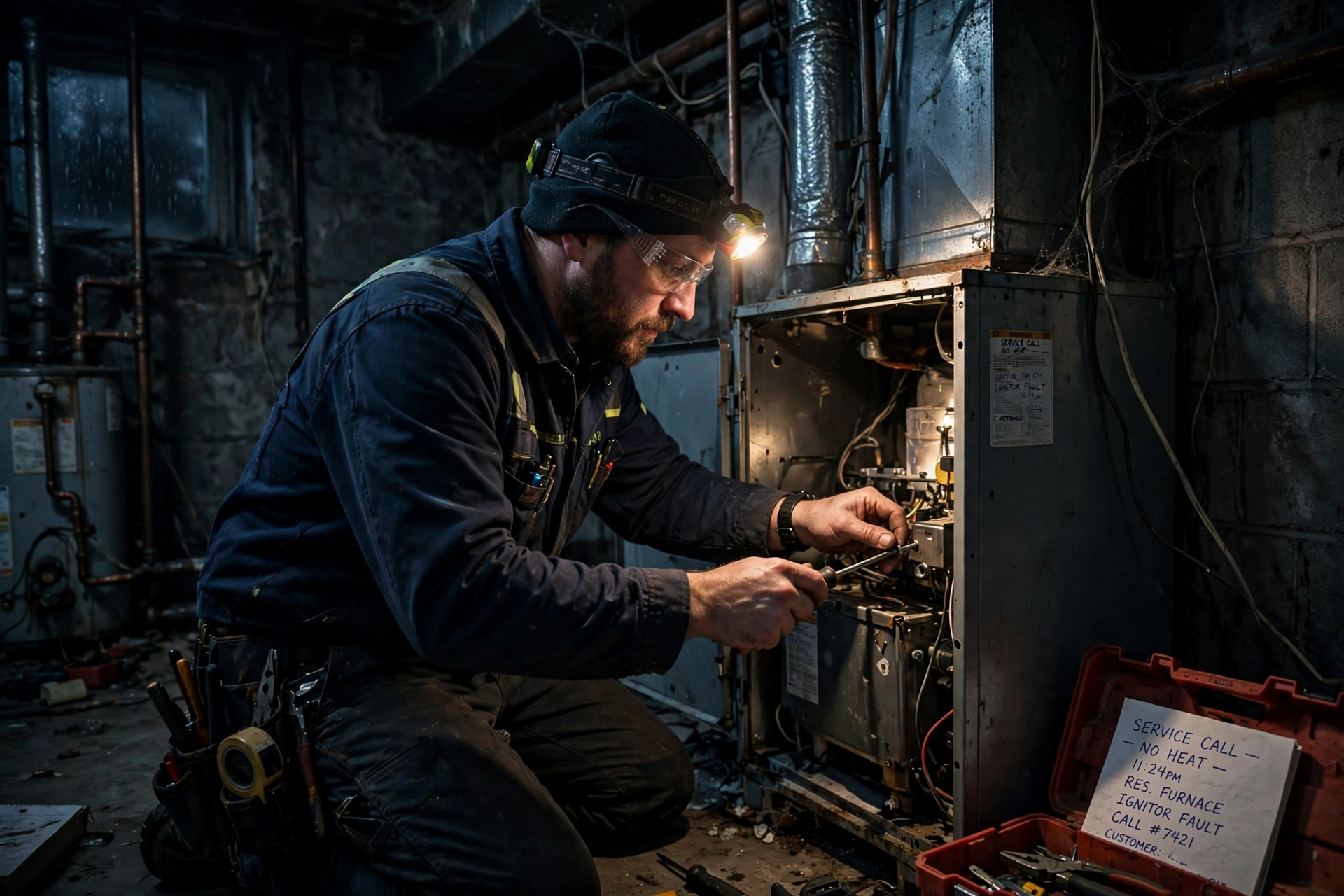
Emergency Furnace Repair
Emergency furnace repair covers a furnace that has stopped heating, is making unsafe sounds, or is showing sig…
Learn moreThe thermostat is the smallest part of your heating system and one of the most powerful, because every heating decision starts there. When it works well, you barely notice it: rooms hold steady temperatures, schedules match your day, and the furnace or heat pump runs only as much as needed. When it works badly, the symptoms look like major system trouble, with rooms overheating, cooling unevenly, or never reaching temperature at all, even though the heating equipment itself is sound.
Thermostat problems are common in Delaware homes for ordinary reasons. Older mechanical thermostats drift out of calibration, batteries weaken, wiring loosens with age or during renovations, and thermostats end up in poor locations after remodeling, such as a wall warmed by a new appliance or chilled by a drafty entryway. Newer smart thermostats add their own issues, from Wi-Fi and power supply quirks to settings that do not match the heating system they control.
This page covers how to recognize thermostat trouble, what repair involves, when replacement or an upgrade makes sense, and how a correctly installed thermostat improves comfort across the whole home. Often the fix for a heating complaint is smaller, simpler, and less expensive than the homeowner feared, and it starts at the wall.
Temperature mismatch is the clearest thermostat symptom. If the thermostat reads noticeably different from the actual room temperature, or if the home feels hot while the thermostat insists it is cool, the sensor or calibration is likely at fault. A thermostat that reads wrong drives the whole system wrong, and no furnace repair can fix a house controlled by bad information.
Unresponsive or erratic behavior is another sign. A thermostat that does not respond to setting changes, that loses its display, that resets itself, or that calls for heat at odd times may have a power, wiring, or internal fault. Intermittent behavior is particularly telling: a system that heats fine for days and then inexplicably stops often has a loose connection or failing component at the thermostat rather than a fault in the furnace itself.
Short cycling driven by thermostat placement is a subtler symptom. A thermostat near a heat source, in direct sunlight, above a radiator, or in a draft will sense a temperature that does not represent the home, and it will start and stop the heating system in rapid bursts as that local temperature swings. Relocating the thermostat, or correcting the local condition, often solves a cycling complaint that looked like equipment trouble.
Thermostat diagnosis begins by isolating the control from the equipment. A technician tests whether the thermostat is sending the correct signal when it calls for heat, whether wiring carries that signal to the furnace or heat pump, and whether the equipment responds correctly when the signal is sent directly. If the equipment runs properly on a direct signal but not through the thermostat, the thermostat or its wiring is the fault.
Power supply is checked next, because many thermostat complaints trace to power rather than logic. Battery powered models fail quietly as batteries weaken, wired models depend on a common wire that may be missing or damaged, and smart thermostats that draw power through the heating system can behave erratically when that power path is insufficient. A power problem can mimic a broken thermostat perfectly, and fixing the power path restores a thermostat that seemed dead.
Sensor and placement checks complete the diagnosis. The technician compares the thermostat reading with an independent temperature reading, checks for drafts, sunlight, or nearby heat sources affecting the sensor, and reviews the thermostat settings against the heating system type. A thermostat configured for the wrong system type, such as a heat pump setting applied to a furnace, will control the equipment badly even when every component works.
Repair makes sense when the fault is specific and the thermostat is otherwise sound. Fresh batteries, tightened or repaired wiring, cleaning dust from a mechanical thermostat, recalibrating a sensor, or correcting a configuration setting can all restore a thermostat fully at modest effort. Older mechanical thermostats in particular often respond well to cleaning and recalibration, and there is no reason to replace a unit that can be made accurate again.
Replacement becomes sensible when the thermostat is obsolete for the system it controls, when internal components have failed, when the display or controls are damaged, or when repeated faults suggest the unit is wearing out as a whole. A thermostat that cannot control staging on a new furnace, cannot manage a heat pump properly, or cannot hold a schedule reliably is limiting the system it serves, and replacement removes that limit.
The decision should also consider the household. A home where schedules change weekly, where rooms are used differently across seasons, or where remote control would genuinely help may benefit from an upgrade even when the old thermostat still works. Conversely, a household that prefers simple, predictable control should not be pushed toward a complex smart thermostat it will not enjoy using. The best thermostat is the one the household will actually use well.
Compatibility comes first. A thermostat must match the heating system type, whether furnace, boiler, or heat pump, and must support the features that system uses, such as staging, auxiliary heat, or zone control. A mismatch here causes poor control from day one, no matter how advanced the thermostat looks, so compatibility is verified before any recommendation is made.
Control style comes second. Basic programmable thermostats offer schedules and simplicity, while smart thermostats add learning, remote control, room sensors, and energy reporting. Room sensors deserve particular attention in Delaware homes with uneven heating, because a sensor in a chronically cold bedroom can help the system respond to that room rather than only to the hallway where the main thermostat sits.
Installation requirements matter too. Some smart thermostats need a common wire for steady power, and older Delaware homes wired for simple thermostats may lack one. A good installer checks wiring before recommending a model, explains any wiring work needed, and does not leave a smart thermostat running on borrowed power that will cause intermittent faults later. The right thermostat, correctly wired, is a quiet improvement you notice only in steadier comfort.
Installation begins with power isolation and documentation of the existing wiring, so every wire is identified before it is moved. The old thermostat is removed, the wall surface is checked, and the new unit is mounted level in a location that reads the home accurately. If relocation is needed because the old location was poor, that conversation happens before mounting, not after, because moving a thermostat later means patching and repainting twice.
Wiring is connected and verified against the heating system type, the thermostat is configured for that system, and schedules or preferences are set with the homeowner rather than left at factory defaults. A thermostat configured generically may heat adequately but not well, while one configured for the actual system, with correct staging and cycle settings, controls the equipment as designed.
Testing closes the installation. The technician runs heating cycles through the new thermostat, confirms the system starts and stops correctly, checks that the displayed temperature matches the room, and walks the homeowner through daily use: changing temperature, setting schedules, and recognizing normal behavior. A thermostat installation is only complete when the homeowner feels confident using it, because an unused feature is not a benefit.
Steady comfort starts with sensible schedules. Set temperatures that match when rooms are actually occupied, avoid large setbacks that force the system to recover for hours, and let staged or modulating systems run gently rather than demanding rapid swings. A thermostat schedule that fights the household routine will always feel uncomfortable, while one that follows it feels effortless.
Room sensors, where fitted, should be placed in the rooms that matter most, such as a primary bedroom or a chronically cold living area, rather than in rooms that already heat well. Sensors help the system respond to real living spaces, but a sensor in a rarely used room can mislead the system just as a poorly placed main thermostat can. Placement deserves the same care as the main unit.
Finally, revisit thermostat settings seasonally. Delaware homes heat and cool differently across the year, and a schedule tuned for January may not suit April. A brief seasonal review, adjusting setpoints and schedules to match daylight, occupancy, and weather, keeps the thermostat working with the household rather than against it. Small adjustments twice a year preserve the comfort a new thermostat was installed to deliver.
Describe what your system is doing and we will help arrange the next step.
If the furnace runs correctly on a direct signal but not through the thermostat, the thermostat or its wiring is likely at fault. A technician tests both sides to separate control problems from equipment problems.
Sensor drift, dust, poor placement near a heat source or draft, or sunlight on the thermostat can all distort its reading. Calibration, cleaning, or relocation usually corrects it.
Many smart thermostats need a common wire for steady power. Older homes may lack one, in which case wiring work is needed before installation to avoid intermittent faults.
Sometimes, especially with room sensors placed in cold rooms, or when the old thermostat was misreading temperature. Uneven heating from duct or airflow problems still needs those issues addressed directly.
Yes, if it sits near a heat source, in direct sunlight, above a radiator, or in a draft. Relocation during replacement is the ideal time, since the wall work happens once.
A straightforward replacement is usually completed in a single visit. Relocation or wiring upgrades take longer, and your installer will outline the expected work before beginning.
Not seeing your question? Request service and describe what your system is doing.
Get Thermostat HelpEmergency furnace repair covers a furnace that has stopped heating, is making unsafe sounds, or is showing sig…
Learn more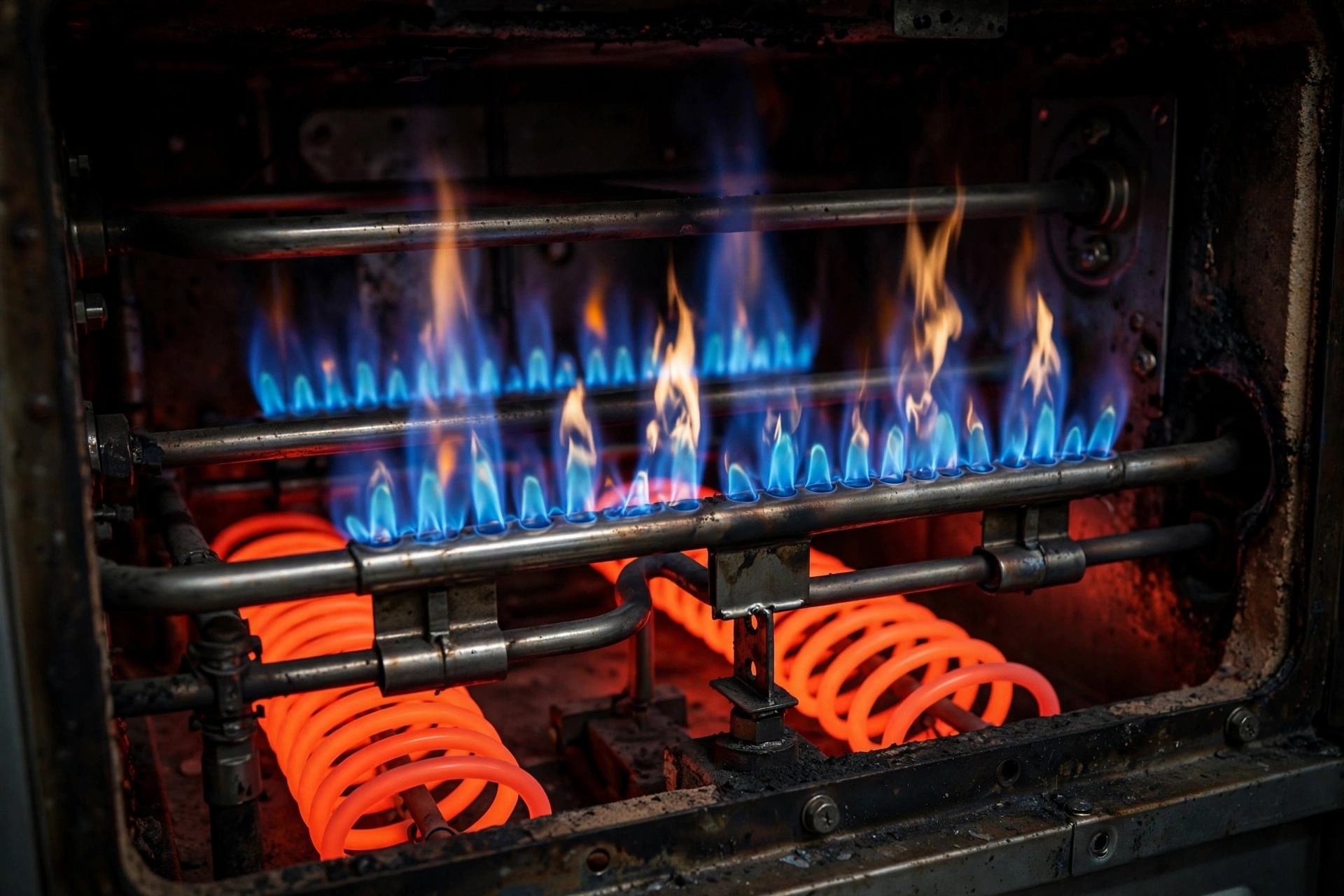
Furnace repair restores safe, even heat by diagnosing the failed part or control, explaining the fault in plai…
Learn more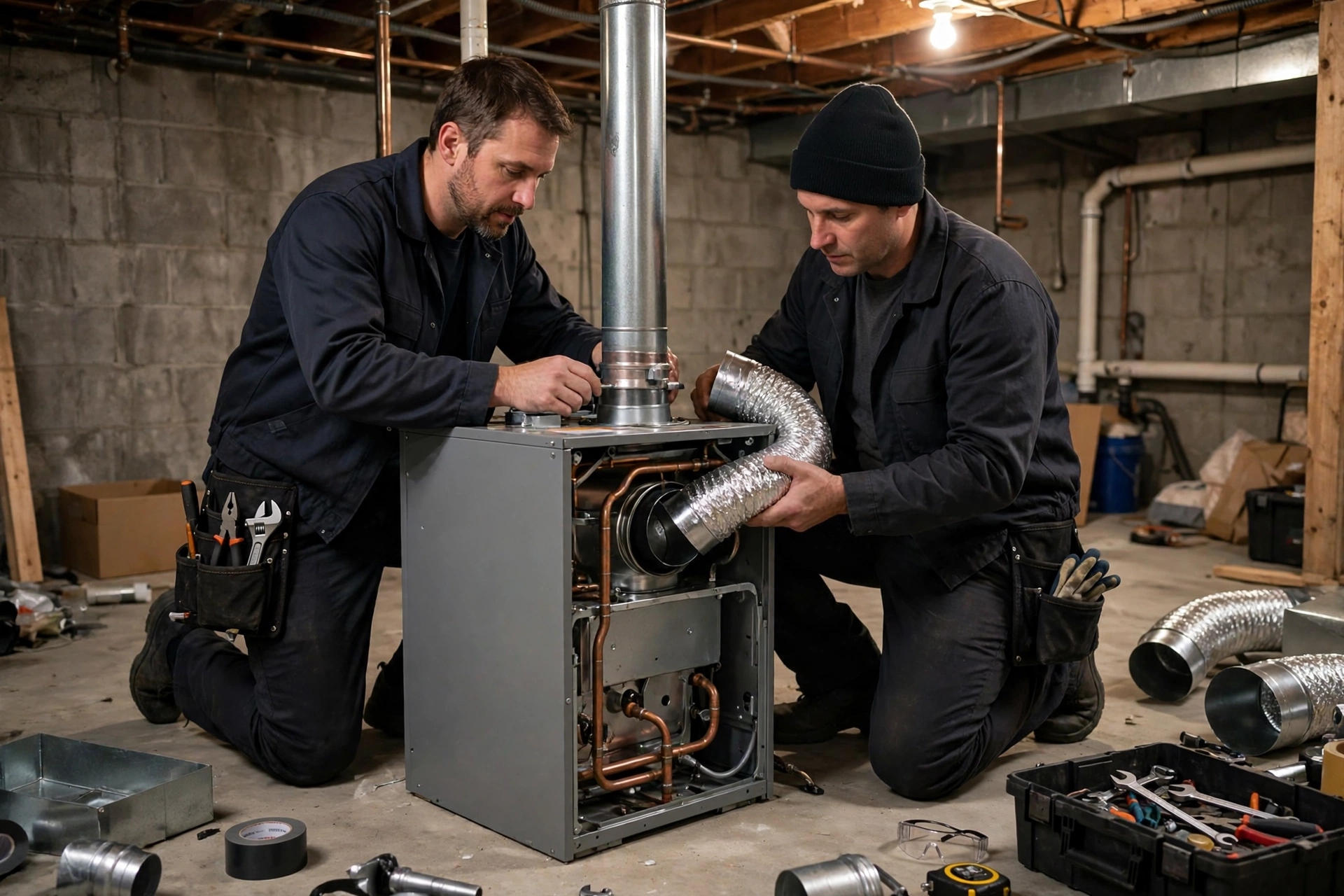
Furnace installation means choosing a system sized to your home and ductwork, removing the old unit safely, an…
Learn more