Furnace Repair in Newark, Delaware
Newark sits in northern New Castle County, a college town built around the University of Delaware and its Main Street, with neighborhoods spreading toward White Clay Creek State Park, Iron Hill, and the Christiana area. The town has a distinctive rhythm, with student life downtown, family streets to the east and west, and wooded edges where houses sit among trees and rolling ground. Furnaces here serve that whole range, from apartments above Main Street shops to brick colonials and split levels in quieter residential streets.
Newark winters are shaped by cold snaps that follow damp, mild stretches, and by the wooded valleys around White Clay Creek that channel cold air and moisture. Homes near the creek and in low lying pockets can feel damp through winter, while homes on higher ground around Iron Hill catch more wind. Summers are humid, and furnaces sit through months of that humidity before the heating season begins, which means the first cold week often reveals wear that was invisible in autumn.
The mix of rental homes and owner occupied homes in Newark adds another layer. A furnace in a rental may have seen many occupants and uneven maintenance, while a family home may have been renovated in stages with the heating system left for last. In both cases, our approach is the same, which is to look at the house, the ductwork, and the furnace together, and to explain what we find in plain terms.
Main Street Rentals and Shared Heating Challenges
Downtown Newark, along Main Street and the streets that feed into campus, holds a dense mix of apartments, converted houses, and older buildings where several households may share a heating system or where a single furnace serves rooms with very different uses. A bedroom above a shop, a ground floor apartment with a street facing front room, and a rear addition can all heat differently from the same furnace, and tenants may notice cold rooms long before anyone looks at the equipment. Balancing that kind of system requires attention to registers, returns, and thermostat placement, not just to the furnace.
Rental furnaces also tend to accumulate deferred maintenance, since occupants change and small problems go unreported until they become breakdowns. Filters go unchanged, vents get blocked by furniture, and a furnace closet becomes storage space. Our visits to Newark rentals focus on restoring the basics, clearing airflow paths, checking safety controls, and making sure the system can run steadily through a cold snap without constant attention.
For property owners, a documented preseason check before the academic year settles into winter is a practical step. It reduces midwinter emergency calls, it gives tenants a warm home from the start of cold weather, and it catches the wear that a summer of idleness and humid air leaves behind. We explain findings in terms that work for both owners and occupants, so decisions about repair or replacement are clear to everyone involved.

Family Neighborhoods East and West of Campus
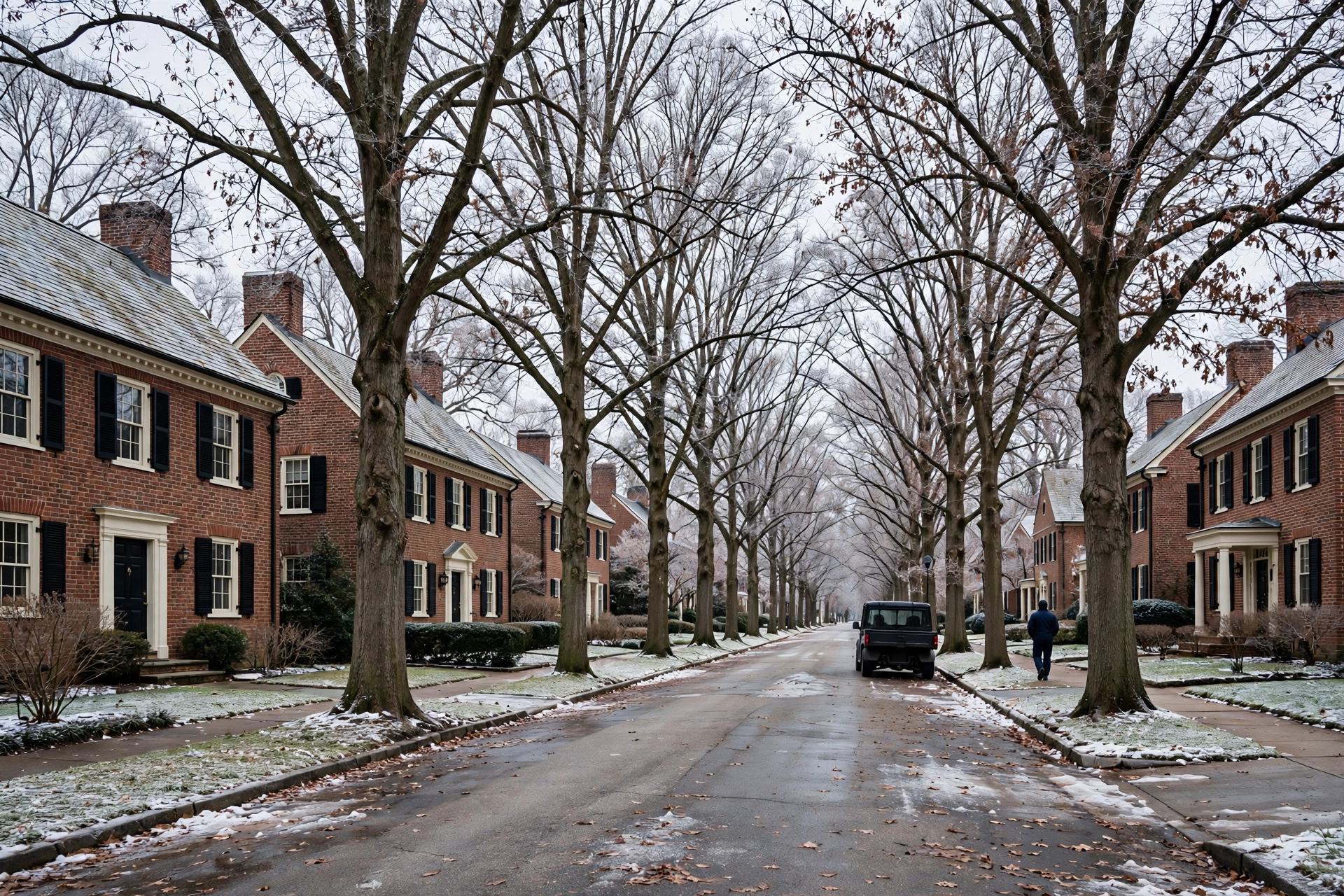
Away from campus, Newark neighborhoods along Route 4, Route 273, and the roads toward Christiana and Glasgow hold brick colonials, Cape Cods, split levels, and ranch homes built across several decades of suburban growth. These are family homes with basements, attics, and additions, and their furnaces often date from a different era than the kitchens and bathrooms around them. A furnace that was sized for the original house may now serve a finished basement, an enclosed porch, or a second floor addition, and that mismatch shows up as uneven rooms and long run times.
Tree cover is generous in many of these neighborhoods, and that shapes heating in subtle ways. Shade and windbreaks help in summer, but fallen leaves and damp shade can also keep gutters, vents, and exterior furnace terminations damp through winter. We check exterior vents for blockage by leaves and ice, and we look at how mature trees and hedges channel wind toward or away from the house, since a sheltered side and an exposed side heat very differently.
Many Newark family homes have also seen window and insulation upgrades that changed how the house holds heat, while the furnace stayed the same. That is usually good news, since a better sealed house needs less heat, but it also means an older furnace may now short cycle, turning on and off more often than it was designed to. A careful assessment looks at the home as it is now, and matches repair or replacement to that reality.

White Clay Creek Dampness and Wooded Lot Heating
The White Clay Creek valley, with its state park trails, wooded slopes, and stream crossings, gives Newark some of its most attractive neighborhoods, and it also gives those homes a damp microclimate. Creek air hangs in low ground, fog settles in the valley on cold mornings, and basements near the water table stay damper than basements on higher ground. Furnaces in these homes face more corrosion risk and more moisture around controls and condensate lines, and they benefit from regular inspection and from a mechanical room that is kept dry and ventilated.
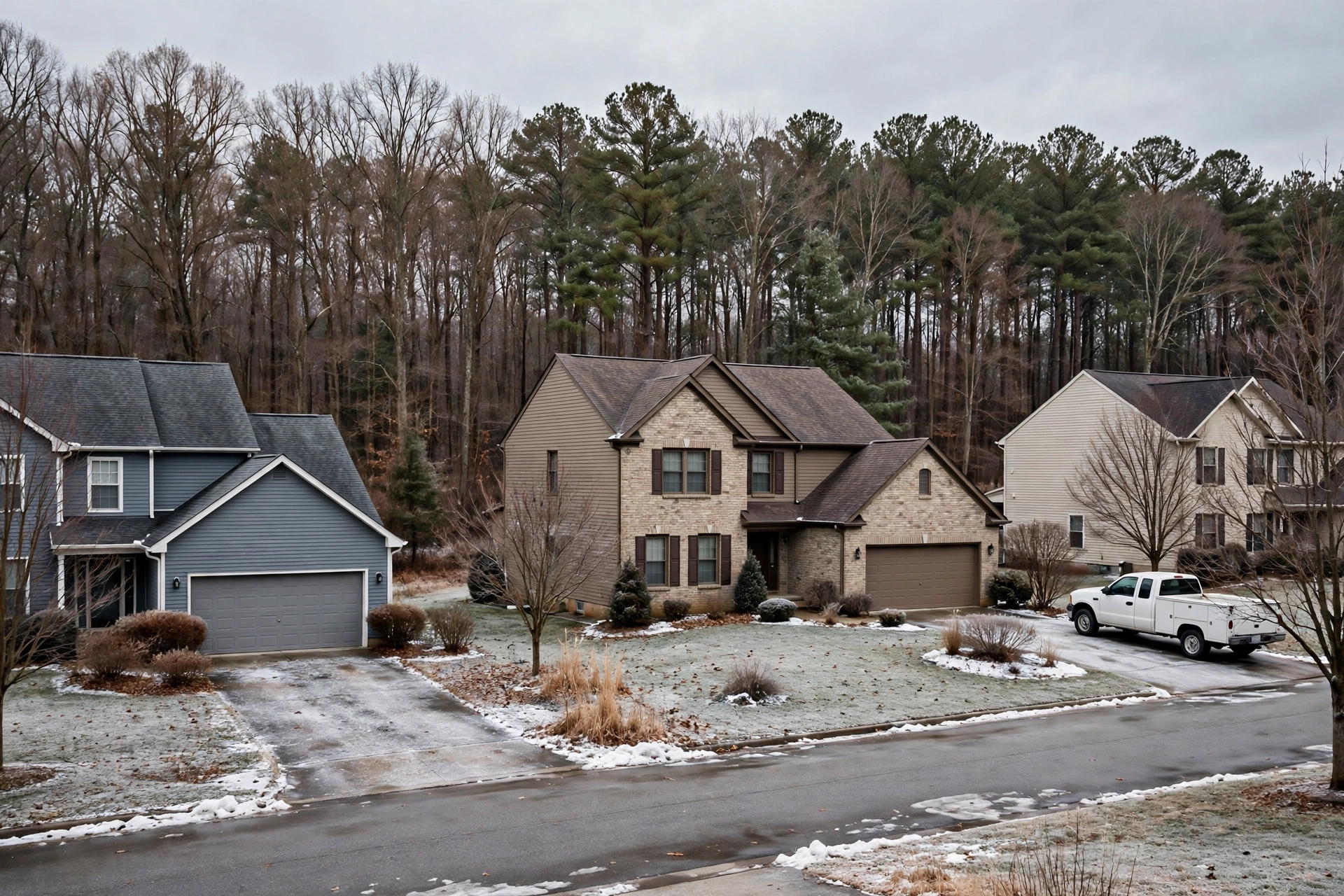
Wooded lots add shade that keeps summer temperatures pleasant, but they also keep roofs, gutters, and exterior vents damp longer after rain, and they drop leaves that can block intake and exhaust terminations. A blocked vent can cause a furnace to shut down on a safety control, which looks like a furnace failure but is really an exterior problem. We check those terminations on every Newark visit, especially in autumn and after storms.
Homes near the creek also sit on ground that can shift with wet and dry seasons, and ductwork in crawl spaces can sag or separate where the ground moves. We look for disconnected joints and sagging runs in those homes, since a duct that has come apart in a crawl space will pour warm air under the house while the rooms above stay cold, and the furnace will run longer trying to compensate.
- Keep exterior vents clear of leaves, ice, and debris through the heating season.
- Keep the mechanical room dry and ventilated, especially near creek low ground.
- Report a furnace that runs long while rooms stay cold, since a duct fault may be the cause.
Iron Hill Wind Exposure and Hilltop Homes
Iron Hill rises above the surrounding Newark landscape, and homes on and around its slopes catch wind that lower neighborhoods do not feel. That exposure strips heat from the windward side of a house and can make upper floors drafty, even when the furnace is running steadily. A hilltop home may also have a longer, more exposed flue run, and wind gusts can affect how a furnace vents, occasionally causing nuisance shutdowns that are hard to reproduce on a calm day.
We look at wind exposure when we assess an Iron Hill area home, noting which walls face the prevailing wind, whether windows on that side are older or newer, and whether the thermostat sits in a room that is sheltered or exposed. A thermostat in a sheltered room may satisfy too early, leaving windward bedrooms cold, while a thermostat in a drafty hall may keep the furnace running long after the rest of the house is warm. Placement matters, and moving or supplementing a thermostat can sometimes solve a problem that looks like a furnace fault.
Insulation in the attic and at the roofline matters more on a hilltop home as well, since wind driven heat loss through the roof and upper walls is greater where the house stands exposed. A furnace assessment that ignores the building envelope will miss half the story, so we talk through what we see in the attic and at the eaves alongside what we find at the furnace itself.
Aging Systems in Newark Homes Near Christiana
Toward Christiana and the commercial corridors along Interstate 95, Newark neighborhoods include townhomes, condominiums, and smaller single family homes where furnaces are often tucked into closets, attics, or tight utility spaces. Those compact installations need care, because airflow around the furnace is limited, filters are easy to forget in a closet, and a small space amplifies noise and heat buildup. A furnace in a closet that has become a storage cupboard will struggle, and clearing that space is often the first and simplest repair.
Townhome furnaces also share walls with neighbors, which changes how heat moves and how sound travels. A furnace that short cycles in a townhome may disturb neighbors as well as occupants, and a vent termination shared along a row of homes needs to be clear of snow, ice, and debris for every unit. We check shared venting carefully in these settings, since a blockage at one home can affect the system in ways that are not obvious from inside a single unit.
When a compact furnace reaches the end of its reliable life, replacement must fit the space, the venting, and the ductwork that already exists, which limits options in a useful way. We explain those limits plainly, including the size of the home, the type of system already in place, and the condition of the ductwork, so a townhome owner can choose a replacement that fits the home rather than one that merely fits a catalog description.
Preparing a Newark Furnace for the Academic Winter
The academic calendar gives Newark a natural maintenance rhythm. Late summer, before students return and before the first cold snap, is the ideal time for a furnace check, because any repair found can be completed while the weather is mild and while schedules are still flexible. That visit covers ignition, safety controls, blower condition, filter fit, venting, and heat exchanger condition, and it clears the dust and humidity effects of a summer spent idle.
Through the heating season, the habits that protect a Newark furnace are straightforward. Keep filters changed, keep registers open and unblocked, and keep the area around the furnace clear. In student housing, where occupants may not know where the filter lives or how the thermostat works, a short explanation at the start of winter prevents many midwinter calls, and property owners who provide that explanation see fewer emergency visits.
At the end of winter, noting what went wrong, such as a cold bedroom, a noisy startup, or a cycle pattern that changed after a thaw, gives the next maintenance visit a clear focus. That habit turns routine maintenance into targeted care, and it is especially useful in Newark, where a home may change occupants between heating seasons and the next household inherits whatever the last winter revealed.
- Book a preseason check in late summer, before cold weather and the academic term settle in.
- Show new occupants where the filter is and how the thermostat is set.
- Note winter problems as they happen and share them at the next maintenance visit.
Newark Homes Near the Reservoir and Rittenhouse Park
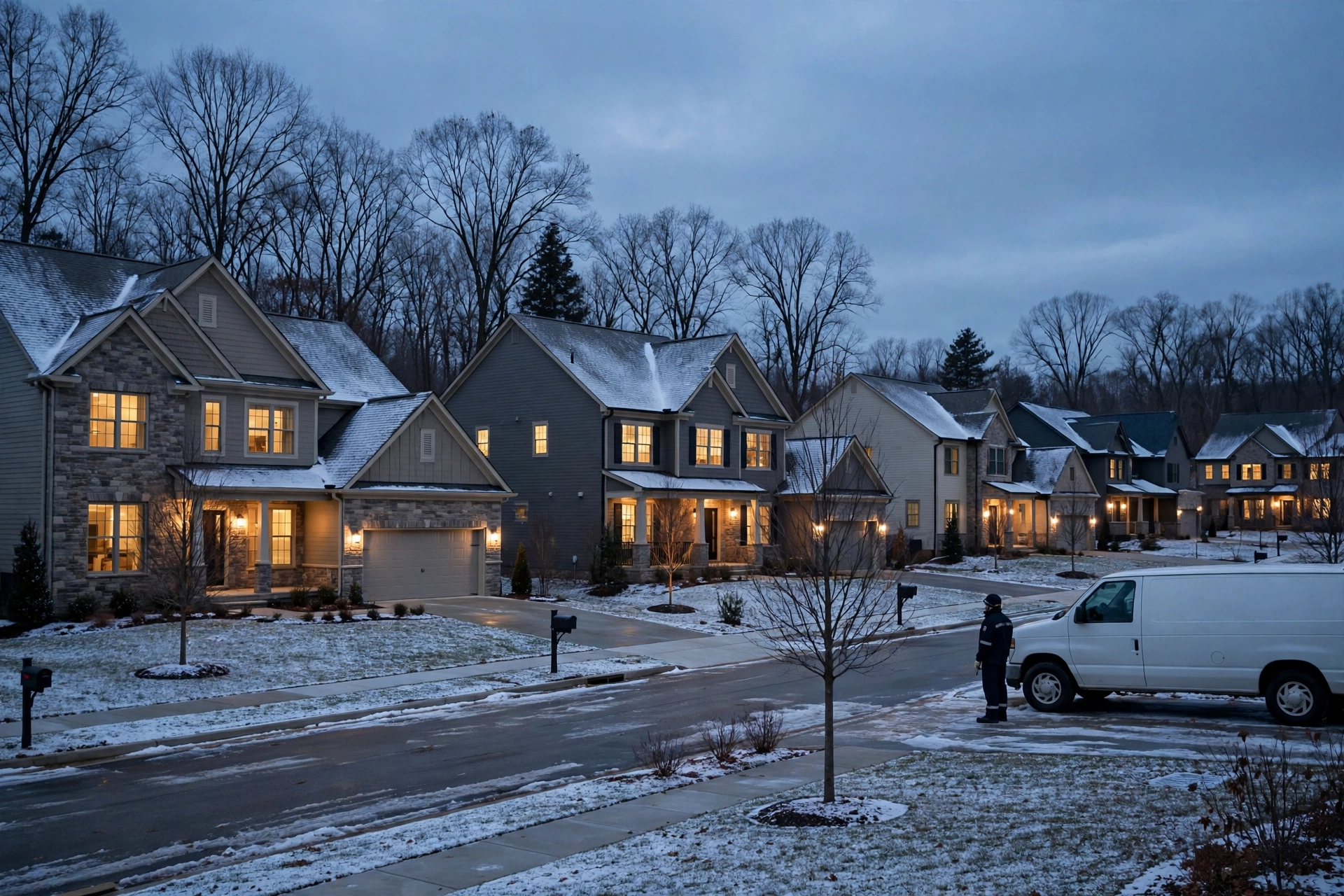
The Newark Reservoir, a large open water area on the edge of town, and Rittenhouse Park, with its trails and woodland along the White Clay Creek tributaries, give nearby neighborhoods a waterside and wooded character that shapes heating. Homes near the reservoir sit on ground that can be open to wind across the water, while homes near the park sit among trees that shelter them in summer but keep roofs, gutters, and vents damp longer after rain. Both settings ask a furnace to cope with damp air, and both reward regular inspection of exterior vents, condensate lines, and basement moisture.
Reservoir and park neighborhoods in Newark also include a mix of older homes and newer subdivisions, so a furnace visit here often finds a system that was installed for a house quite different from the one that stands today. Additions, finished rooms, and window upgrades change how heat is needed and delivered, and a replacement or repair that ignores those changes will not hold through a cold snap. We measure the home as it stands today, including rooms near the water and woodland that cool first, before recommending a course of action.
Furnace Questions in Newark?
Tell us what your furnace is doing and where you are, and we will help arrange the next step.
Why do rooms in a Newark rental heat so unevenly?
Converted houses and shared systems often serve rooms with different uses, orientations, and additions from one furnace, so airflow and thermostat placement matter as much as the furnace itself. Clearing blocked registers, restoring return paths, and balancing airflow usually improve evenness.
Does living near White Clay Creek affect my furnace?
Valley dampness and low ground moisture encourage corrosion and can affect controls and condensate lines over time, while leaves and damp shade can block exterior vents. Regular inspection and a dry, ventilated mechanical room help limit that wear.
When is the best time for furnace maintenance in Newark?
Late summer, before the academic term and the first cold snap, is ideal, since repairs found then are routine rather than urgent. That timing also clears a summer of humid idleness before the system is asked to run steadily.
Why does my furnace shut down on windy days near Iron Hill?
Wind on exposed slopes can affect venting and can strip heat from the windward side, making a furnace cycle oddly or shut down on a safety control. Checking vent terminations, wind exposure, and thermostat placement helps identify whether wind is the cause.
What should I consider before replacing a townhome furnace?
The size of the home, the type of system already in place, the condition of the ductwork, and the tight mechanical space all shape what fits and what will work well. Those practical factors matter more than any single feature when choosing a replacement for a compact installation.
Furnace Questions in Newark, Answered
Not seeing your question? Request service and tell us what your furnace is doing.
Arrange a Furnace Visit in Newark