Furnace Repair in Ocean View, Delaware
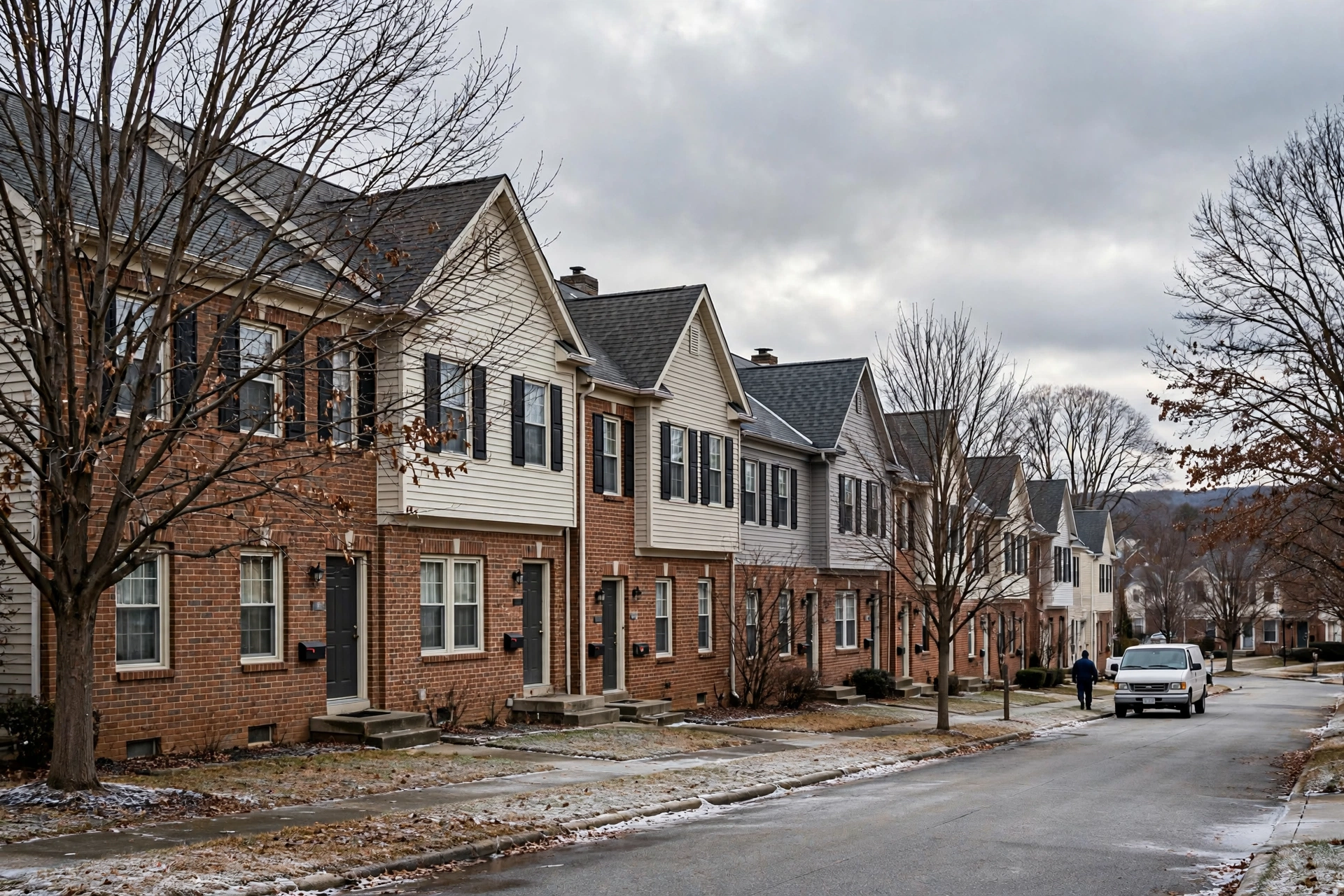
Ocean View sits just inland from Bethany Beach, and its character is residential in a way the beach towns are not. The town grew as a quiet community of homes set back from the ocean, with Central Avenue running through its center and residential streets spreading toward the surrounding countryside and the nearby bays. Older cottages and modest ranch homes stand alongside newer subdivisions, townhouses, and larger family houses built for year-round living. That mix means Ocean View furnaces range from compact older systems in small homes to modern equipment in larger, multi-bedroom houses.
Although Ocean View is not on the beach itself, coastal conditions still shape its heating needs. Wind from the Atlantic and the nearby bays carries salt and moisture inland, and humid summers leave homes damp long before winter arrives. Cold snaps bring wind that tests older windows and framing, while freeze and thaw cycles work on outdoor equipment, vents, and the ground around a home. A furnace here must therefore handle damp air, coastal corrosion at a lower intensity than at the boardwalk, and the ordinary demands of a family home heated all winter.
Delaware Furnace Pros provides furnace repair, replacement, and tune-up service for Ocean View homes across that whole range, from small cottages to newer subdivisions. Service begins with the home as it stands, including its age, layout, ductwork, and pattern of use, and it aims for even, reliable heat through the coldest part of the year. Homeowners can expect plain explanations of what was found, what needs attention now, and what can wait until the next seasonal visit.
Central Avenue Homes and Older Ocean View Cottages
The older heart of Ocean View, around Central Avenue and the streets nearby, holds cottages and ranch style homes that have often been extended or renovated over the years. A small house may have gained a sunroom, a converted garage, or an added bedroom, and the heating system may not have kept pace with those changes. The signs are familiar: a new room that never quite warms, a hallway that feels drafty, and a furnace that cycles more often than it should. In these homes, a repair visit should look beyond the furnace cabinet to the ducts, the returns, and the way air moves through the whole house.
Older homes also carry older infrastructure that affects heating. Narrow crawl spaces, aging ductwork, and original windows can all let heat escape or block it from reaching the rooms that need it most. A technician who understands those constraints can often improve comfort substantially without replacing the furnace, by addressing airflow, sealing obvious duct leaks, and correcting thermostat placement. When replacement does become necessary, the same knowledge helps size the new system for the house as it exists today, not for the smaller cottage it once was.
- Added rooms often outgrow the ductwork that was designed for a smaller house
- Drafty hallways and cold additions point to airflow and duct issues
- Crawl spaces and aging ducts can steal heat before it reaches living rooms
- Sizing a replacement for the current house avoids repeating old mistakes
Newer Ocean View Subdivisions and Their Heating Patterns
Newer subdivisions around Ocean View offer a different heating picture. Homes here tend to be larger, with open living areas, multiple bedrooms, and sometimes a bonus room or a finished space above the garage. Their furnaces are generally newer and more capable, but larger floor plans bring their own challenges. A single system may need to serve rooms with very different heating needs, such as a sunlit living area that warms quickly and a north-facing bedroom wing that stays cold. Without attention to airflow balance, those differences become daily annoyances through the winter.
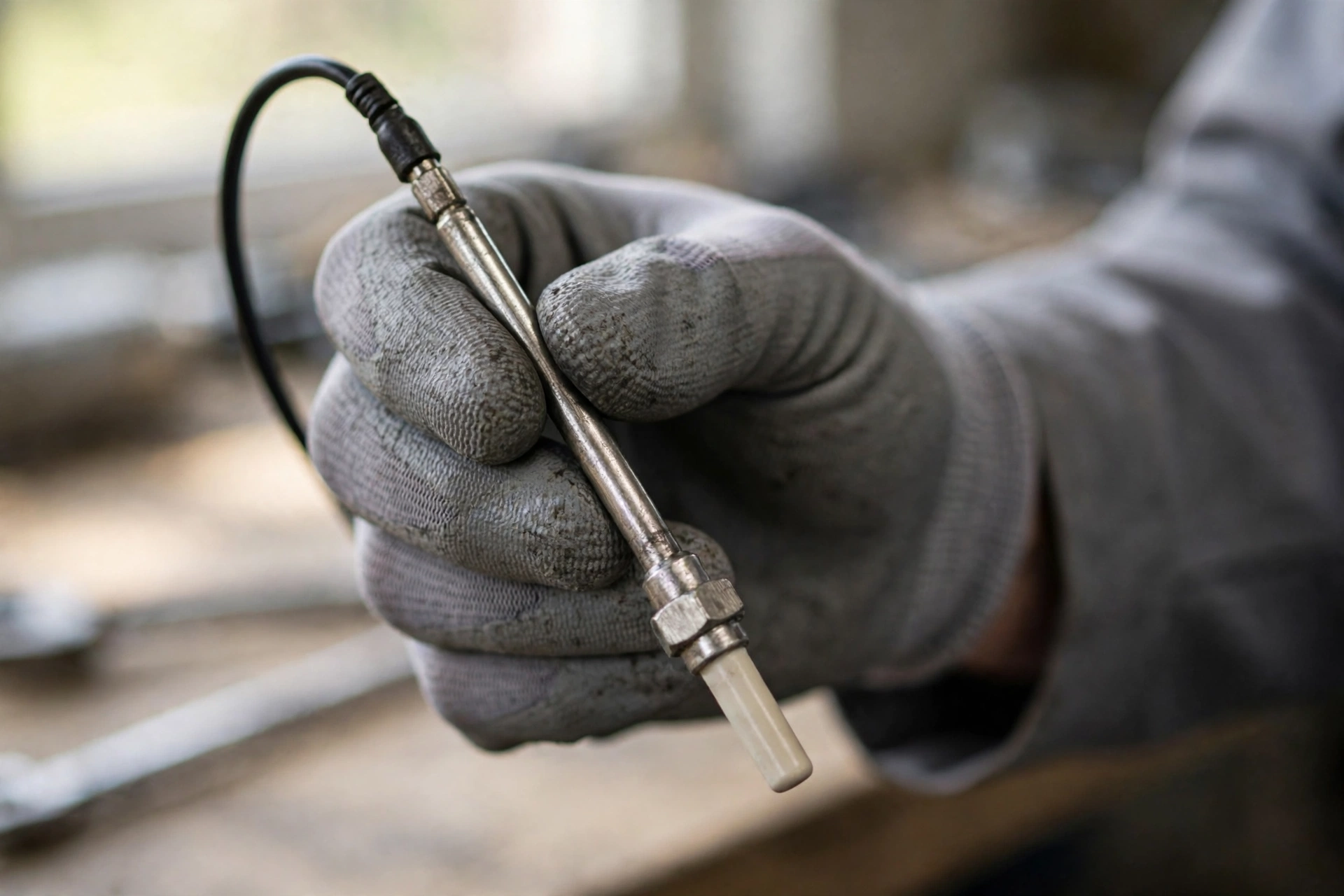
Newer homes also tend to be tighter and better insulated, which changes how a furnace behaves. A tight home holds heat well but can also trap humidity, and a system that short cycles or runs with dirty filters can leave rooms feeling stuffy or uneven. Regular filter care matters more in these homes than owners sometimes expect, and a seasonal tune-up should check not only ignition and safety controls but also airflow, blower condition, and thermostat accuracy. Those checks keep a newer system performing the way it was designed to perform.
- Larger floor plans can leave bedroom wings colder than sunlit living areas
- Rooms above garages often need extra airflow attention in winter
- Tight, well insulated homes still need regular filter care and airflow checks
- A tune-up should cover blower condition and thermostat accuracy, not only ignition
Coastal Moisture and Salt Air Reaching Inland Ocean View
Ocean View homeowners sometimes assume that salt air stops at the beach, but coastal wind and bay air carry moisture and salt well inland. The effect is gentler than on an oceanfront property, yet it still matters for equipment that sits outdoors or near vents. Over successive seasons, that exposure can corrode fittings, dull sensors, and wear down parts that would otherwise last longer. Homes near open water and low-lying ground feel the damp most, especially where a furnace sits in a basement or crawl space that stays humid through summer.
Dampness deserves attention in its own right, apart from salt. A humid crawl space or basement can affect ductwork, encourage musty smells when heat first runs in autumn, and shorten the life of electrical and ignition components. A thorough service visit therefore looks at the environment around the furnace as well as the furnace itself, noting drainage, ventilation, and any signs of moisture damage. Addressing those surroundings, where the homeowner can, often does as much for furnace longevity as any single part replacement.
- Coastal wind carries salt and moisture inland to Ocean View equipment
- Low-lying and waterside homes feel dampness most in basements and crawl spaces
- Humidity can dull sensors and shorten the life of ignition parts
- Drainage and ventilation around the furnace affect how long parts last
Family Homes in Ocean View Through Cold Snaps and Thaws
Ocean View is largely a town of year-round family homes, and that means furnaces here work through the full Delaware winter rather than in seasonal bursts. Cold snaps test a system hardest, because the furnace must run longer, recover from overnight lows, and keep every room comfortable while wind presses against the house. Freeze and thaw cycles add a different stress, expanding and contracting outdoor parts, vents, and condensate paths as temperatures swing. A system that seems fine in mild weather can reveal weak ignition, a tired blower, or a clogged filter only when a cold snap demands its best.
Preparation is the practical response. A tune-up before winter checks ignition reliability, safety controls, burner condition, and heat output while the weather still allows calm, unhurried work. Filters should be fresh heading into the coldest weeks, and homeowners should know what normal operation sounds and feels like, so that a new rattle or a room that suddenly goes cold is noticed early. Families with children or older relatives at home have extra reason to treat heating as a safety matter, not only a comfort matter, and to request service promptly when something changes.
- Cold snaps demand longer runs and quick recovery from overnight lows
- Freeze and thaw cycles stress outdoor parts, vents, and condensate paths
- Weak ignition and tired blowers often hide until a cold snap exposes them
- Fresh filters and a pre-winter tune-up prepare a family home for the worst weeks
Choosing Between Repair and Replacement in Ocean View
In Ocean View, the repair or replace question usually turns on frequency and scope. A single failed part in an otherwise healthy furnace is a repair, plain and simple, and a good technician will say so. The conversation changes when failures repeat across different parts, when the furnace cannot heat the whole house evenly after airflow checks, or when corrosion and moisture damage have weakened the cabinet and internal components. At that point, each new repair buys less time, and owners should hear an honest comparison rather than a push in either direction.
Replacement planning in Ocean View should reflect the town's housing mix. A small older cottage needs a system sized for its current footprint, with ductwork that actually reaches its added rooms. A larger subdivision home may need attention to balancing heat between wings and floors. A home near low ground may need extra thought about equipment placement and moisture protection. When those details shape the recommendation, owners end up with heat that feels even, a system that is easy to service, and a maintenance plan that fits the home rather than a generic schedule.
- A single failed part in a healthy system is a repair, not a replacement
- Repeated failures across different parts change the calculation
- Cottage, subdivision, and low-lying homes each need different planning
- An honest comparison helps owners choose without pressure
Simple Furnace Care That Suits Ocean View Homeowners
Between professional visits, Ocean View homeowners can do a great deal with simple habits. Filters deserve regular attention through winter, and a filter that looks dirty should be changed rather than left until a scheduled date. The area around the furnace should stay clear and accessible, vents should be kept free of leaves and stored items, and the thermostat should sit at a setting that reflects how the home is actually used. Those habits cost little and prevent a surprising number of service calls, especially in homes where pets, dust, or renovation work add to indoor debris.
Attention to change is equally important. A furnace that starts making a new noise, a room that grows colder over several weeks, or a system that begins cycling oddly should be mentioned when service is requested, with as much detail as the homeowner can offer. Early attention often means a small part and a routine visit, while a problem left through a whole season can grow into a breakdown during a cold snap. Ocean View homeowners who pair steady habits with timely professional service get the best from their furnaces through Delaware winters.
- Change a dirty filter when you see it, not only on a fixed date
- Keep furnace access, vents, and returns clear of clutter and debris
- Set the thermostat for how the home is actually lived in
- Report new noises or slowly cooling rooms early, before a cold snap
Ocean View Homes Near the Bays and Low-Lying Streets
Ocean View is set back from the Atlantic, but its relationship with water does not end at the beach. The town sits near the inland bays, and low-lying streets and neighborhoods closer to bay water feel damp air, fog, and winter moisture more than higher ground inland. Homes in those areas may have crawl spaces that stay humid, yards that hold water after rain, and furnace equipment that lives in a damp environment for much of the year. That setting does not make heating impossible, but it does mean that a furnace inspection should consider drainage, ventilation, and the condition of ducts that run through damp spaces.
Bay side proximity also shapes wind patterns in Ocean View. Wind that moves across open water and marsh reaches homes with little to slow it, cooling exposed rooms and testing seals around doors, windows, and utility penetrations. A bedroom on the windward side may feel colder than the rest of the house even when the furnace runs steadily, and a thermostat in a sheltered hallway may not reflect that difference. Service that checks airflow room by room, notes which rooms face prevailing wind, and discusses draft reduction where homeowners can act often improves comfort more than changing the furnace alone.
For homeowners in lower and bayside parts of Ocean View, seasonal habits matter. A pre-winter tune-up should include a look at the equipment surroundings, not only the cabinet, and filters should be fresh before the coldest weeks. Any musty smell when heat first runs, any sign of moisture near ducts, or any room that grows colder over a season should be mentioned at the next visit. Those details help a technician distinguish a mechanical fault from an environmental one, and they lead to fixes that last rather than repairs that need repeating each winter.
- Low-lying and bayside streets in Ocean View feel damp air more than higher ground
- Humid crawl spaces and ducts in damp spaces shorten part life
- Wind across open water cools windward rooms faster than sheltered rooms
- Musty smells and moisture near ducts should be mentioned at service visits
Furnace Questions in Ocean View?
Tell us what your furnace is doing and where you are, and we will help arrange the next step.
Does salt air really affect a furnace in Ocean View?
Yes, though less intensely than at the beach. Coastal wind carries salt and moisture inland, and over successive seasons that exposure can corrode fittings and wear sensors, especially on outdoor parts and vent terminations. Regular inspection catches that wear early.
Why is one wing of my Ocean View home colder than the rest?
Larger homes often have rooms with different heating needs, such as a bedroom wing over a garage or on the shaded side of the house. Duct layout and airflow balance are checked first, since those factors commonly explain uneven heat better than furnace size alone.
Should an older Ocean View cottage get a new furnace or a repair?
That depends on the furnace and the house. A single failed part in a sound system calls for repair, while repeated failures, widespread corrosion, or heat that stays uneven after airflow checks can make replacement worth discussing. The home's current layout should shape either decision.
How do freeze and thaw cycles affect a furnace?
Repeated freezing and thawing stresses outdoor parts, venting, and condensate paths as materials expand and contract. A pre-winter tune-up checks those areas while the weather is mild, so weaknesses are found before a cold snap exposes them.
What can I do between service visits in Ocean View?
Keep filters fresh, keep vents and equipment access clear, and note any new noise, smell, or cold room early. Those habits, combined with a seasonal tune-up, keep a family home's furnace reliable through the winter.
Furnace Questions in Ocean View, Answered
Not seeing your question? Request service and tell us what your furnace is doing.
Arrange a Furnace Visit in Ocean View